Expeditions to North Korea
North Korea still remains unaccessible to most foreigners and is almost completely unknown to naturalists outside the country. In the 1970s, however, political relations between Poland and the Democratic People's Republic of Korea were quite good. This allowed cooperation between the Polish Academy of Sciences and its counterpart in North Korea. The involvement of our Institute's staff in research in this country began in 1970. Between 1971 and 1992, 15 field trips to North Korea were organized. These expeditions were primarily aimed at collecting insects and terrestrial vertebrates. Details of our expeditions to North Korea: the places we visited, the material collected, the names of the participants of the expeditions, can be found in:
Pawłowski J. & Tomek T. 1997. Zoological experiences to the North Korea organized in the years 1971-1992 by the Cracow Institute of Systematics and Evolution of Animals of the Polish Academy of Sciences. Fragmenta faunistica, 40(19): 231-246.
List of publications created after our expeditions
A trip to French Guiana
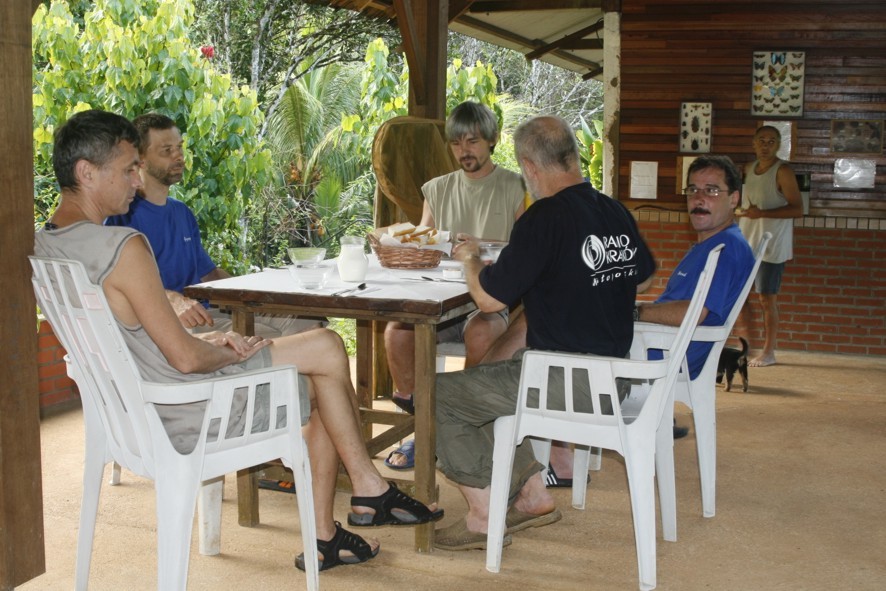
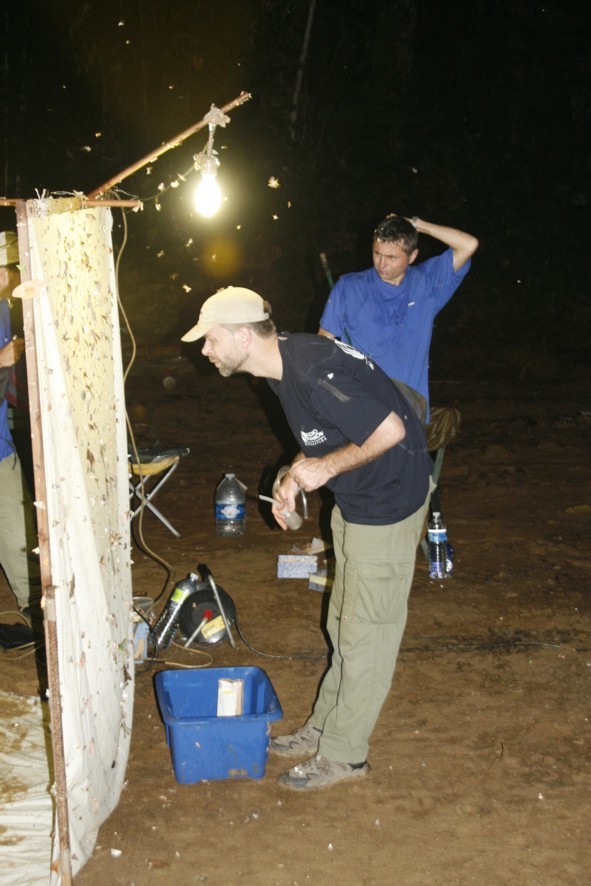
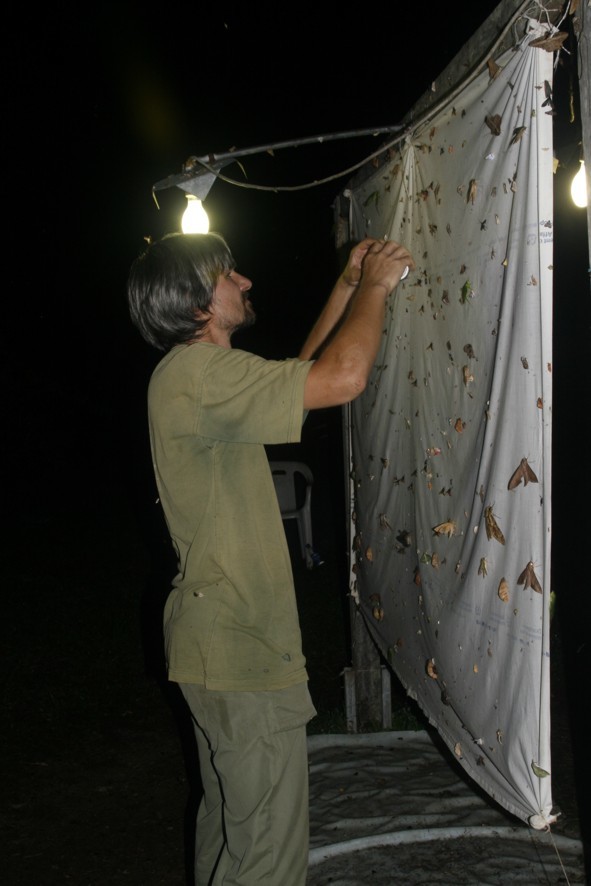
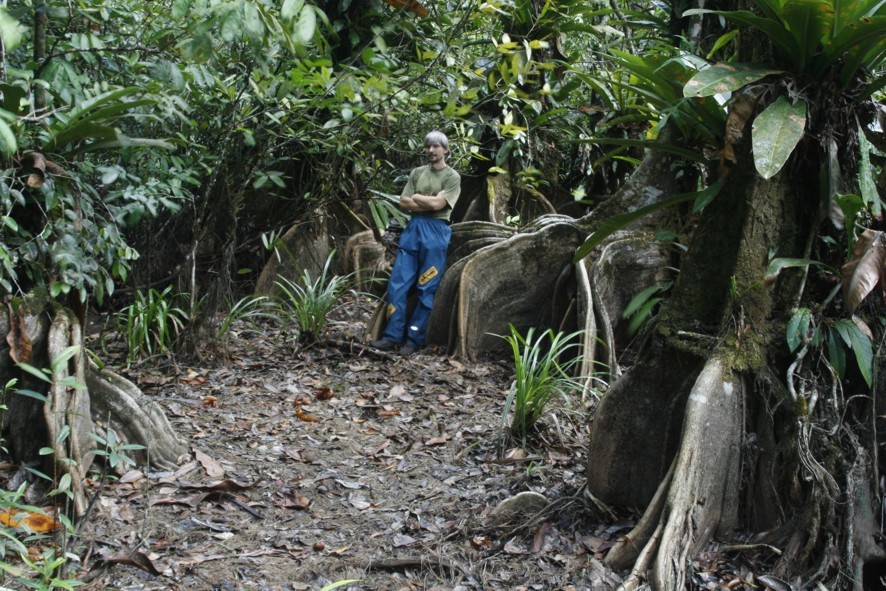
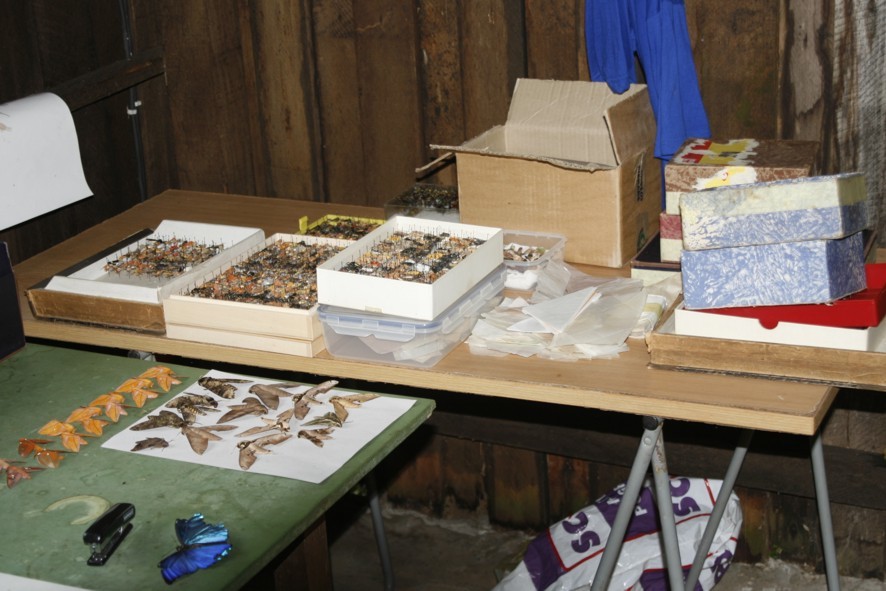
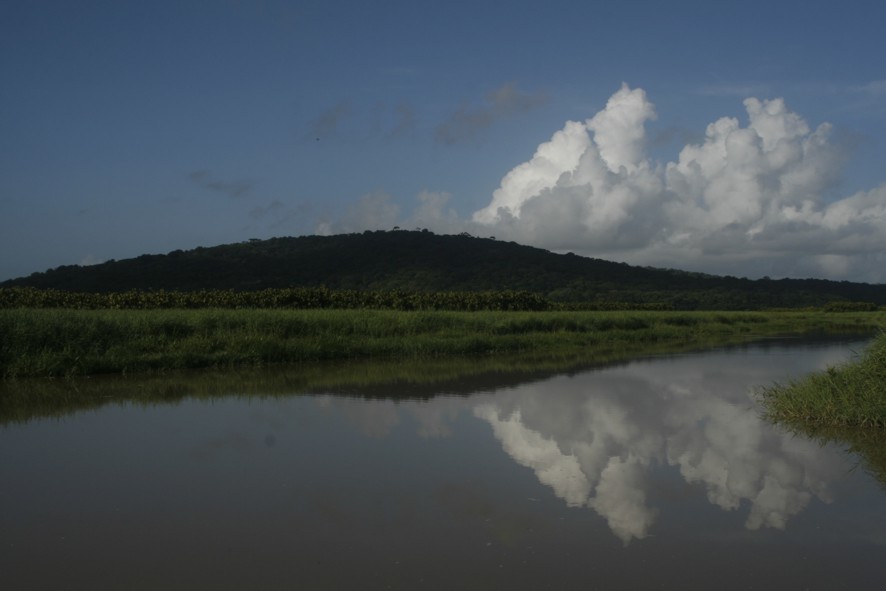
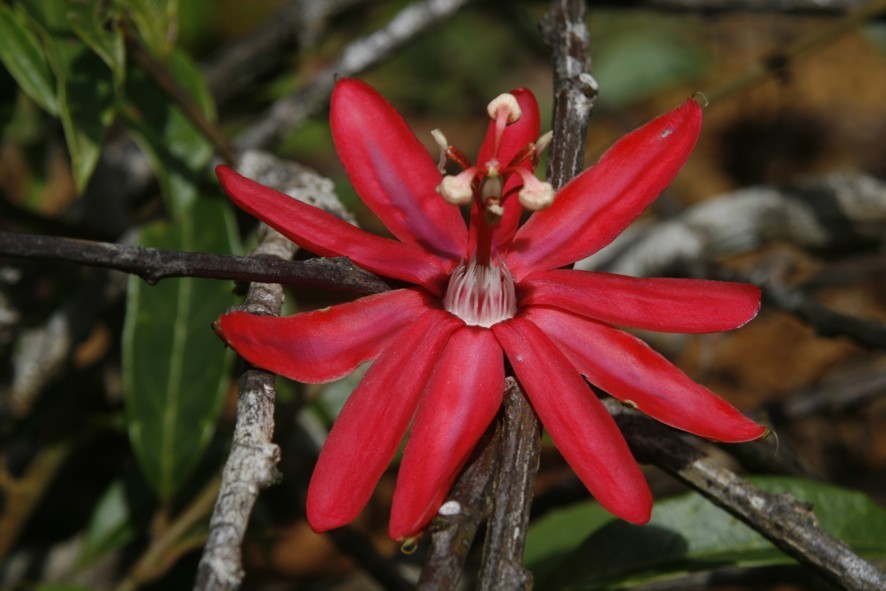
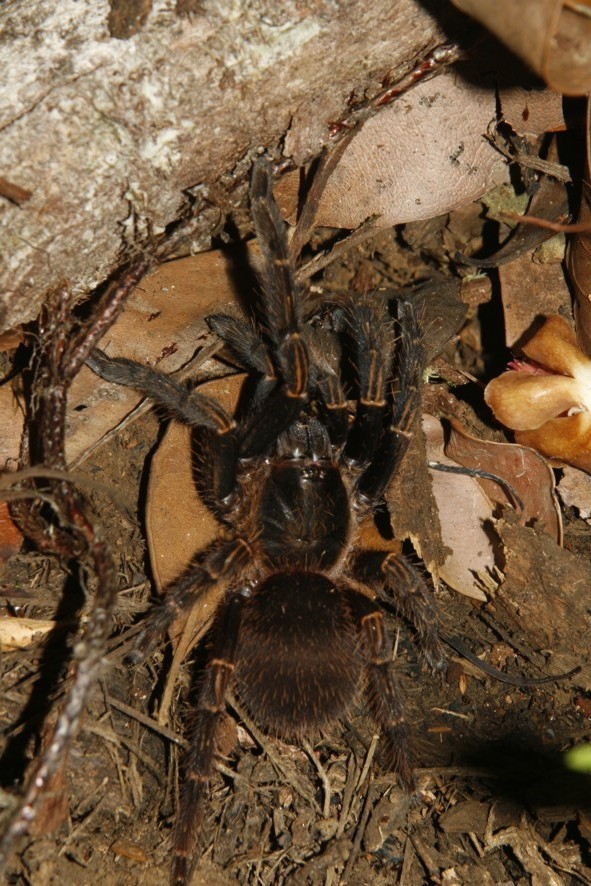
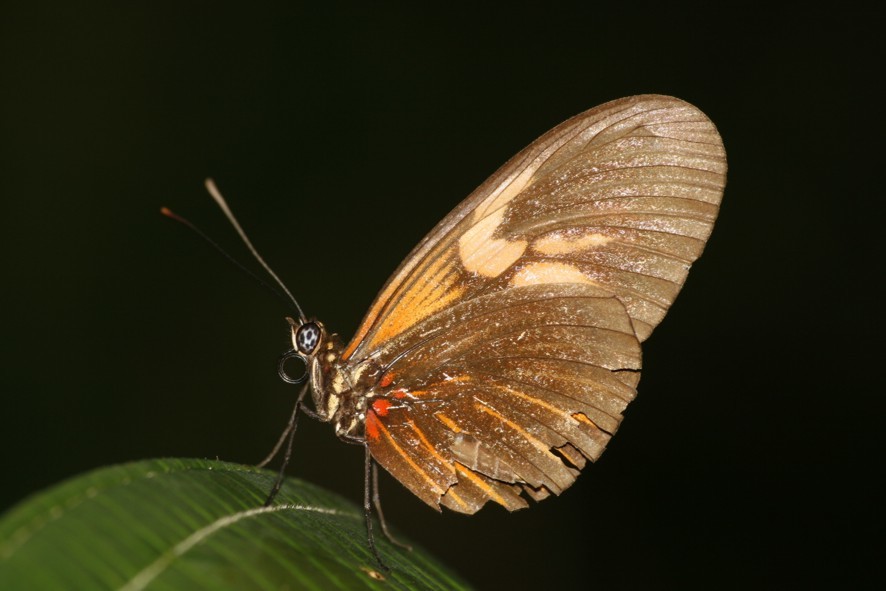
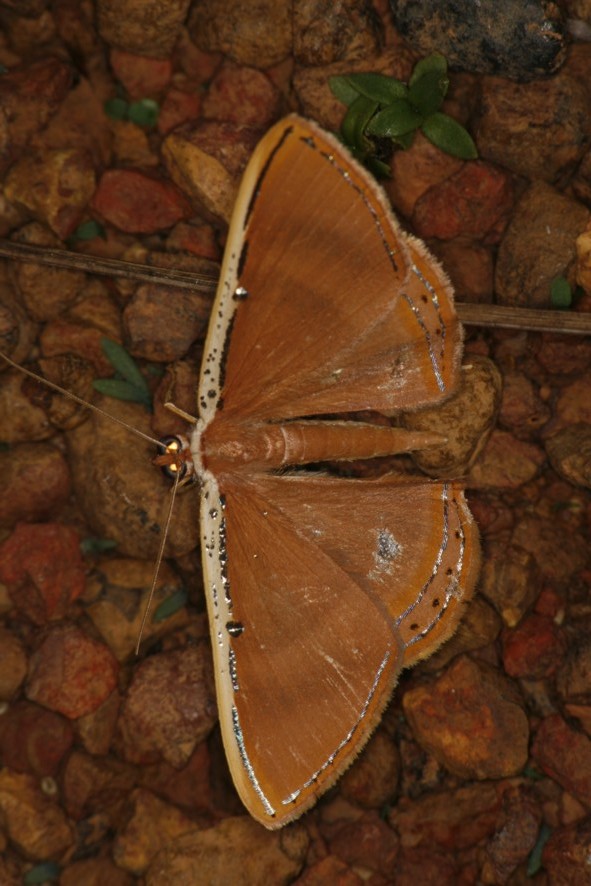
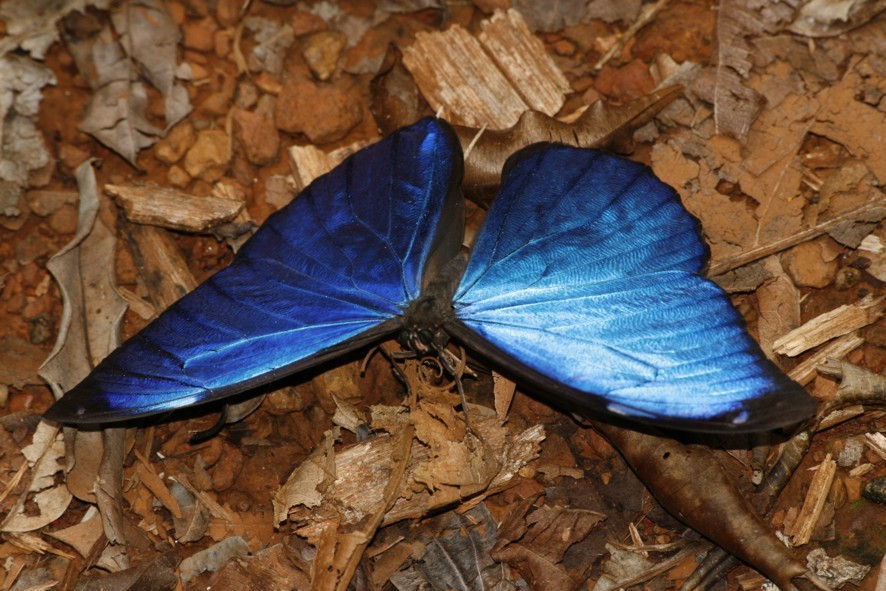
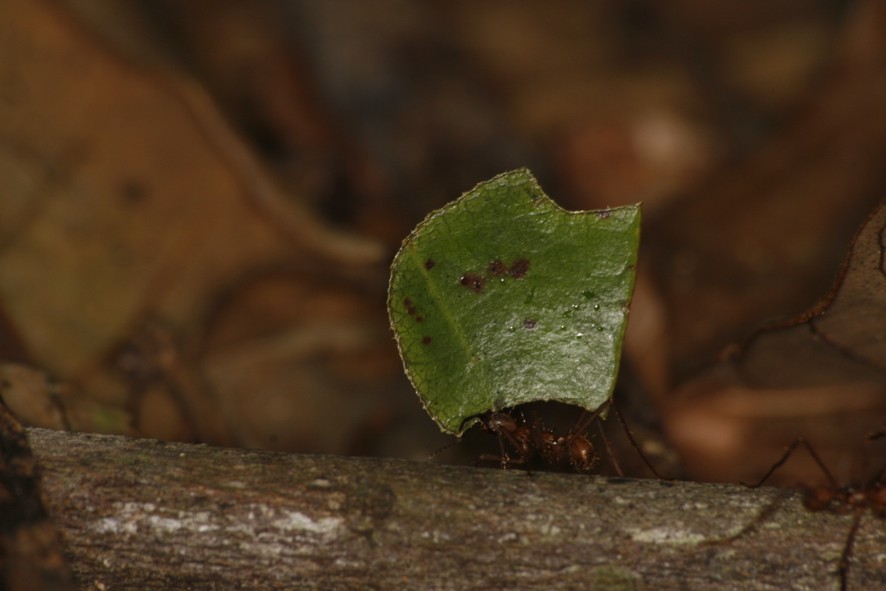
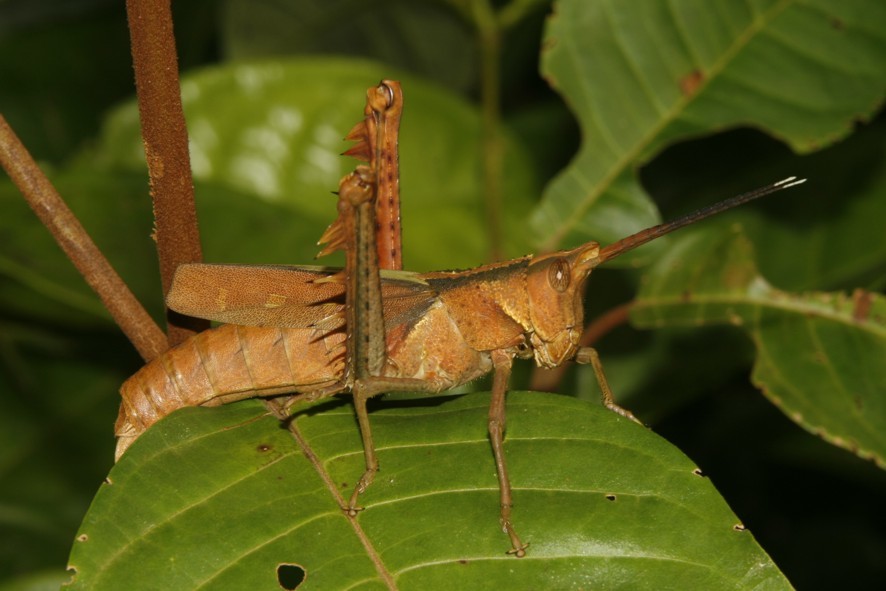
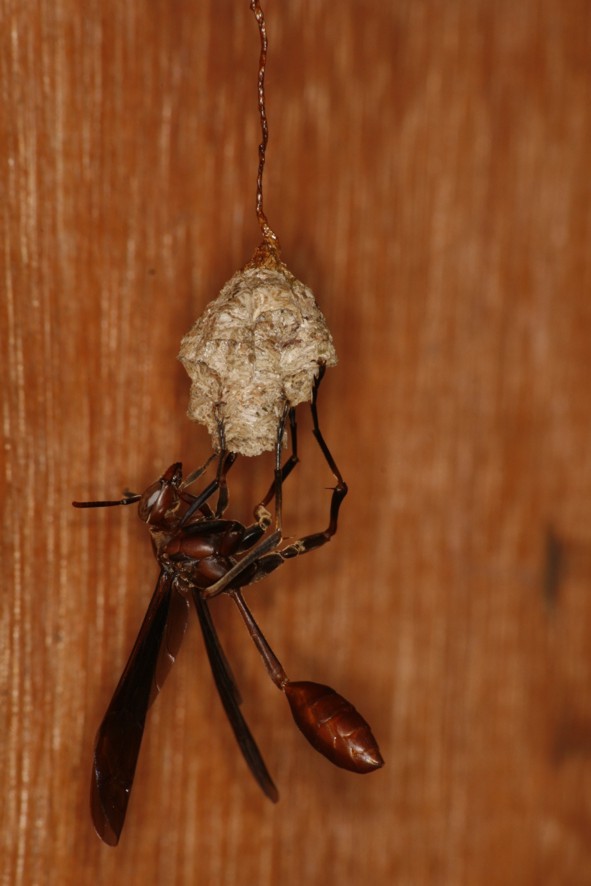
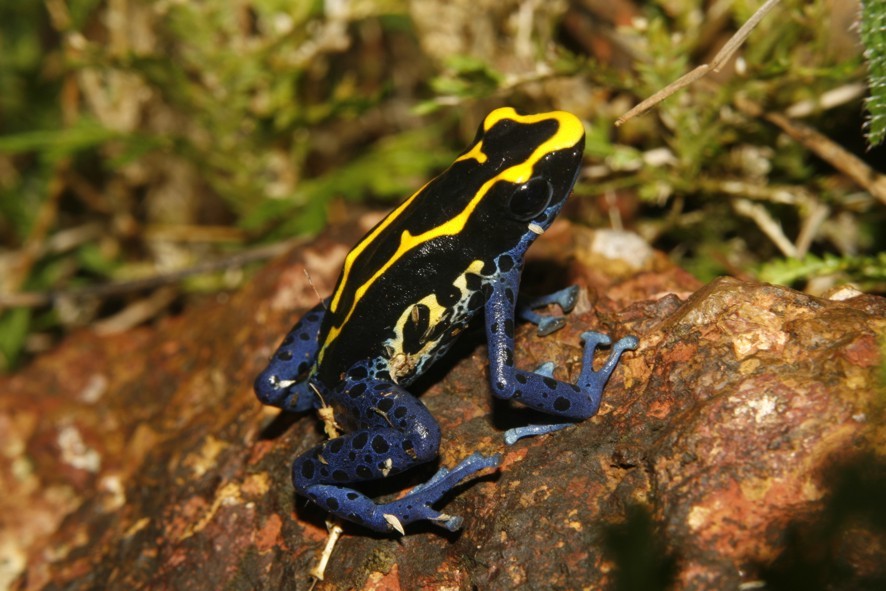
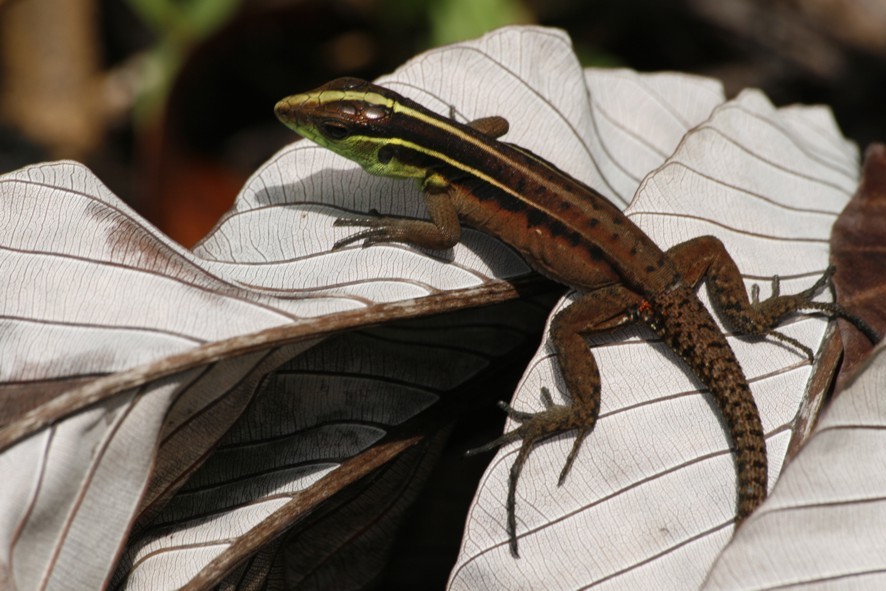
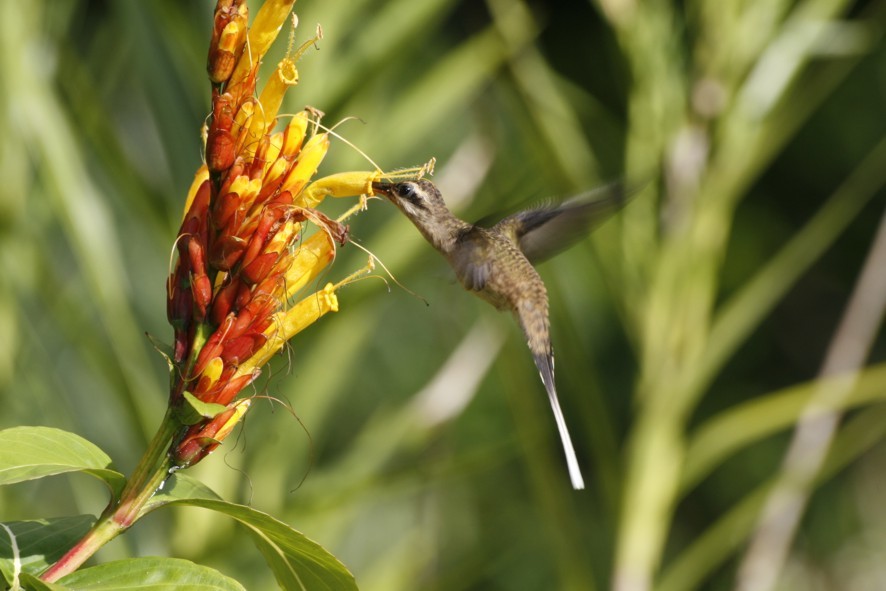
In November 2007, a scientific expedition to French Guiana, an overseas territory of France located on the northeastern coasts of South America, took place. It was attended by 5 people and the team of employees of the ISEZ PAS were created by Dr Grzegorz Paśnik, Dr Łukasz Przybydowicz and Marek Kopieć. The main purpose of the trip was to capture specimens of tropical fauna. During the expedition, the focus was on the harvesting of selected groups of insects inhabiting little explored areas of the lowland rain forest, so characteristic of the vast areas of South America.
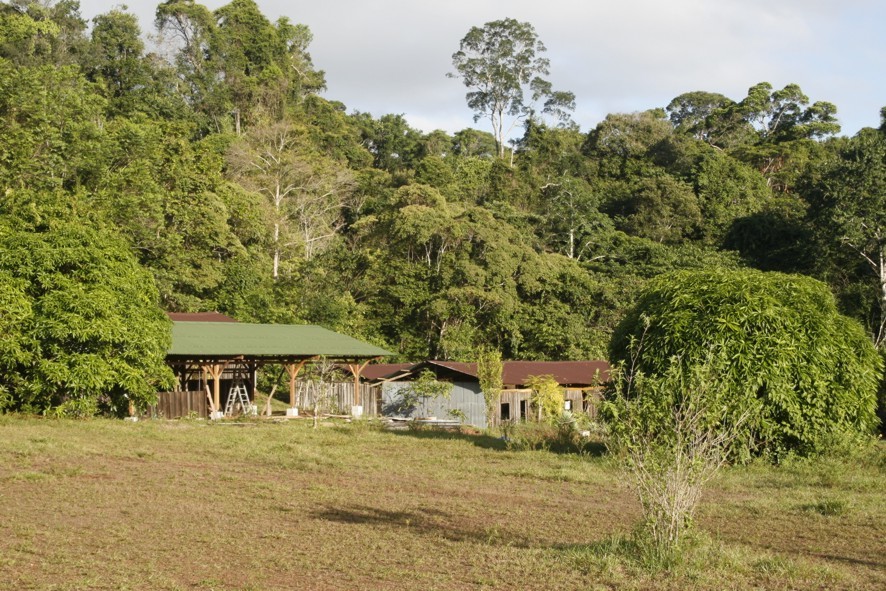
The field base of the expedition was the former military barracks now known as Camp Pattawa, located about 70 km east of the French Guiana capital Cayenne. During four weeks of field work, about 15,000 specimens belonging to various insect groups were harvested and secured: butterflies, beetles, diphtheria, flies, bugs, and straight-wing insects. During the harvest, different methods were used, the most effective being the ‘on-light’ method. Thanks to the possibility of renting a car and the loving help of the owners of the camp (Odette and Jean-Aimé Cerda), the area was explored within a dozen kilometres, sometimes going deep into the jungle. This brought together both species associated with the bottom of the forest and living in the water as well as found in open places not occupied by the jungle. After returning to Poland, the specimens were prepared and are extremely valuable material used for taxonomic, kariotypic, chromosomal and molecular research. Among the butterflies (Lepidoptera) are representatives of Arctiide, which have collected some 4000 specimens belonging to more than 200 species.
South Africa trip
In 2003 and 2004, two R & D trips to South Africa were organised, which had come to fruition thanks to previous research cooperation with the Transvaal Museum in Pretoria, in particular entomologists Barbara Dombrowski and Martin Krüger. Dr Grzegorz Paśnik and Dr Łukasz Przybydowicz participated in both trips. On the second trip, the team completed Marek Kopieć. The scientific objectives of both trips concerned both work in the museum collection and the acquisition of new specimens of fauna for ISEZ collections. The implementation of the second part allowed the permission to fish for materials has the territory of national parks and their export to Poland. The work in the collection focused on the preliminary combination of selected groups of butterflies in the family Arctiidae and beetles in the family Staphylinidae and the selection of specimens for detailed research in Poland.
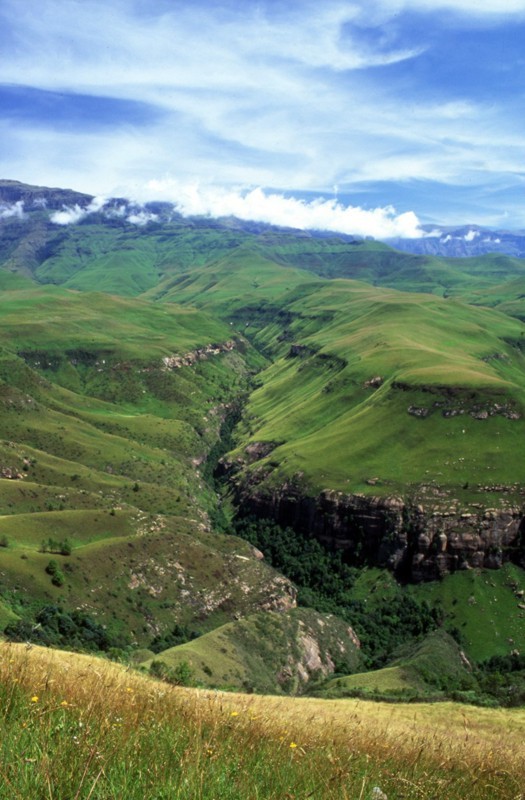
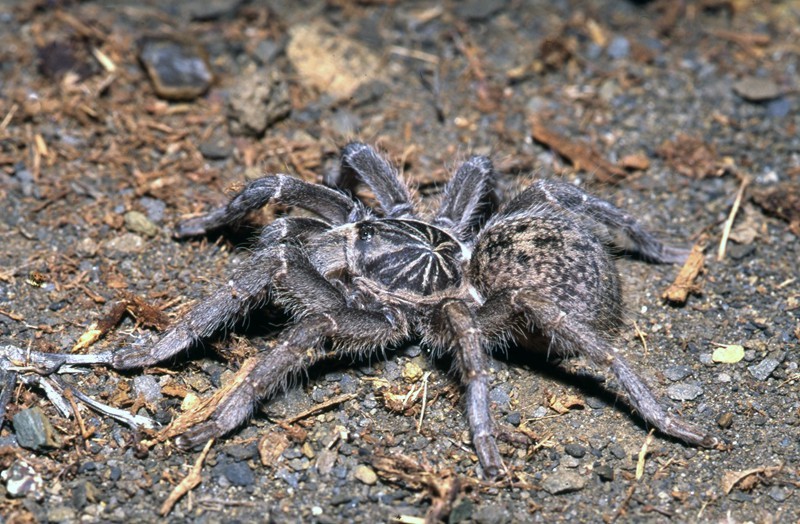
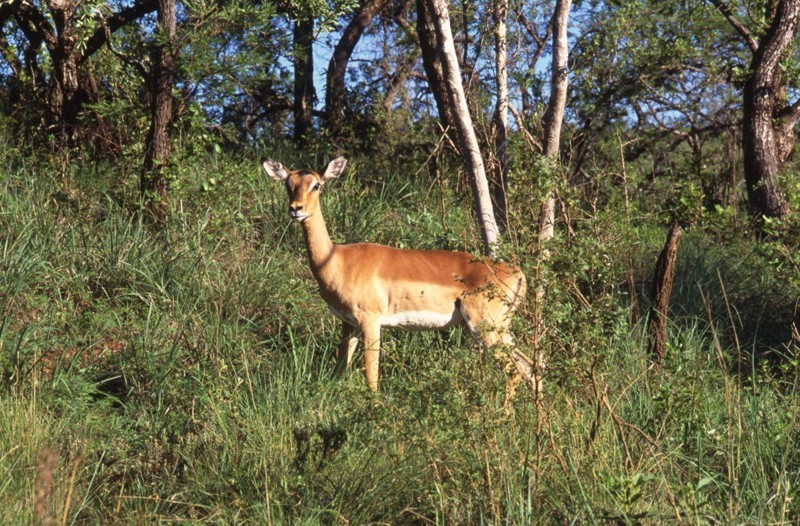
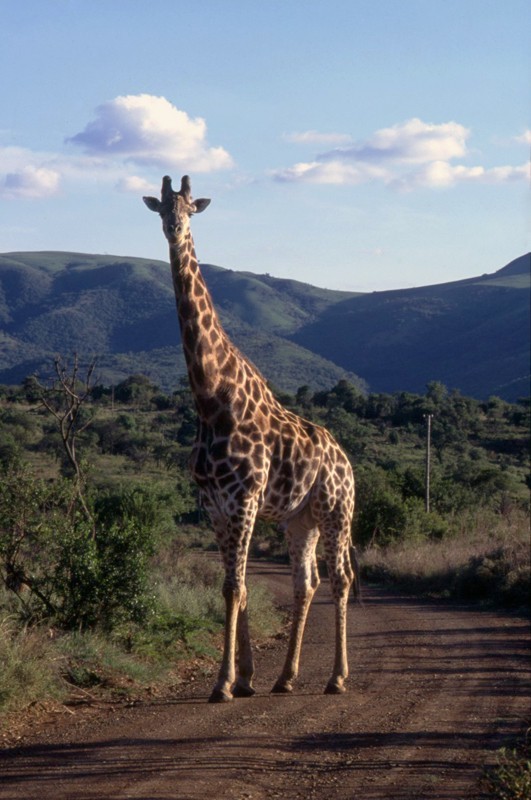
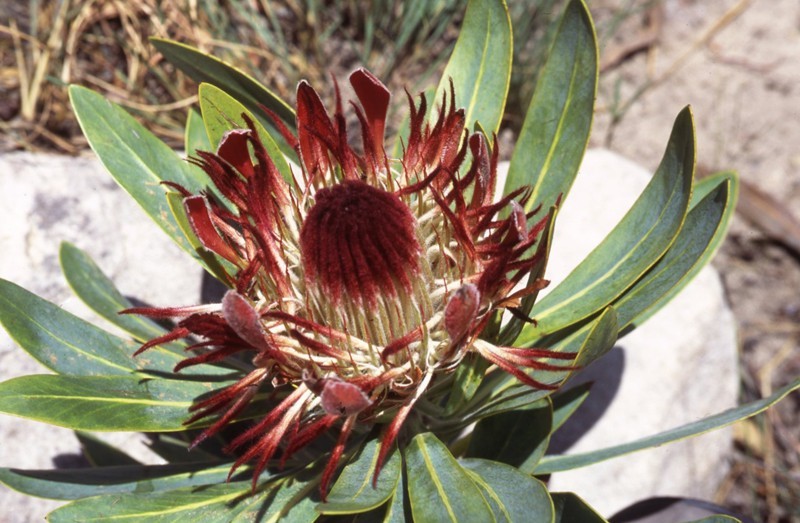
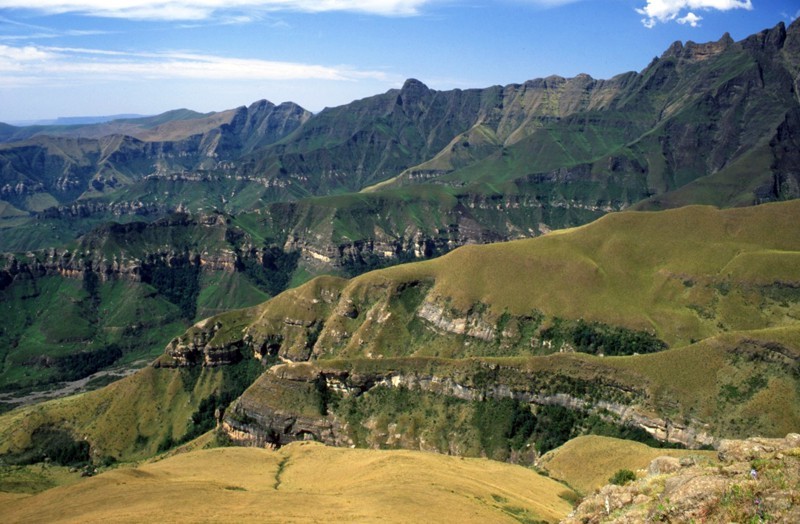
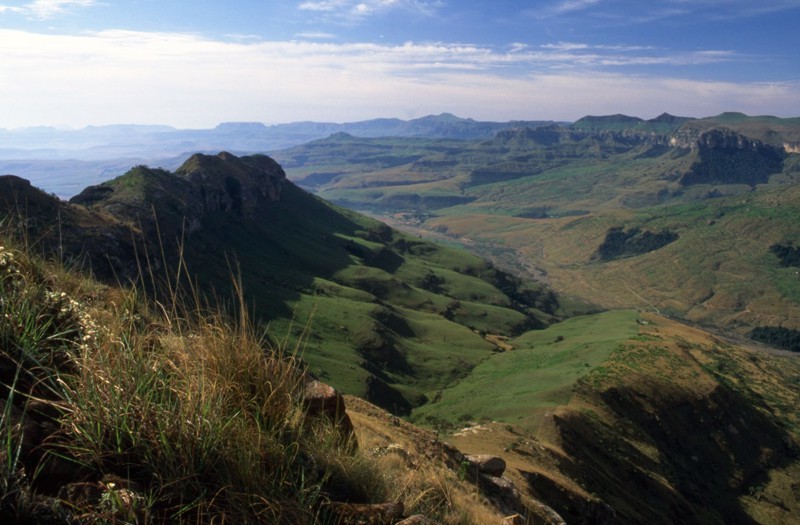
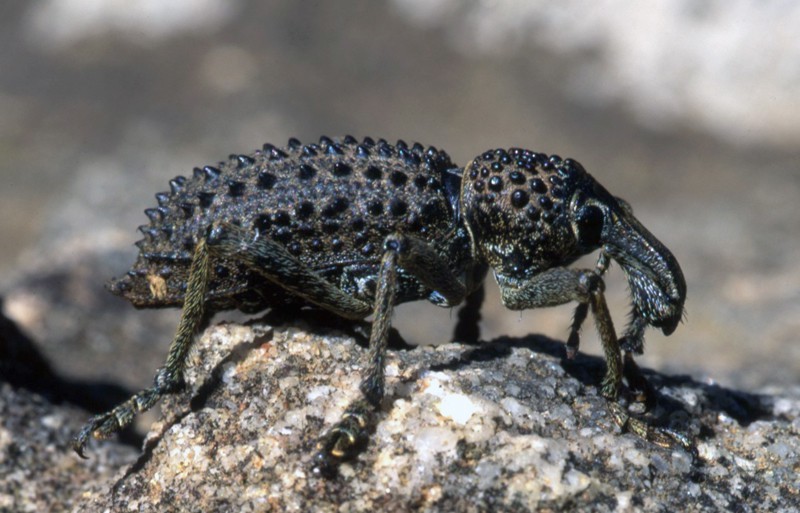
Several weeks of fishing was carried out in various parts of South Africa and diverse environments. The most interesting entomological sites included Royal Natal National Park including a fragment of the Dragon Mountains near the Lesoto border, Ithala Game Reserve and Tswaing Meteorite Crater. The result of intensive yields was an increase in the collection of the Institute by several thousand specimens of insects belonging mainly to butterflies from the families of the Arctiidae and the Purticidae and the Staphylinidae. Some species are limited to southern Africa, or are endemic to the Dragon Mountains. To a large extent, imported specimens belong to taxa rarely found in European museums. Taxonomic research of parts from imported specimens allowed to describe Professor Józef Razowski several new for the science of the species of scrolls (Tortricidae).