
Contact
ul. Św. Sebastiana 9,
31-049 Kraków
muzeum@isez.pan.krakow.pl
Phone
tel.: (12) 422 89 37
tel.: (12) 422 59 59
Opening hours
Mon: closed
Tue: 9:00 AM - 03:00 PM
Wed: 9:00 AM - 03:00 PM
Thu: 9:00 AM - 03:00 PM
Fri: 9:00 AM - 03:00 PM
Sat: closed
Sun: closed
Last entrence - 45 minutes before closing
Exceptional Dates and Changes to Opening Hours
Evolution Days: October 9 - 10,2026
November 11, 2026 - Closed
Ticket prices
Regulations for visiting the museum
- About the museum
- Woolly rhinoceros from Staruni
- Permanent exhibitions
- Temporary exhibitions
- Events
- Photo gallery
- Research at the Museum
- Educational offer
History of the Natural History Museum ISEA PAS
The Natural History Museum ISEA PAS has its origins in the Physiographic Commission of the Krakow Scientific Society, established in 1865. Initially, the collections were stored in a university building on Św. Anny Street, and in 1870, they were moved to the attic of the Krakow Scientific Society (since 1873, the Academy of Arts and Sciences) on Sławkowska Street. The museum displayed geological collections and specimens of flora and fauna.
The first exhibition, featuring K. Wodzicki's ornithological collections and geological and palaeontological collections, was opened to visitors in 1888. Between 1896 and 1914, the seat of the Academy of Arts and Sciences was gradually expanded, and in 1922, the natural history exhibition was reopened.
In 1930, the museum acquired a unique specimen of a woolly rhinoceros from Starunia in eastern Podkarpacie, dating back approximately 40,000 years. During World War II, the most valuable museum collections were evacuated to the basement and ground floor of the building. After the war, the museum exhibition was reopened in 1946. Geological collections were displayed on the ground floor, while the attic housed a new zoological exhibition entitled “Fauna of Poland and Tropical Areas” and a palaeontological exhibition entitled “Fauna of the Pleistocene in Poland”.
In 1953, the collections of the Natural History Museum were divided between three newly established institutions of the Polish Academy of Sciences. The zoological collections remained at Sławkowska Street.
The expansion of the research laboratories and library, along with the renovation of the building, had a negative impact on the museum exhibition, which was gradually reduced. The long-planned relocation of the museum exhibition outside the academy’s premises was not completed until 1992, with the purchase of the former “Roman Baths” building on Św. Sebastiana Street.
The inaugural show, "Sea Shells," premiered in January 1993 after the new space was first renovated, and more than a dozen temporary exhibitions followed. A historical exhibition was held in 1995 to commemorate the Museum's 130th anniversary, and the permanent exhibition "Pleistocene Fauna of Poland" was moved to a new location.
By 2025, the museum had organized more than 100 temporary exhibitions, nine of which were in partnership with museums abroad, including those in Germany, France, Switzerland, and the Ukraine. The museum routinely hosts events that promote science and culture, including Museum Night, Biologists' Night, Scientists' Night, and popular scientific talks. It has arranged more than 60 traveling exhibitions around Poland.
Today, the Natural History Museum ISEA PAS, as an organizational unit of the Institute of Animal Systematics and Evolution of the Polish Academy of Sciences, is tasked with conducting educational, outreach, and exhibition activities. It is responsible for presenting the Institute’s scientific achievements, disseminating knowledge about biodiversity and evolution, and fostering connections with the public through educational programs and cultural events.
Head of the Museum
Deputy Head of the Museum
Pracownicy naukowi
Pracownicy techniczni
Marek Banasiak
Karolina Burmer
Aneta Garbula
Nina Kowalik
Andrzej Palaczyk
Lidia Swat
Woolly rhinoceros from Starunia

The woolly rhinoceros (Coelodonta antiquitatis) is an extinct species of mammal that lived throughout Eurasia during the late Pleistocene, from the Pyrenees to Siberia. Alongside the woolly mammoth, it was the largest herbivore of the Ice Age. The woolly rhinoceros fed mainly on grass and lichens. An adult specimen reached a height of about 2 m and a length of over 5 m and weighed about 3.5 tonnes. Its thick coat and long, coarse hair provided excellent protection against heat loss during the harsh winters of the ice age. Its head, which narrowed towards the front, was equipped with two powerful horns.
The exceptionally well-preserved body of the woolly rhinoceros, complete with internal organs and soft tissues, makes the specimen stored at the Natural History Museum ISEA PAS on Św. Sebastiana 9 Street is one of the most valuable natural specimens in the world. The rhino's body was preserved thanks to the preservative properties of brine and earth wax (ozokerite) deposits found at the site of the discovery. In addition to the stuffed rhinoceros specimen, the museum also houses an original rhinoceros skeleton, mounted for display, made under the supervision of Jan Stach in 1948 and a plaster cast depicting the rhinoceros in the position in which it was found in Starunia.
Since the mid-18th century, only a few, usually small, fragments of woolly rhinoceros bodies have been discovered. So far, this is the only specimen in the world on display with preserved soft tissues,, including skin, is the one from Starunia. It was discovered on October 23, 1929, in a village now located in Ukraine, about 100 km southeast of Lviv. The specimen found is a young female that died approximately 40,000 years ago. The reconstruction of the rhinoceros’s appearance was carried out according to Prof. Jan Stach’s concept in 1929, using authentic skin removed from the found specimen. Unfortunately, the hooves and horns have not survived to the present day, and the hair has survived only on small fragments of skin.
The remains of plants, insects, and small vertebrates found alongside the Starunia woolly rhinoceros have significantly contributed to expanding our knowledge of the Pleistocene environment and climate of the Podkarpacie region.
The silhouette of the rhinoceros, associated with ISEZ PAN, quickly became its hallmark; the most valuable specimen in the Institute’s collection is appreciated by visitors from around the world, not only from scientific circles. In 2019, the ISEZ PAN Natural History Museum had the honor of hosting a Japanese royal couple—His Imperial Highness Prince Akishino and his wife, Her Imperial Highness Princess Kiko. At their special request, the distinguished guests viewed the exhibit featuring the woolly rhinoceros from Starunia.


Pleistocene megafauna

A permanent exhibition presenting fossil remains of extinct animals belonging to the so-called Pleistocene megafauna. The exhibition features the world's only fully preserved specimen of the woolly rhinoceros (Coelodonta antiquitatis), dating back approximately 40,000 years, complete with skin and soft tissues. Also on display are the fossilised remains of the woolly mammoth (Mammuthus primigenius) and the cave bear (Ursus spelaeus).
Molluscs of the World

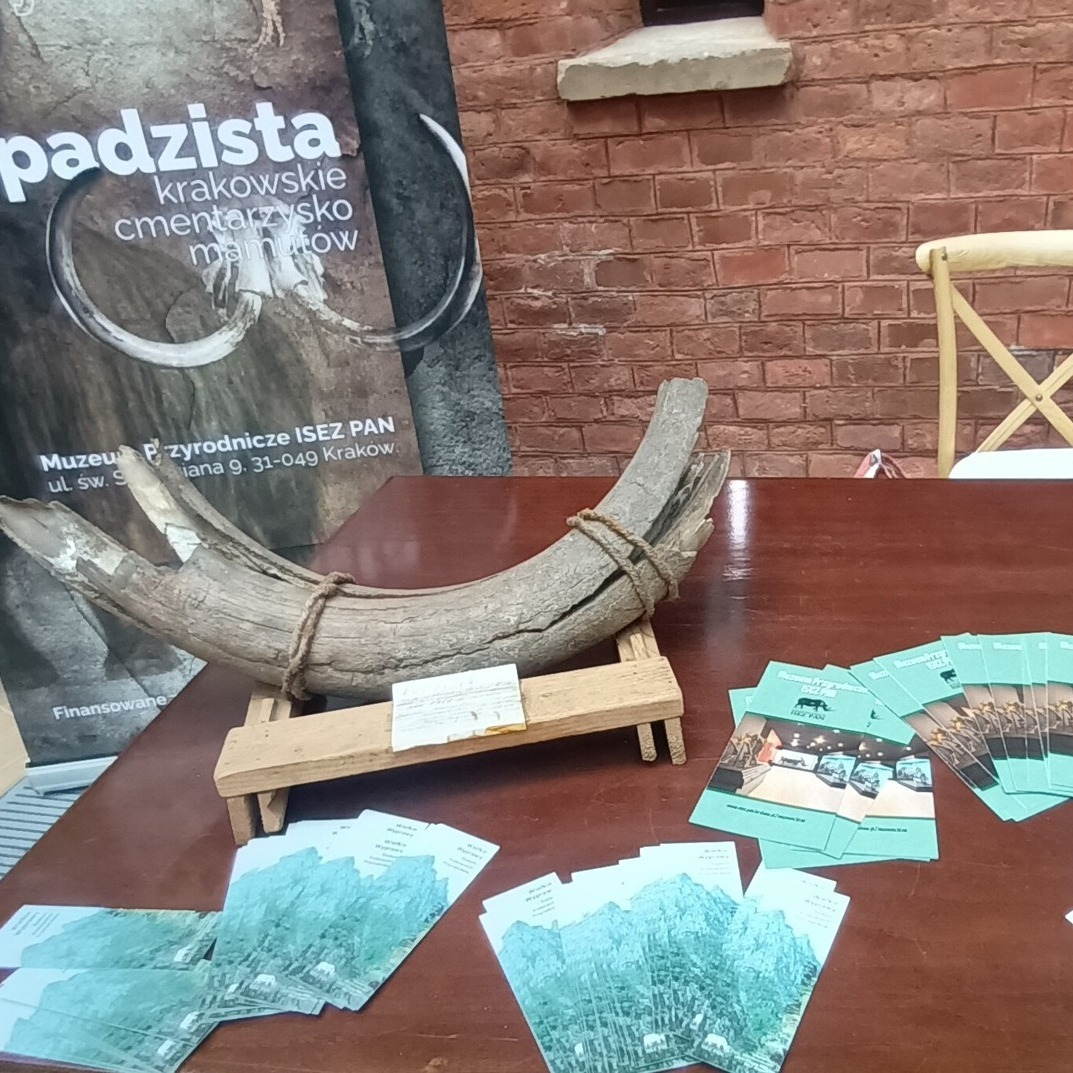
Spadzista – Krakow's mammoth graveyard

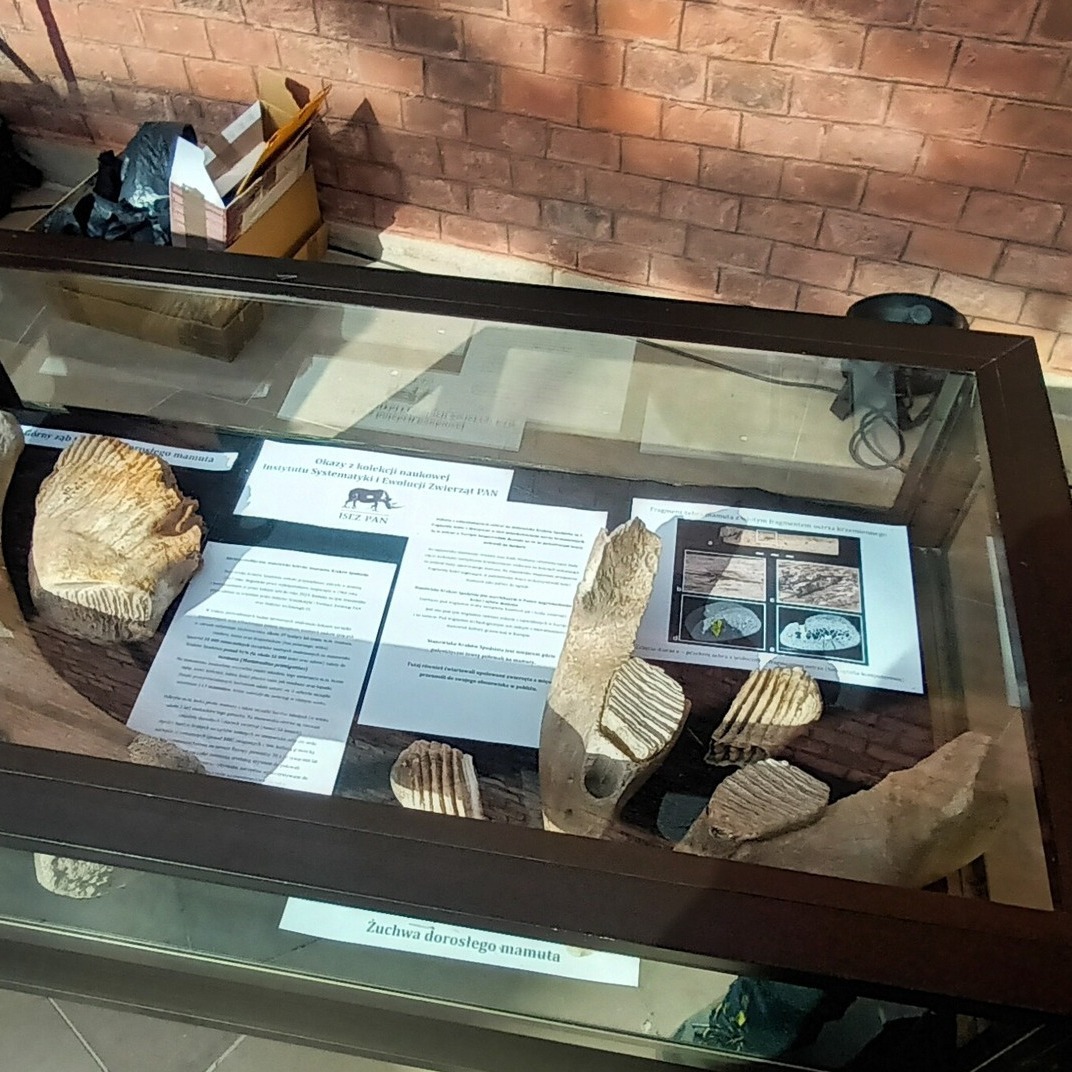
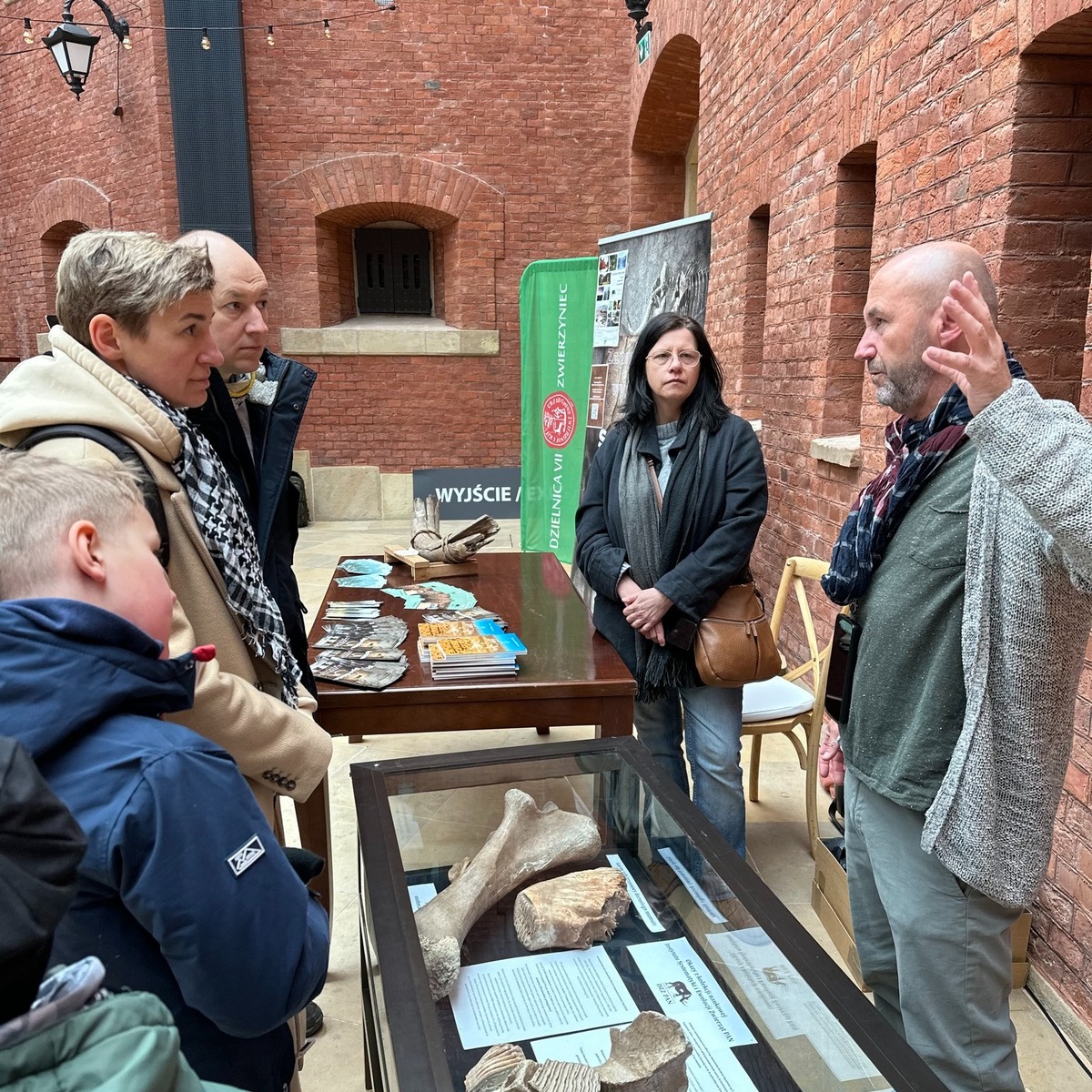
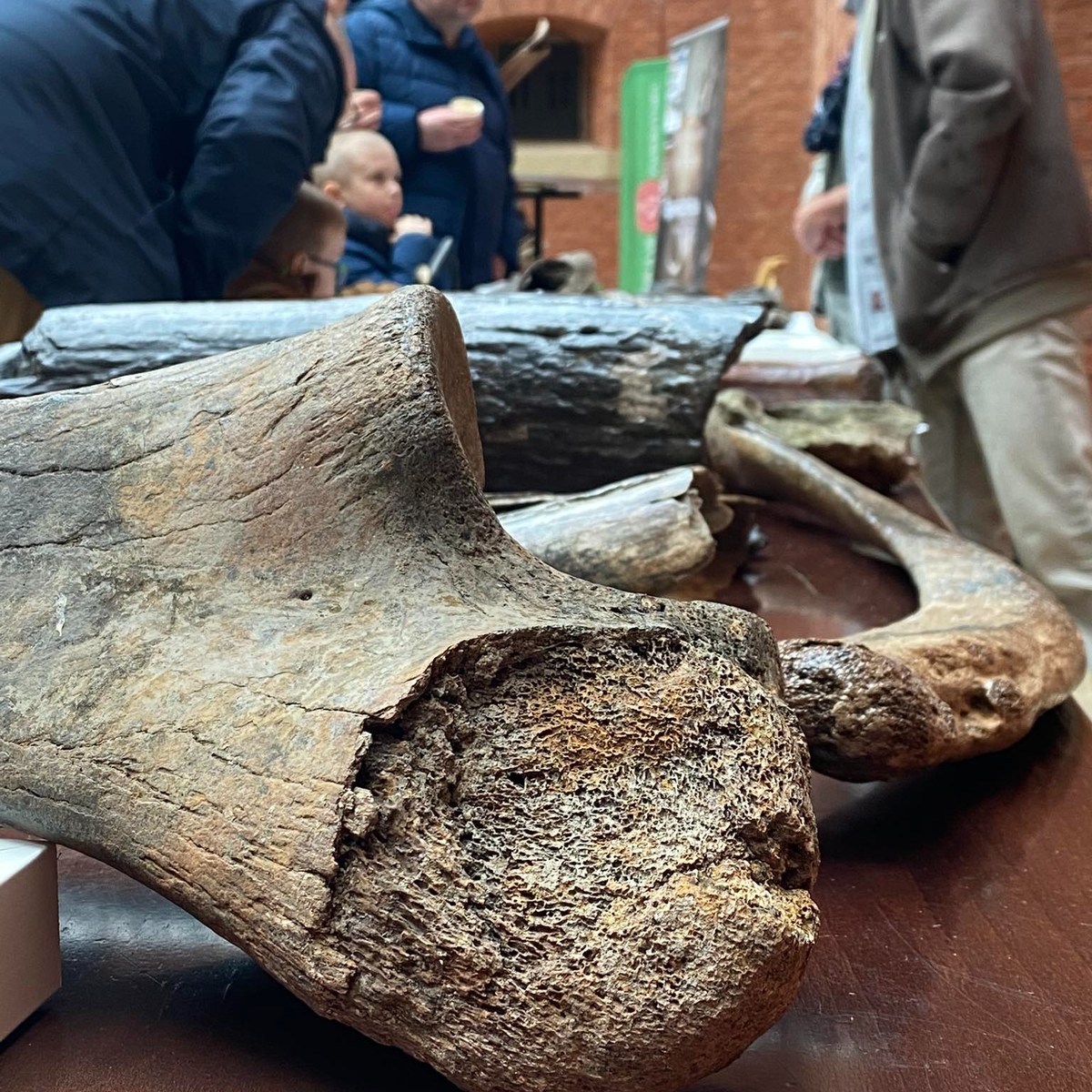
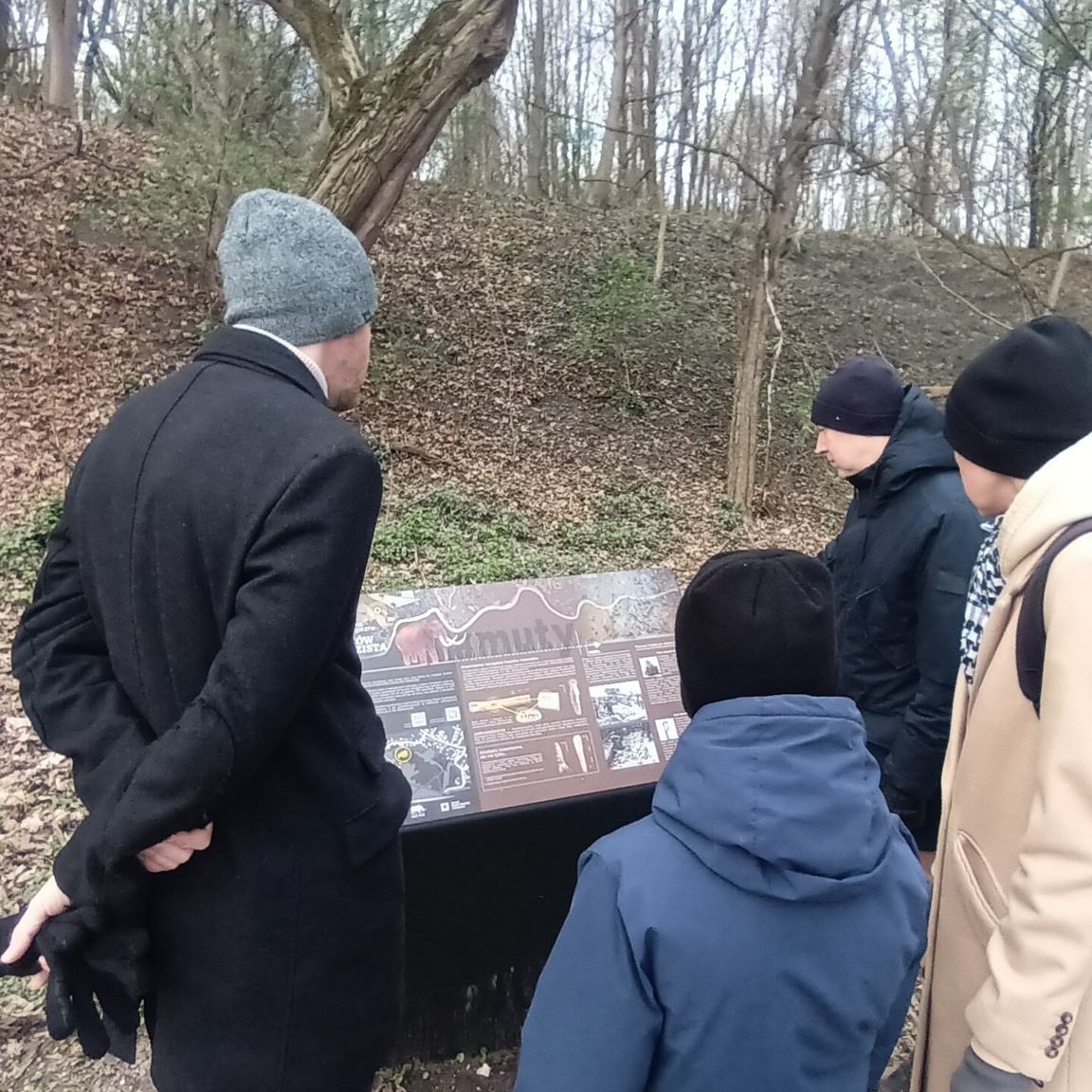
The Kraków Spadzista site is located at the foot of the Kościuszko Mound on the grounds of a 19th-century Austrian earth fort. It was discovered by accident in the fall of 1967. Regular excavations conducted by the ISEA PAS together with the Institute of Archaeology of the Jagiellonian University in Kraków began in 1968 and continued intermittently until 2023. During the research, one of the largest accumulations of mammoth bones and teeth in Europe was uncovered (both in terms of the number of bone remains and the number of individuals described). During the excavations at this site, the remains of a wolf, an arctic fox, a brown bear, a horse, and a reindeer were also discovered. Formed about 27,000 years ago, the site is one of the most important sites of the Gravettian culture in Europe for archaeologists. In addition to numerous mammoth remains, several tens of thousands of flint artefacts, such as throwing weapon blades and tools for processing mammoth skins, meat, and bones, were discovered at this site.
The exhibition also features a mammoth rib with a fragment of a flint blade embedded in it. This find is unique in Europe and is one of only a few known worldwide. It provides direct evidence that Paleolithic hunters hunted these animals.
Wystawa finansowana ze środków Ministerstwa Edukacji i Nauki Wystawa finansowana ze środków Ministerstwa Edukacji i Nauki
Talking to a stone

An original exhibition of minerals and fossils donated to the museum by Professor Zbylut Grzywacz. The exhibition presents colourful varieties of quartz, agates, geodes, gypsum ("desert roses"), and various types of salt. In addition to minerals, visitors can also admire fossils—imprints of animals and plants in stone, some of which are hundreds of millions of years old. The exhibition is dedicated to the poetry of Wisława Szymborska.
Beetles

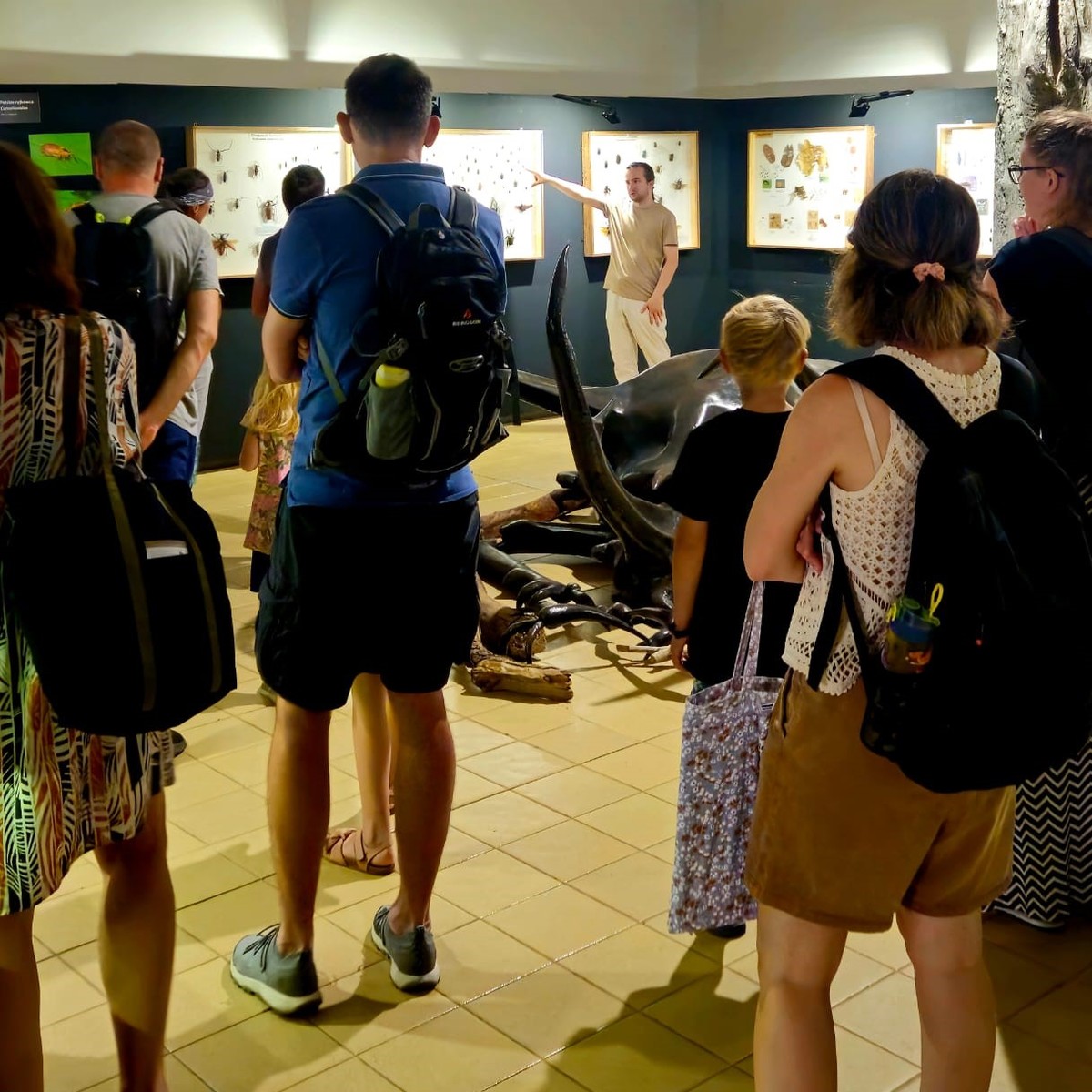
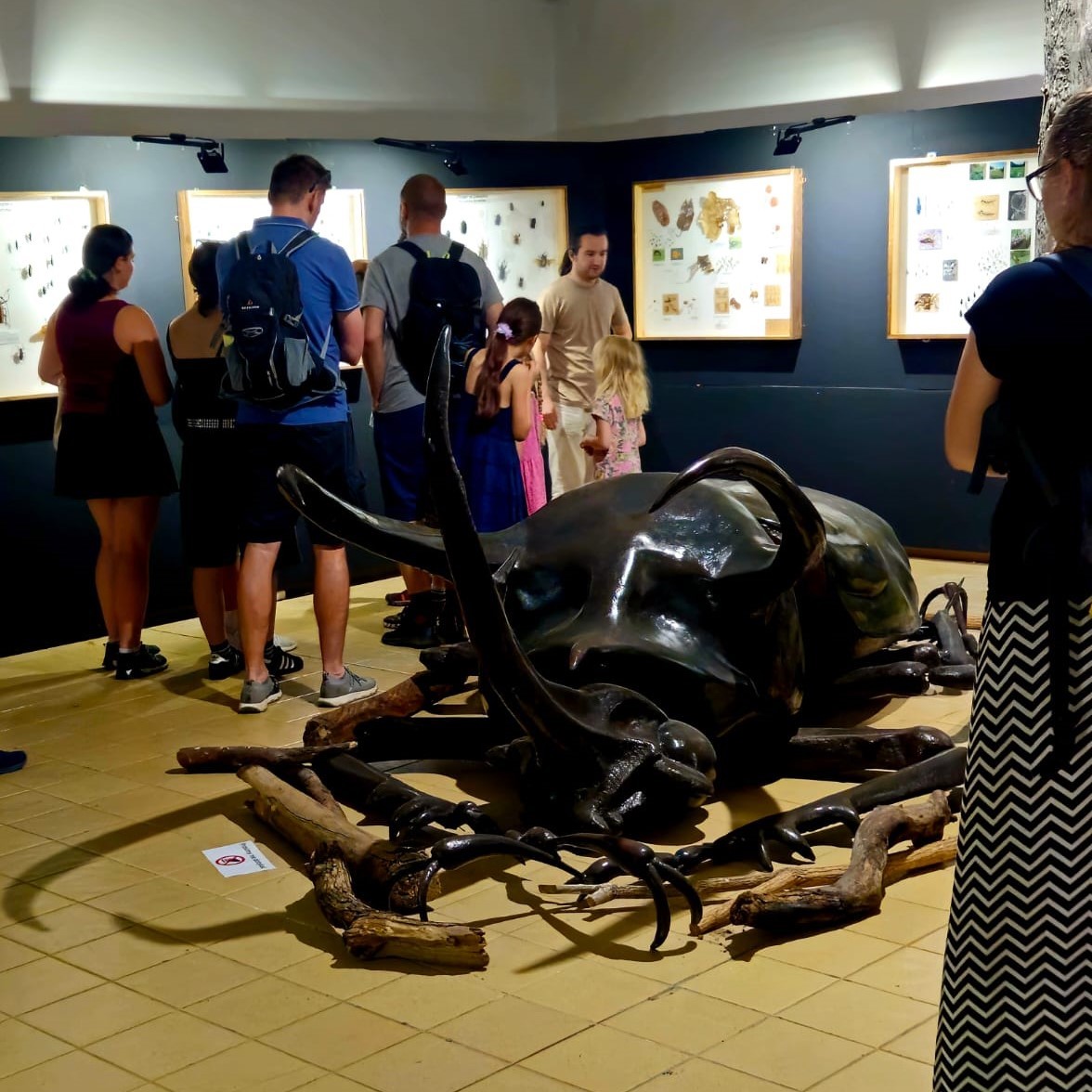
An exhibition devoted to beetles, the most numerous group of animals on earth, which play an important role in the functioning of biocenoses, the human economy, and culture. During the tour, you can see a wealth of species from around the world, from small beetles to the largest goliaths. An additional attraction is a huge model of a stag beetle.
Biodiversity of insects

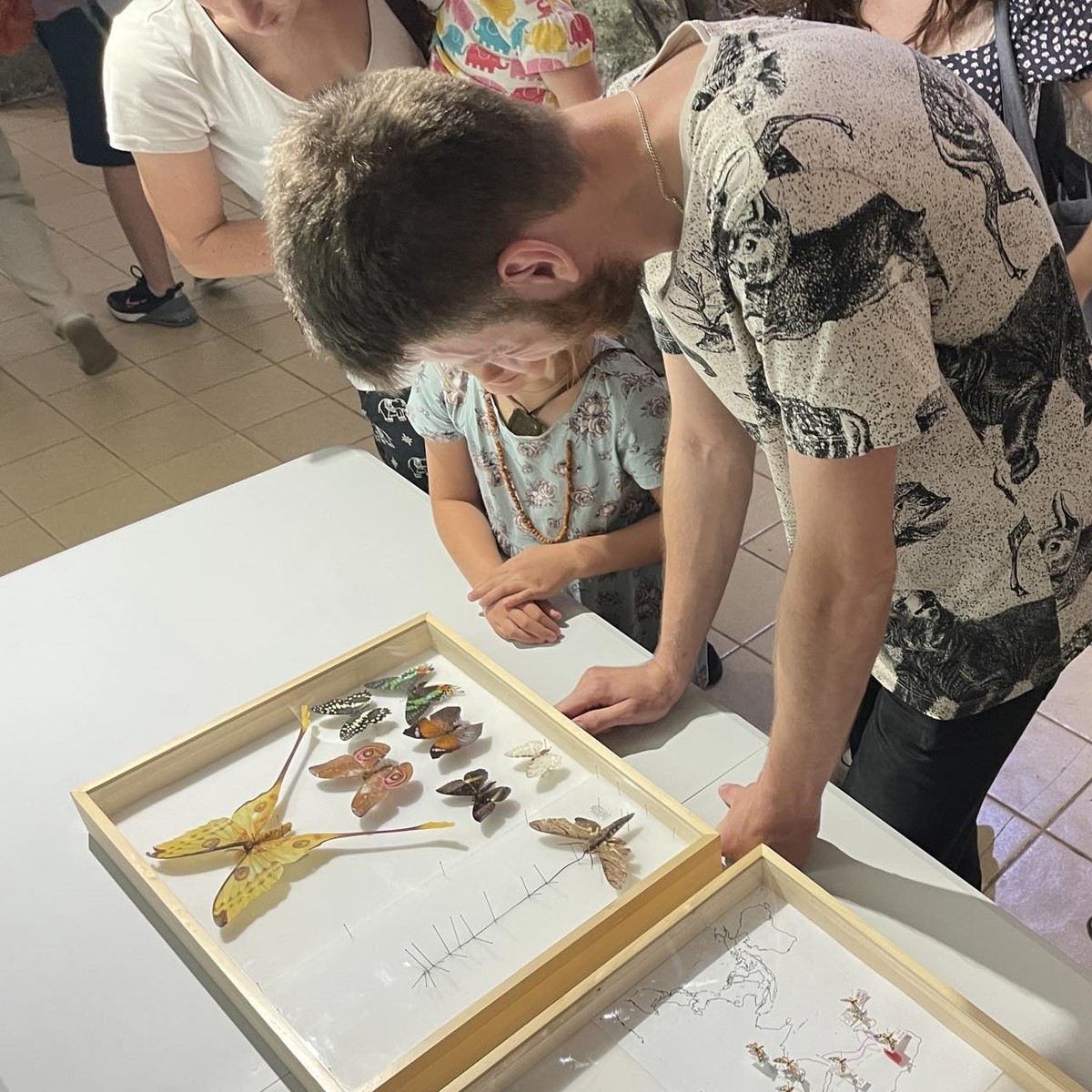
The exhibition presents not only the morphological diversity of insects, but also their life strategies. Large display cases contain specimens belonging to most modern insect orders, arranged systematically. Here we find dragonflies, mayflies, and orthoptera alongside hymenoptera and butterflies, as well as stick insects, bugs, and flies. They come from different regions of the world. A separate display case is dedicated to insects from the Krakow area. In the further part of the exhibition, you can learn about the different life strategies of insects in terms of their feeding habits. The exhibition teaches us that phytophagous insects are vegetarians, while parasitoids and parasites live at the expense of others. We can learn about insects living in societies and see plant damage and galls – plant products caused by insects. A separate display case contains a presentation of current research on insects carried out at ISEA PAS.
Forest fauna of Europe

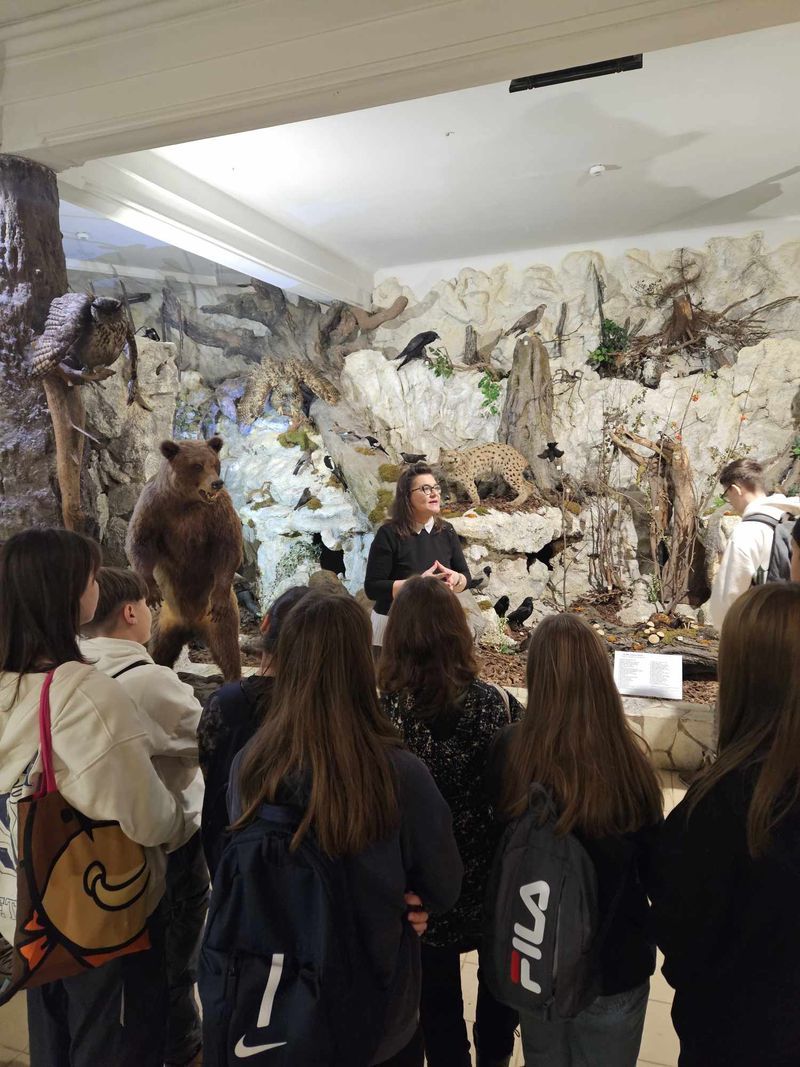
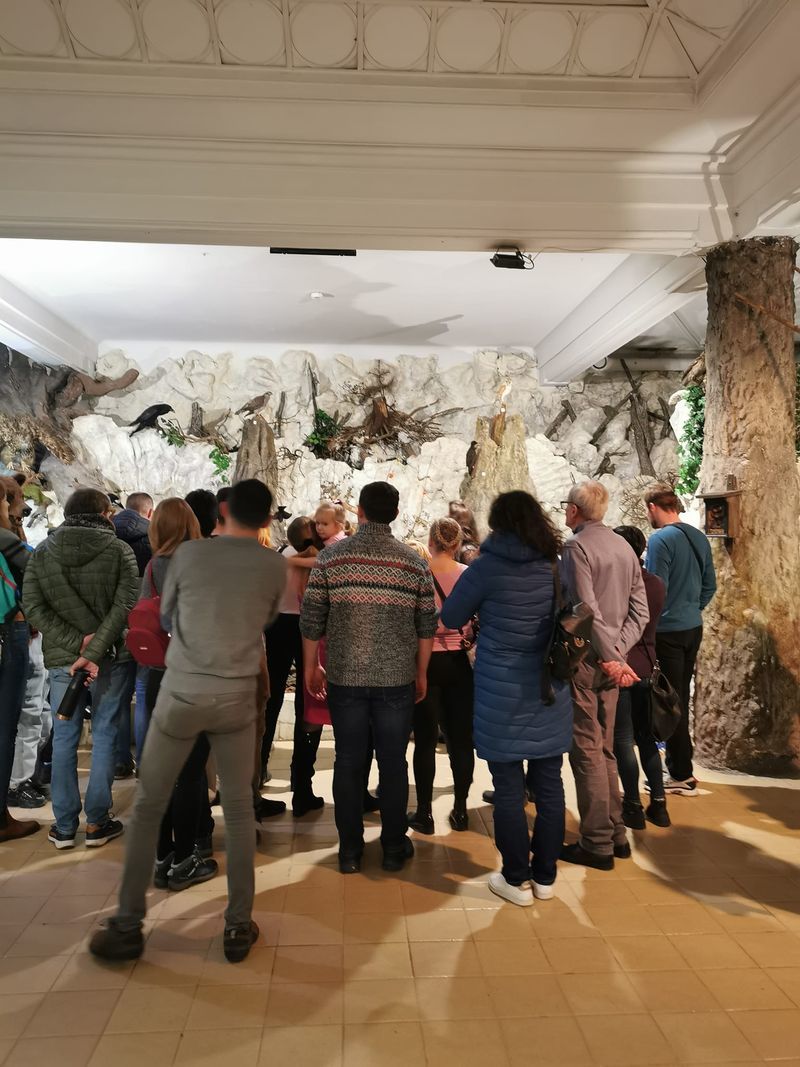
The aim of the exhibition is to present the species diversity of European fauna. The exhibition primarily targets the youngest visitors and is educational in nature. It features many rare and protected animal species, such as the eagle owl (Bubo bubo), the Eurasian lynx (Lynx lynx), the wolf (Canis lupus), and the brown bear (Ursus arctos), as well as common species such as the roe deer (Capreolus capreolus) and the wild boar (Sus scrofa).
Cave fauna

The exhibition is devoted to organisms inhabiting underground sites in Poland and around the world. The cave-blind cavefish, (Astyanax mexicanus), exhibits adaptations to life in darkness, such as a lack of pigment and the disappearance of eyes. The exhibition also features amblypygid (Euphrynichus bacillifer), an arachnid familiar from the Harry Potter stories, alongside fish. The exhibition is enhanced by a video that illustrates the activity of animals in the deep dark zone of the cave.
Crabs

An exhibition devoted to decapods (Decapoda), one of the most diverse orders of crustaceans. Crabs (Brachyura) are the most numerous species presented at the exhibition. Most of them are marine animals inhabiting warm ocean waters. The Japanese spider crab (Macrocheira kaempferi), is the largest crab in the world, and a model of it can be seen here. Its size impresses among smaller crustaceans. The invasive red king crab (Paralithodes camtschaticus), on the other hand, inhabits the cold waters of the Barents Sea. Among the terrestrial decapods, you can see hermit crabs and the coconut crab, (Birgus latro), whose diet consists of coconuts. The exhibition is diversified by a display of corals, which build the richest ecosystems in the world after equatorial forests.
Czatkowice – Jurassic invertebrates

The exhibition presents fossils of Jurassic invertebrates found in the Czatkowice Limestone Mine. This open-pit mining facility, which has been explored since before the war, is a site where finds are collected that are key to the systematic study of these fossil organisms. They enable the reconstruction of the marine world from millions of years ago. Since 2021, the ISEA PAS Natural History Museum has been the only scientific institution with the opportunity to obtain specimens from this site. Ammonites dominate here, but there is no shortage of snails and clams. Single shark teeth and the claws of the oldest known Jurassic crabs have also been found. The exhibition is complemented by an educational film showing the work in the “Czatkowice” mine.
Fluorescent minerals

British scientist George Gabriel Stokes discovered mineral fluorescence, one of nature's most spectacular phenomena, at the "Fluorescent Minerals" exhibition. In the world of minerals, there is a group of stones that glow with their light when exposed to ultraviolet radiation. These include fluorite, dolomite, halite, and opal.
High-Mountain Fauna

The exhibition presents the fauna of the Himalayas and the Tatra Mountains found above the dwarf mountain pine zone. The dioramas depict animals in their natural habitats. Among the specimens on display are protected species such as the snow leopard (Panthera uncia), the Tatra marmot (Marmota marmota latirostris), and the Tatra chamois (Rupicapra rupicapra tatrica), which in the past were threatened with extinction due to exploitative human activity.
Out of Africa – Hominisation

An exhibition that reveals the mystery of human development and encourages reflection on the direction of our further evolutionary path. During the long process of development, humans solved adaptation problems, effectively distancing themselves in appearance and behaviour from other primates. We do not know exactly how the descent from the trees and adaptation to life on the ground took place. There are many theories on this subject, but it is certain that it was a gradual, slow biological evolution – anthropogenesis.
The reptile world

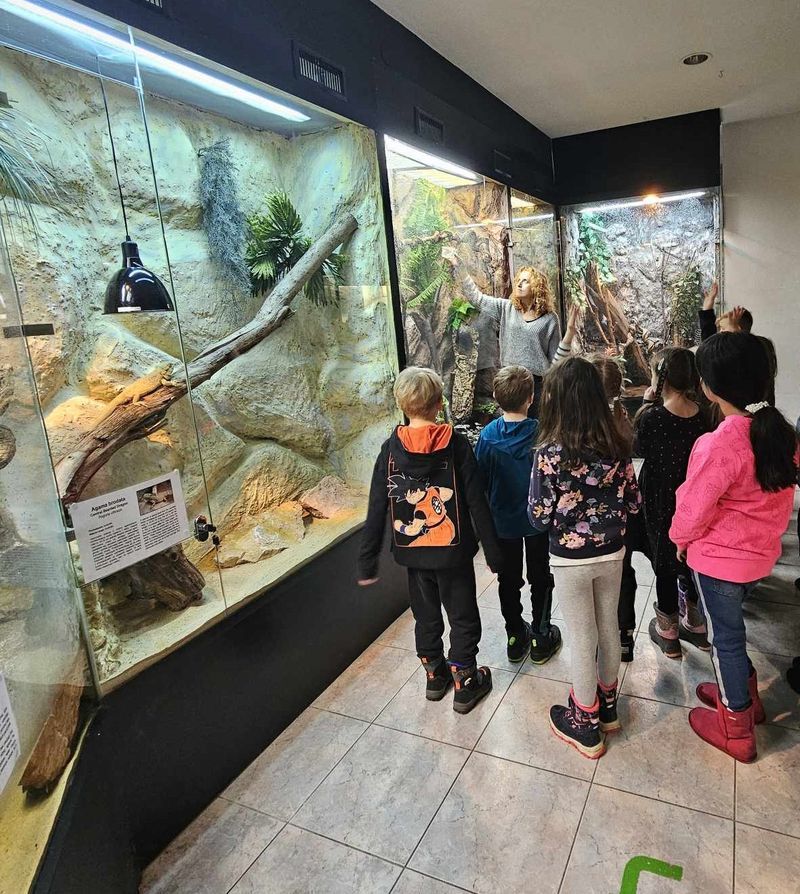
“The reptile world” combines fossilised and living animals. Several exhibition modules, divided into areas of occurrence, present this interesting group of animals in a setting that perfectly reflects their natural environment. You can see record-breaking reptiles – the green anaconda (Eunectes murinus) (taxidermy mount), considered the thickest snake in the world, and the reticulated python (Python reticulatus) (taxidermy mount) – the longest snake in the world. Among the fossil reptiles, particularly noteworthy is the extremely valuable specimen of a 1.5-metre-long skull of a Cretaceous crocodile of the genus Steneosaurus. The exhibition is complemented by an educational section, where visitors can learn about the structure of reptile skin, what a snake's shed skin looks like, the shell of a leopard tortoise, and a tortoise egg.
Tropical forest

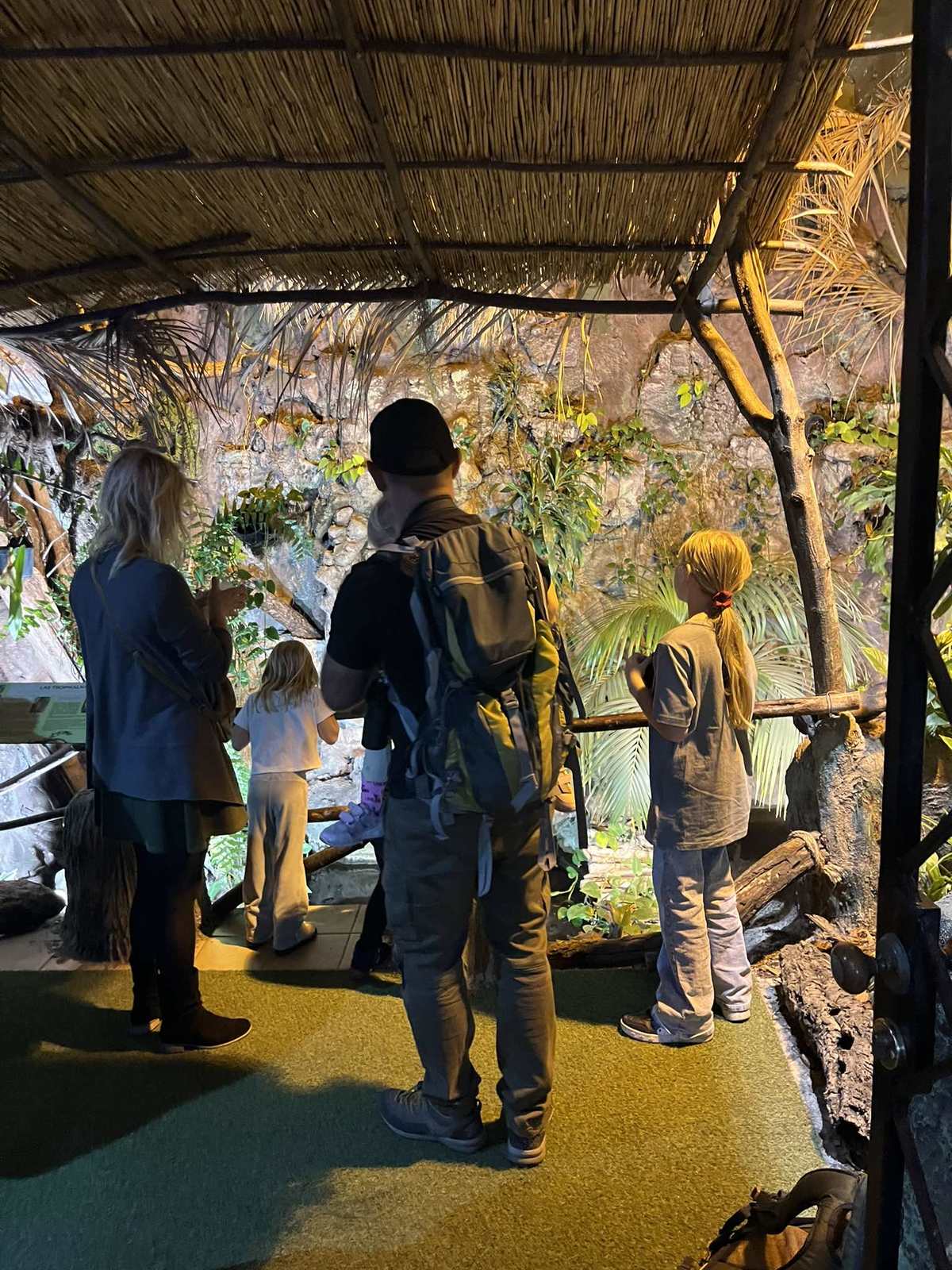
The exhibition presents a fragment of a tropical jungle, rich in species of flora from the equatorial forests of South and Central America, Africa, and Asia. Among the collected specimens of useful plants, you can see, among others, coffee (Coffea sp.), pomelo (Citrus maxima) and Ceiba pentandra (known as the kapok tree). In the past, the fluff surrounding the seeds was used to make life jackets.
Water – the Foundation of Life on Earth

The exhibition aims to show species characteristic of aquatic ecosystems from different parts of the world. It mainly features species inhabiting rivers and lakes in Africa, South America, and Central America. A rich cross-section of species from the cichlid family is complemented by multicolored barbs, the attractive Senegal bichir (Polypterus senegalus), and the clown knifefish (Chitala chitala). Also noteworthy is Anderson’s salamander (Ambystoma andersoni), an amphibian that closely resembles the popular axolotl.
Current
- Evolution Days | 9–10 October 2026
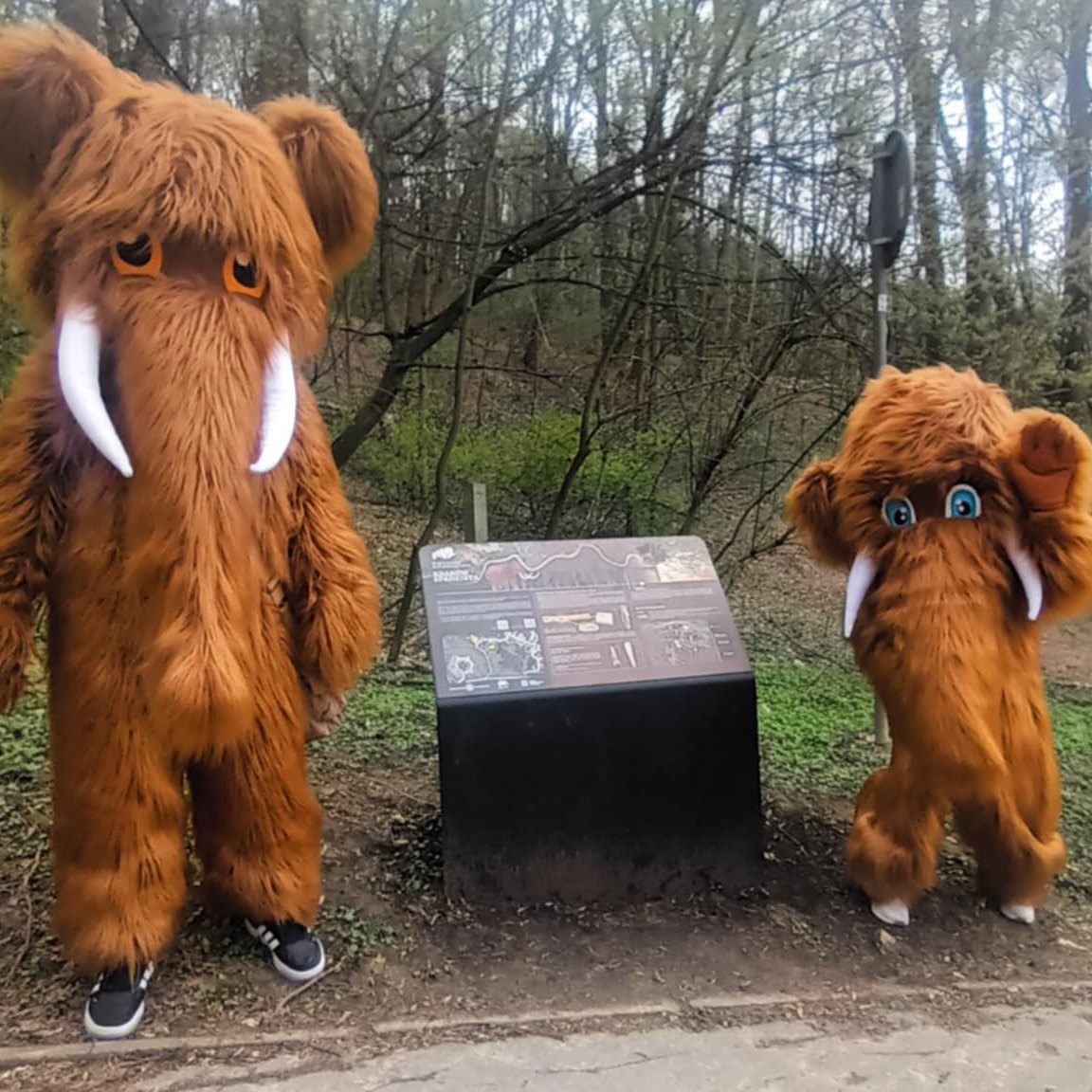
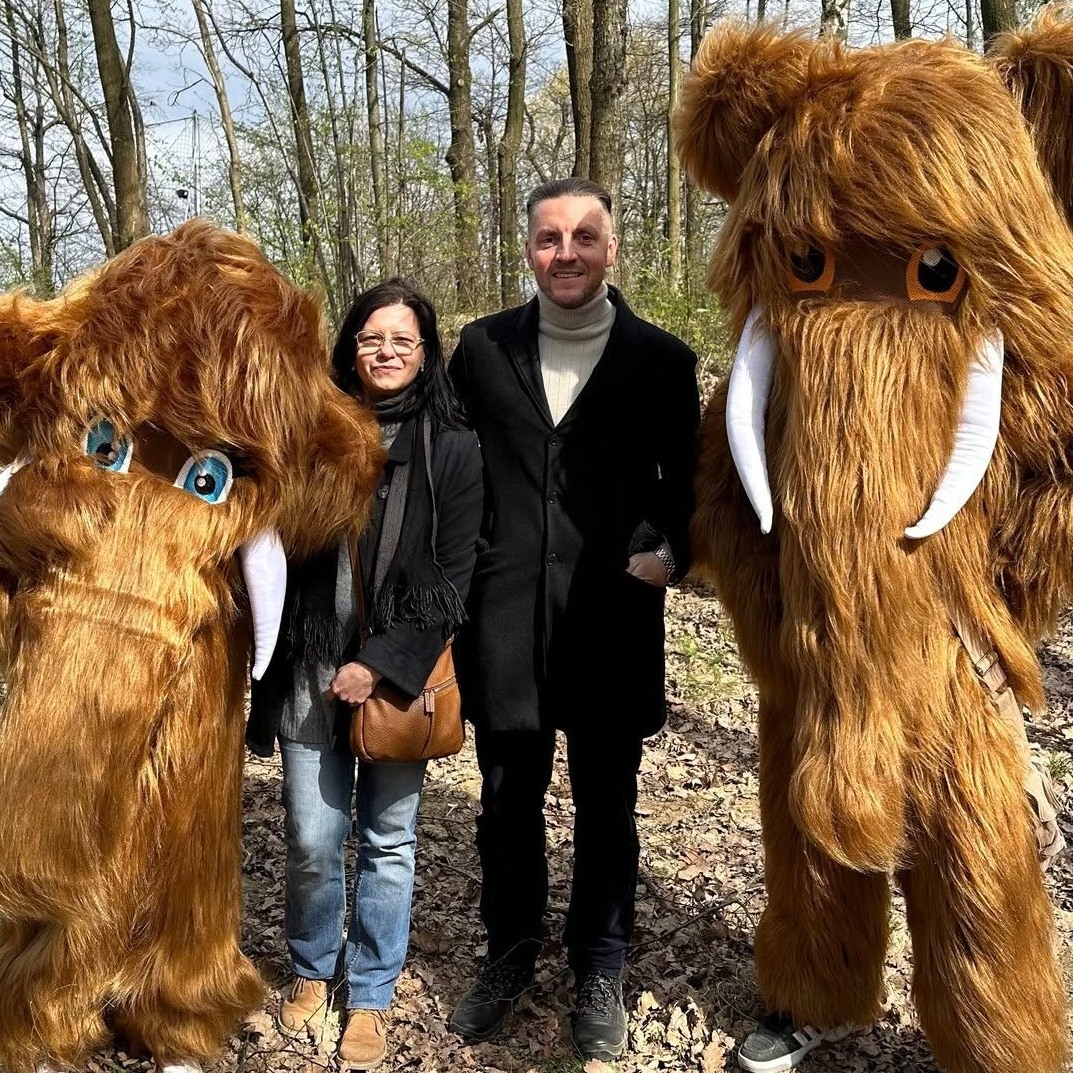
As part of the project “On the Trail of Evolution with Nosia – Discovering the History of Life Recorded in DNA and Fossils”, funded by the Ministry of National Education under the “Young Citizen’s Compass” programme.
🏫 9 October (Friday) – a day for school groups
We invite students from Kraków primary and secondary schools to take part in workshops and lectures devoted to evolution, organism adaptations, genetics, and fascinating mysteries of the natural world.
The programme includes:
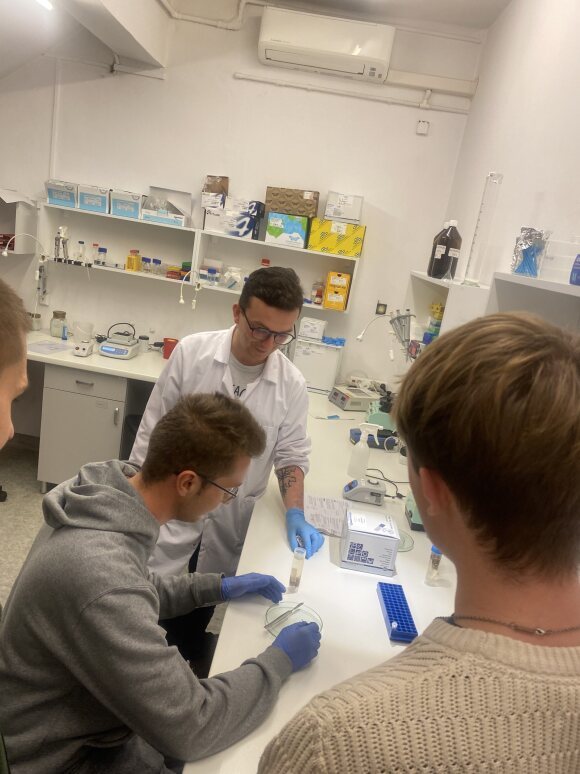
🔬 Genetic Investigation – how DNA helps us uncover the evolution of animals
🦋 Evolution All Around Us – discover the fascinating world of organism adaptations
🌺 Flowers and Insects – millions of years of cooperation
🐚 Cubic Poop, Iron Shells and Toxic Feathers – a look at some of the strangest adaptations in the natural world
🎤 Lecture on Insect Evolution
👨👩👧👦 10 October (Saturday) – a day for individual visitors and families
We invite all nature and science enthusiasts to join us in discovering the mysteries of evolution!
The programme includes:
🧬 Interactive activities and talks: “Evolution Without Secrets – From the Microscopic World to the Amazing Superpowers of Animals”
🎤 Plenary lecture
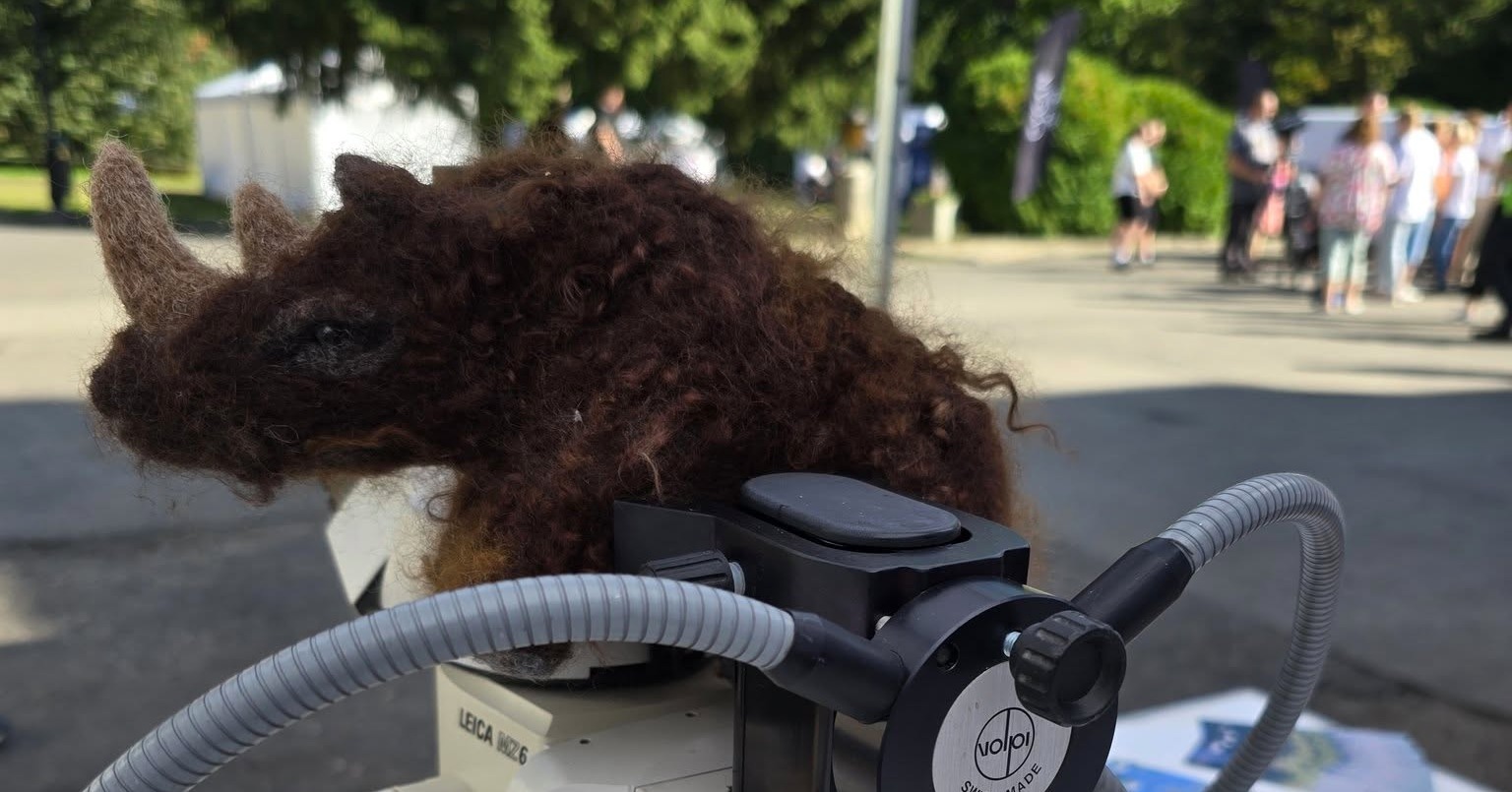
🦏 Family workshop: “Felt Woolly Rhinoceros” (limited places available – registration required)
Archive
Weekend for Seniors with Culture
On 3–4 October 2026, our Museum took part in the “Weekend for Seniors with Culture” initiative. The Museum opened its doors to visitors, and seniors could visit for a symbolic admission fee of PLN 5 on both days.
Małopolska Researchers’ Night 🌙
On Friday, 25 September, this year’s edition of the Małopolska Researchers’ Night was held under the motto “From Wow to Why!” – because every scientific adventure begins with a sense of wonder and then leads to questions, exploration and the discovery of answers.
At our Institute, participants took part in:
🦴 meetings with scientists,
🔬 workshops and demonstrations.
Great Expeditions – Following in the Footsteps of Kraków’s Naturalists
26 September 2026, 6:00 p.m.
Another lecture in the second edition of the “Great Expeditions – Following in the Footsteps of Kraków’s Naturalists” series took place.
This time, participants travelled to South Africa to learn about geological research conducted in remote river valleys and along mountain roads.
The lecture, “An Expedition to South Africa – Why Should Every Geologist Go There?”, was given by Dr Anna Gumsley, a geologist specialising in geochemistry and geochronology. She spoke about fieldwork, logistical challenges, cooperation with local researchers, and the importance of this research for understanding the history of the Earth and the conditions under which it formed.
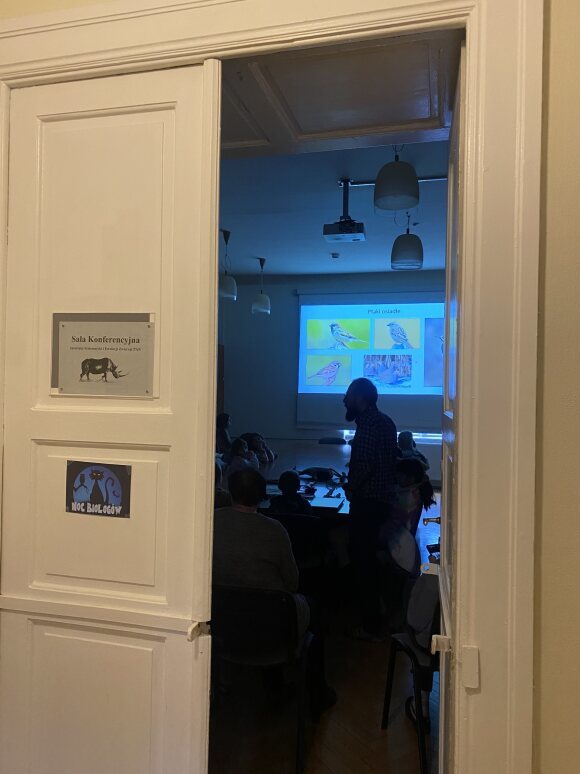
Museum Night
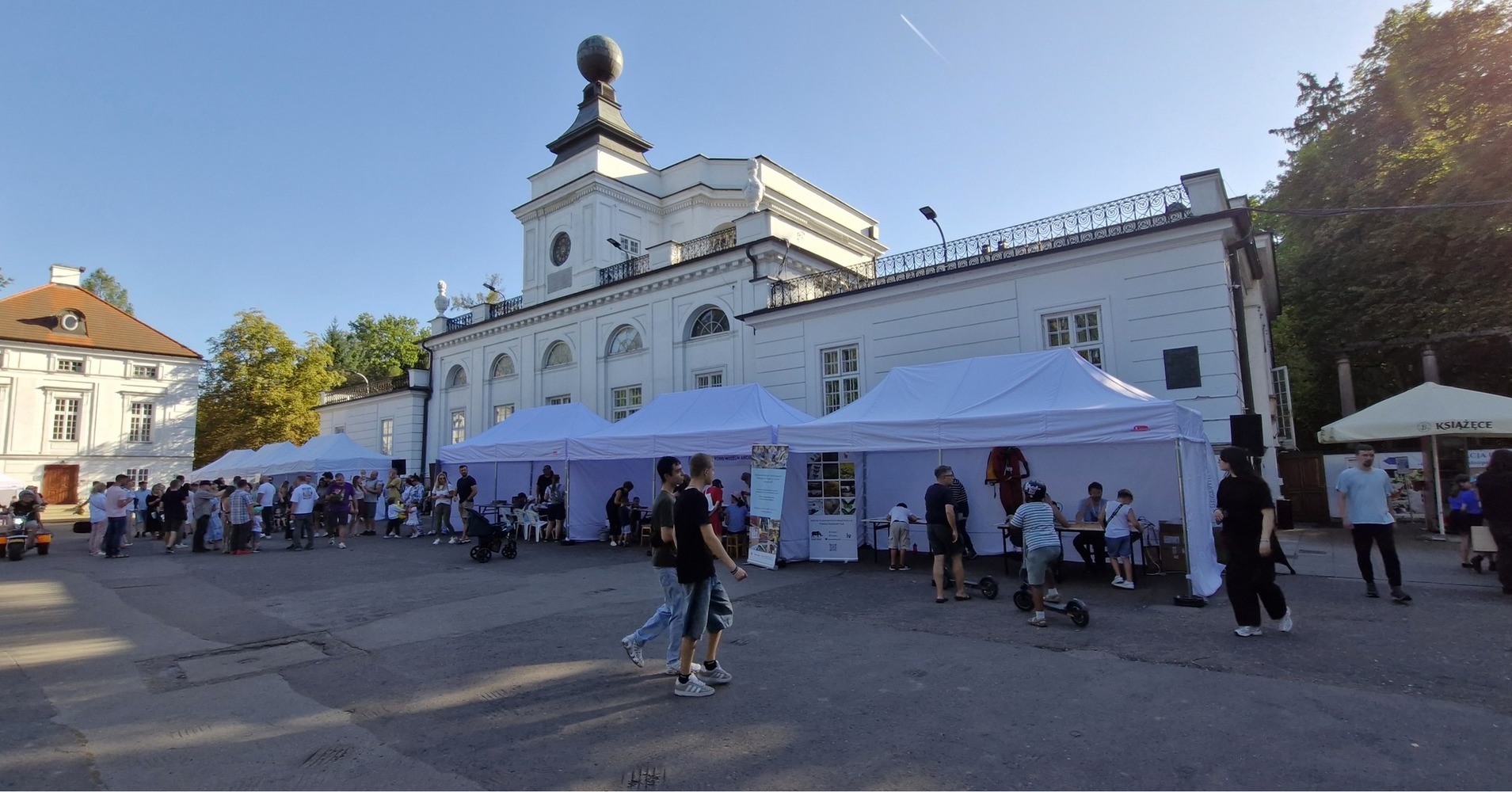
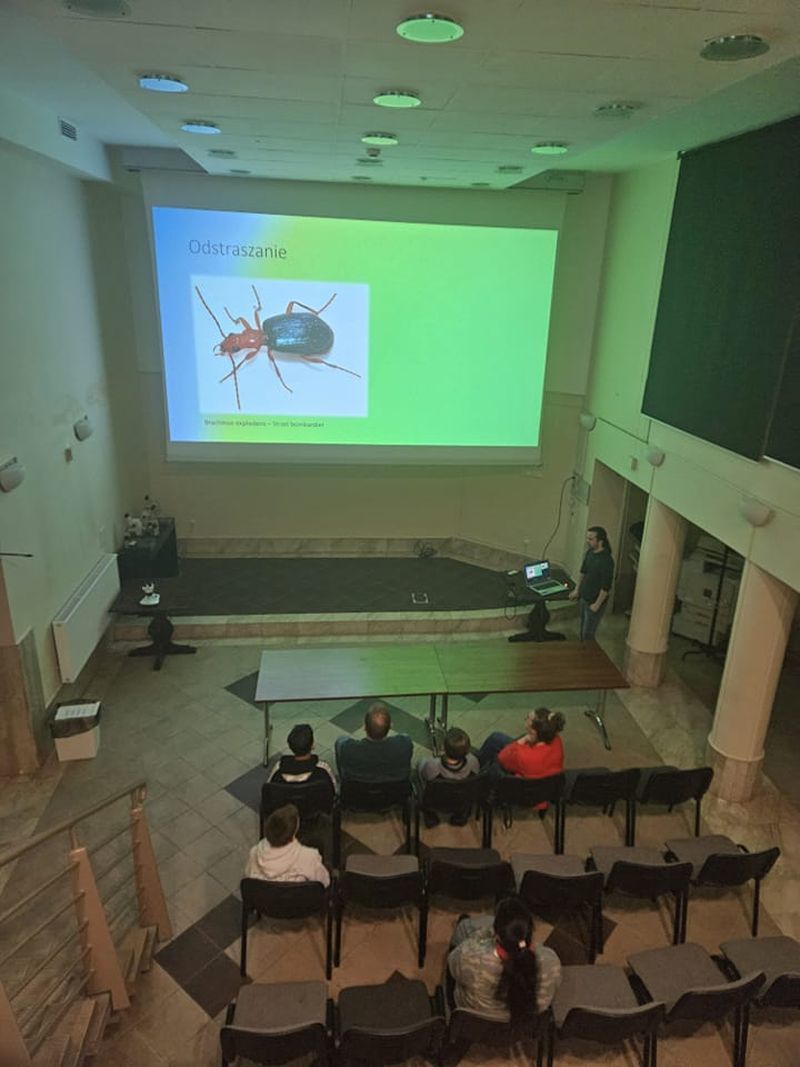
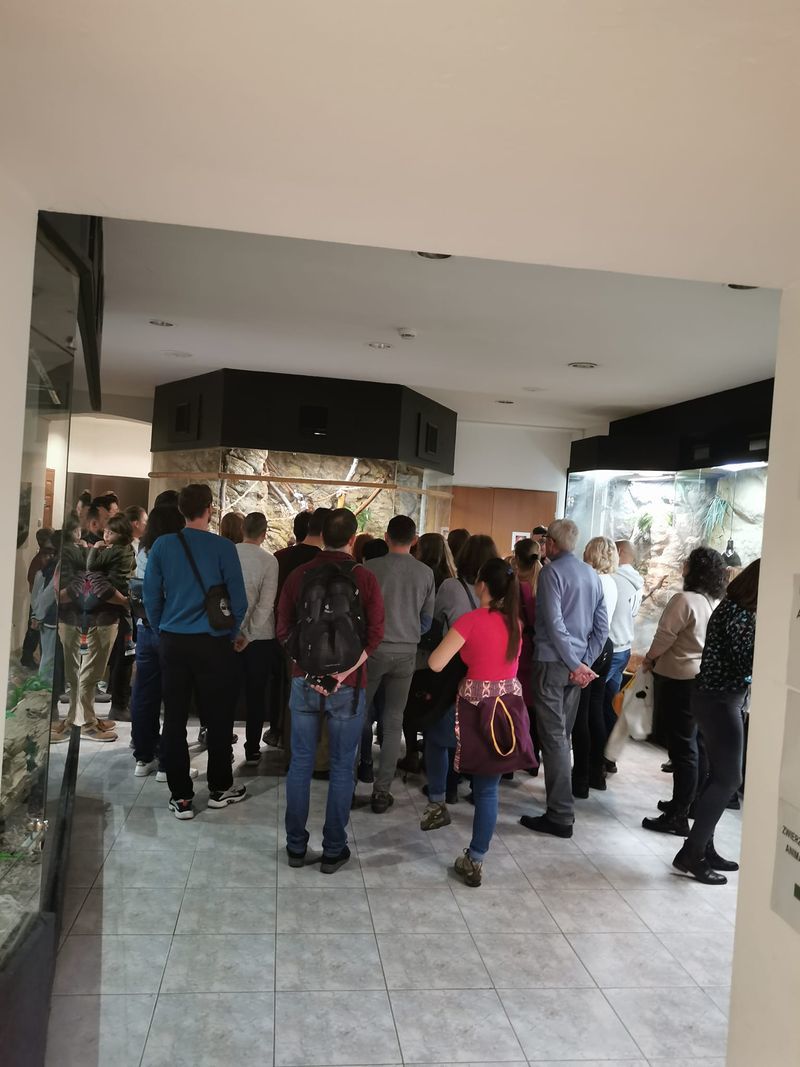
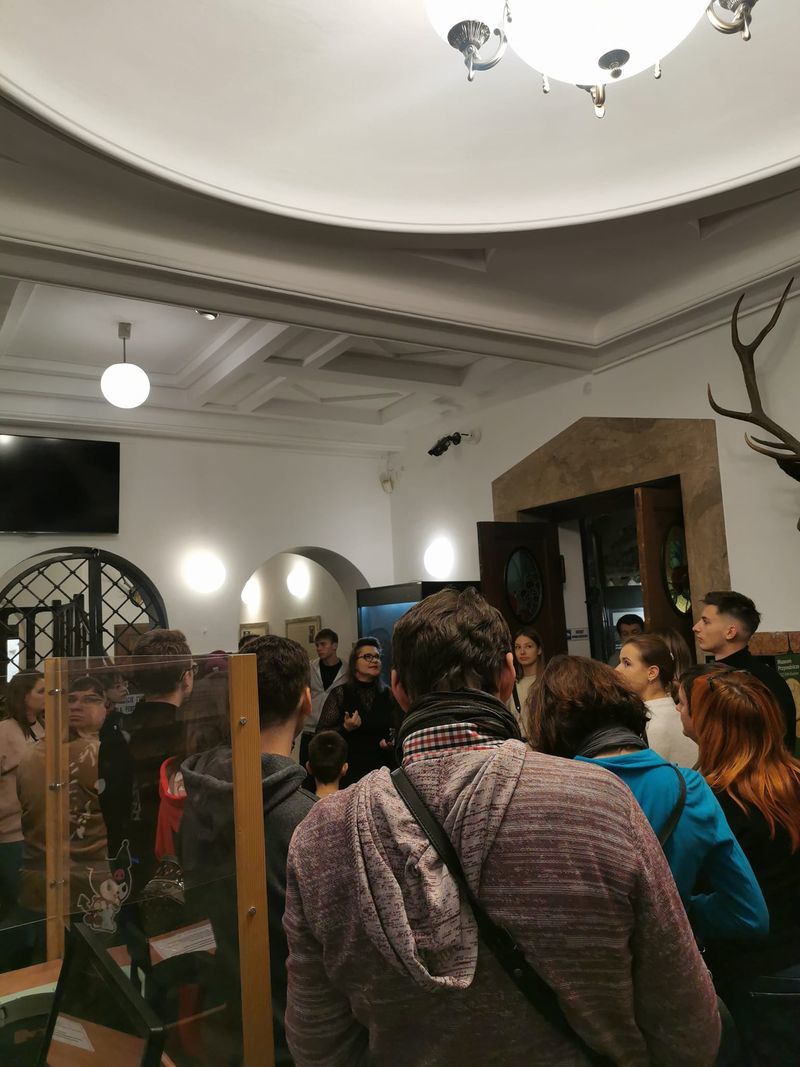
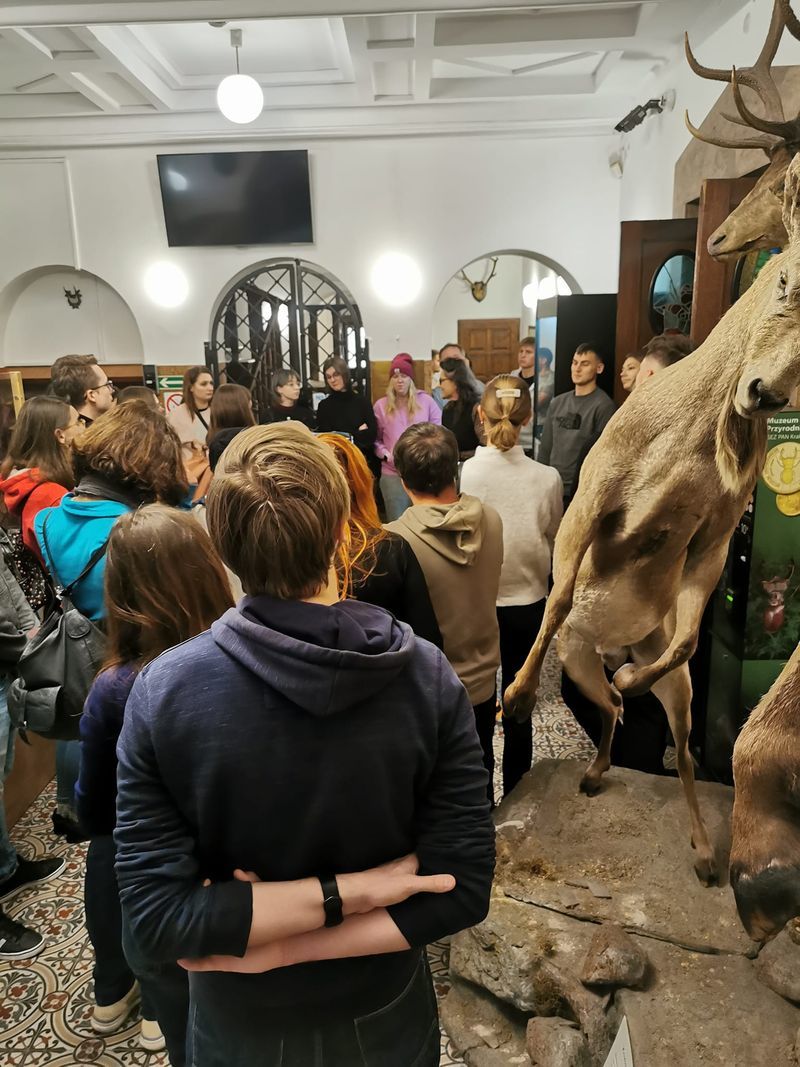
On Friday, 15 May, the Natural History Museum of the Institute of Systematics and Evolution of Animals, Polish Academy of Sciences, opened its doors after dark.
Inspired by the theme of Museum Night 2026 – “Museums Connect”, visitors embarked on a journey through the history of our planet, connecting extinct organisms that once inhabited it with the rich diversity of modern nature. During their visit, they could see, among other things, inhabitants of the Jurassic sea, giants that roamed the Kraków area during the Pleistocene, and admire the species diversity of modern beetles.
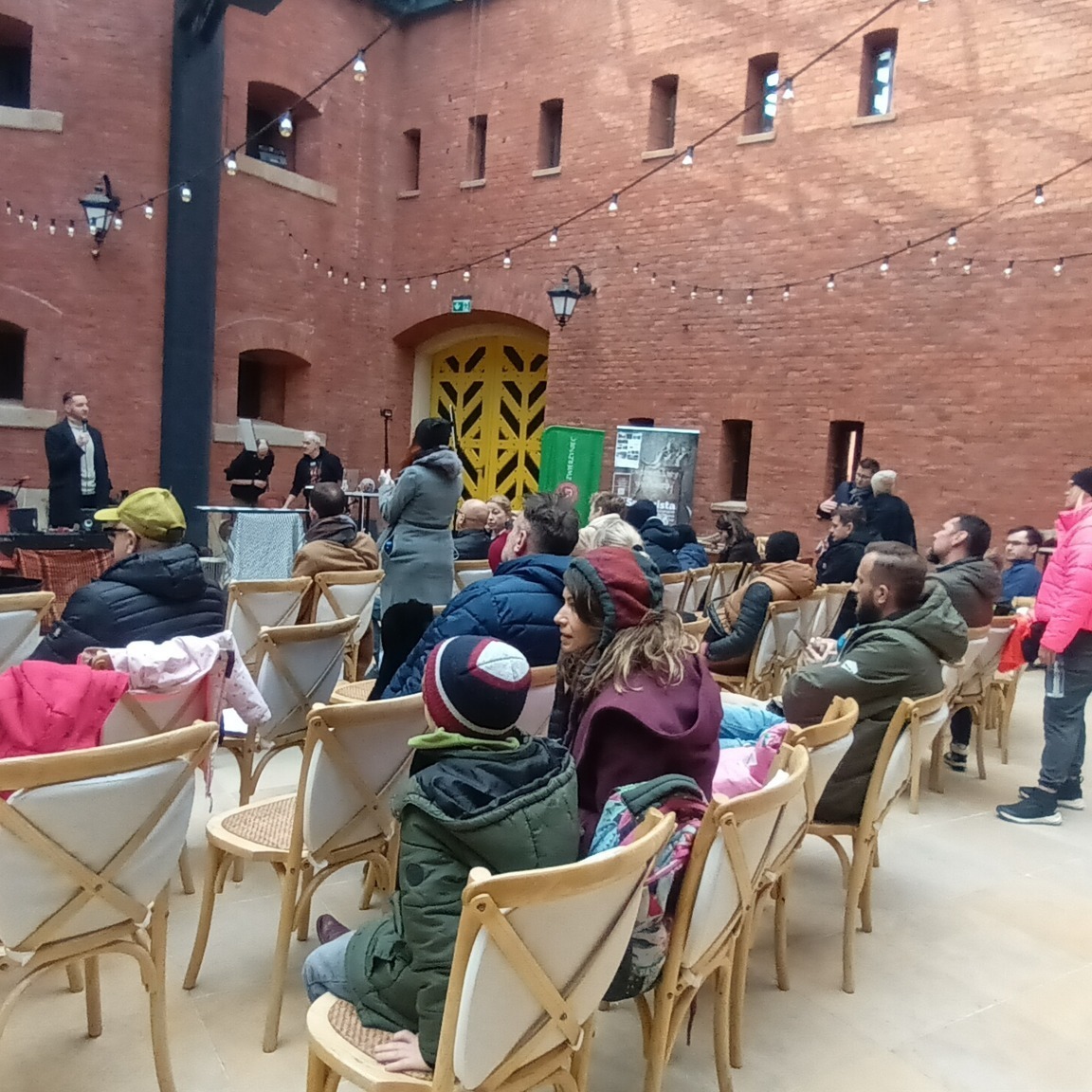
Three talks were also held during this year’s Museum Night:
🦣 “Kraków’s Mammoth Hunters”
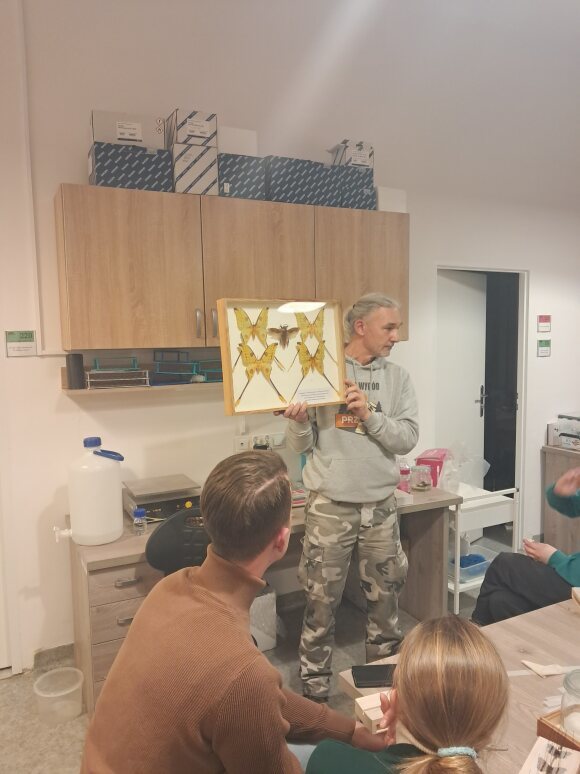
🦋 “The Planet of Insects”
🐚 “The Shell of Time”


Internships MP ISEA PAS


Research at the ISEA PAS Natural History Museum
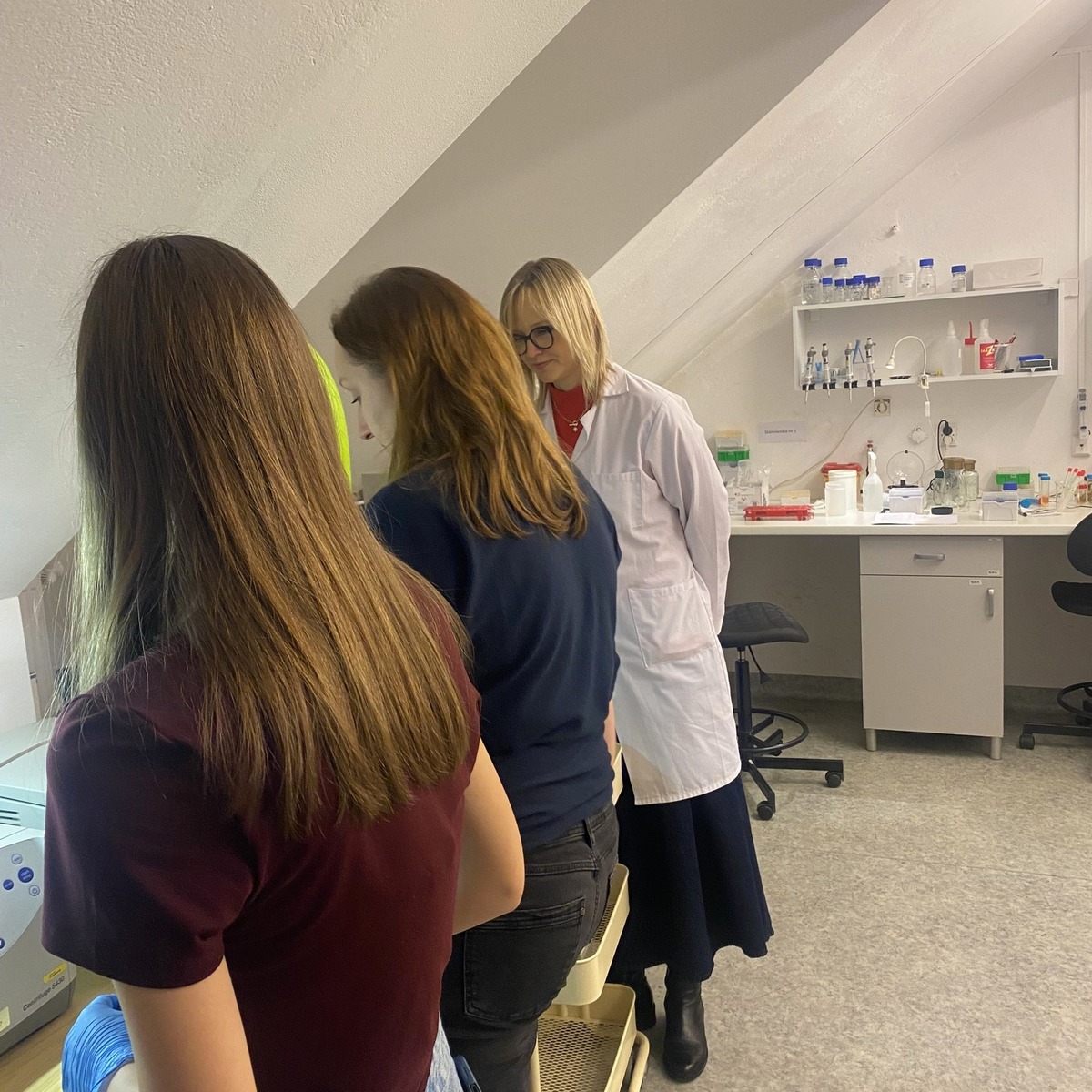
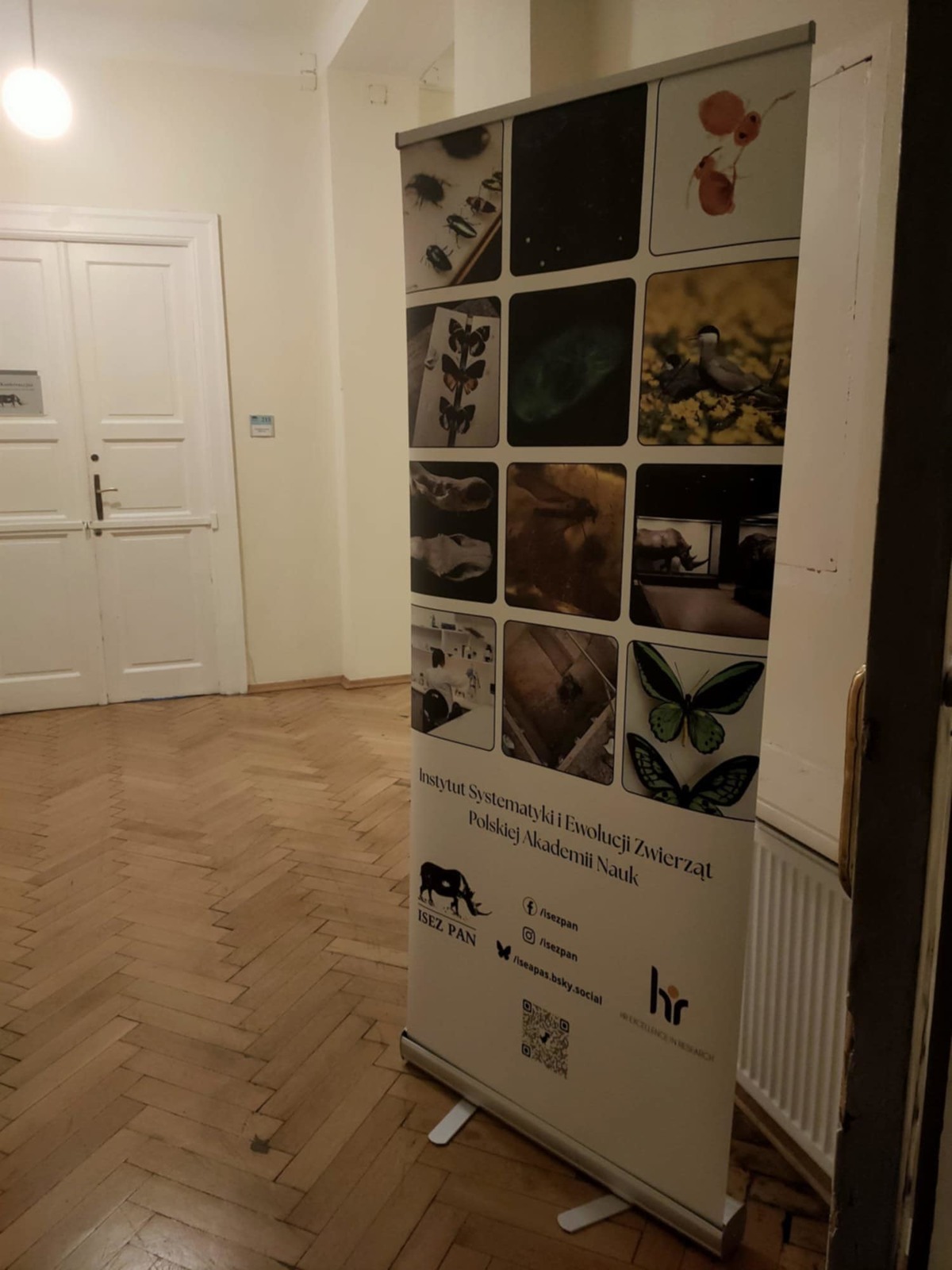
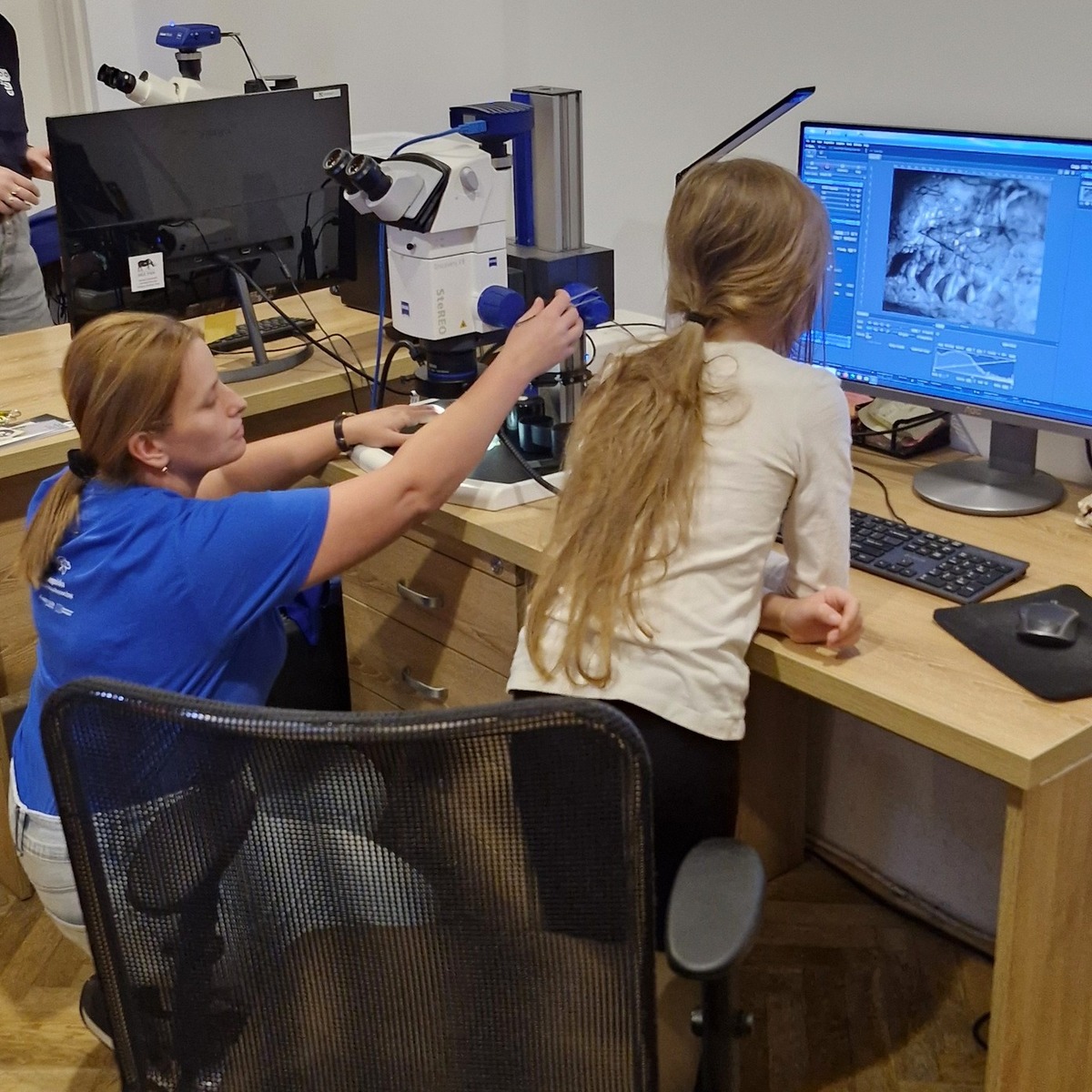
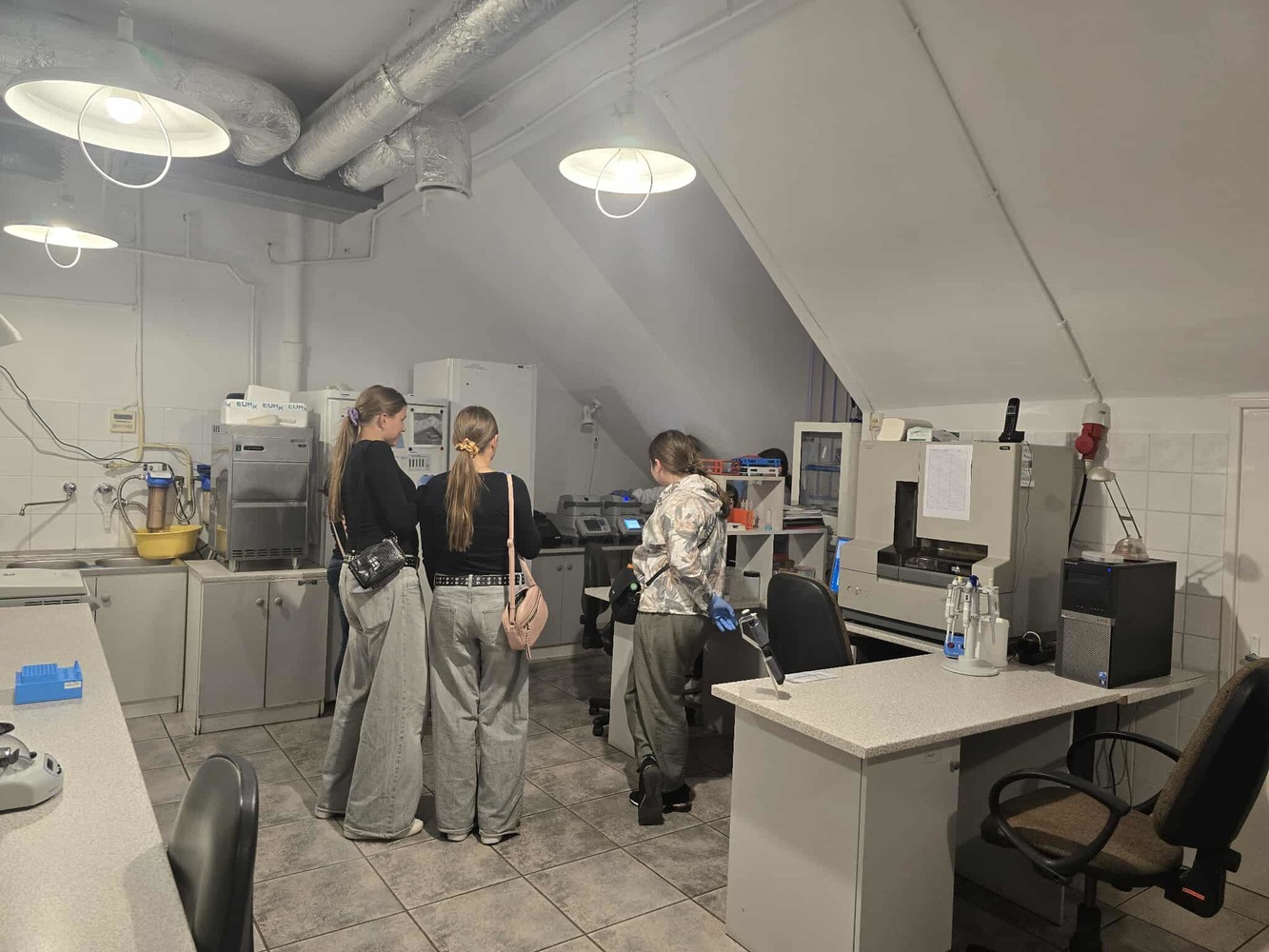
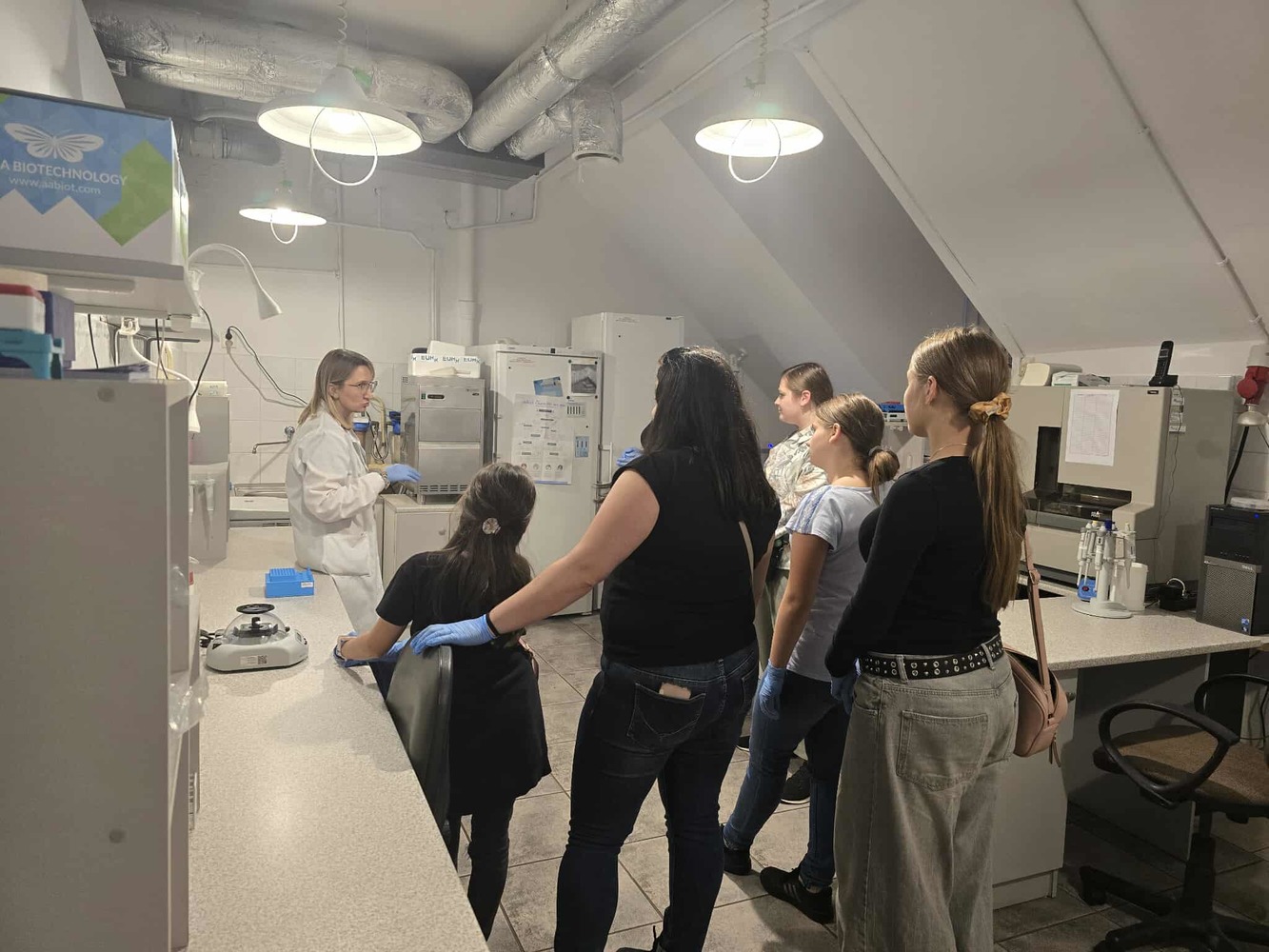
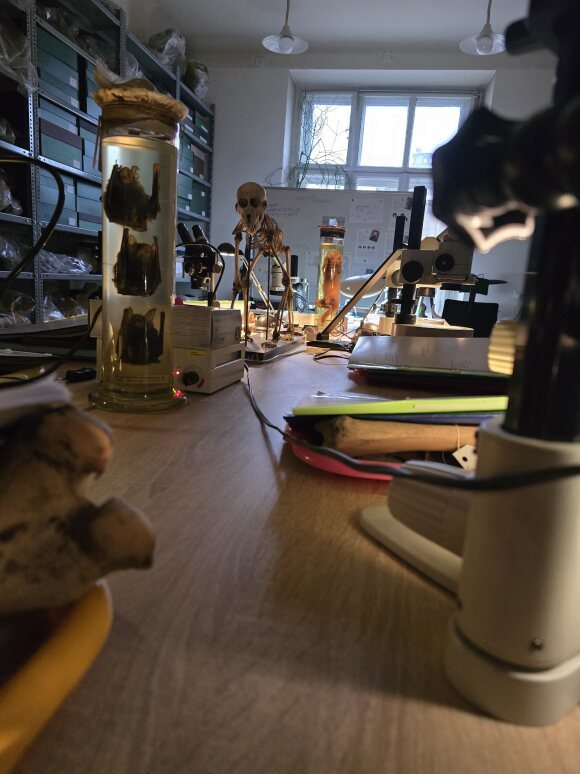
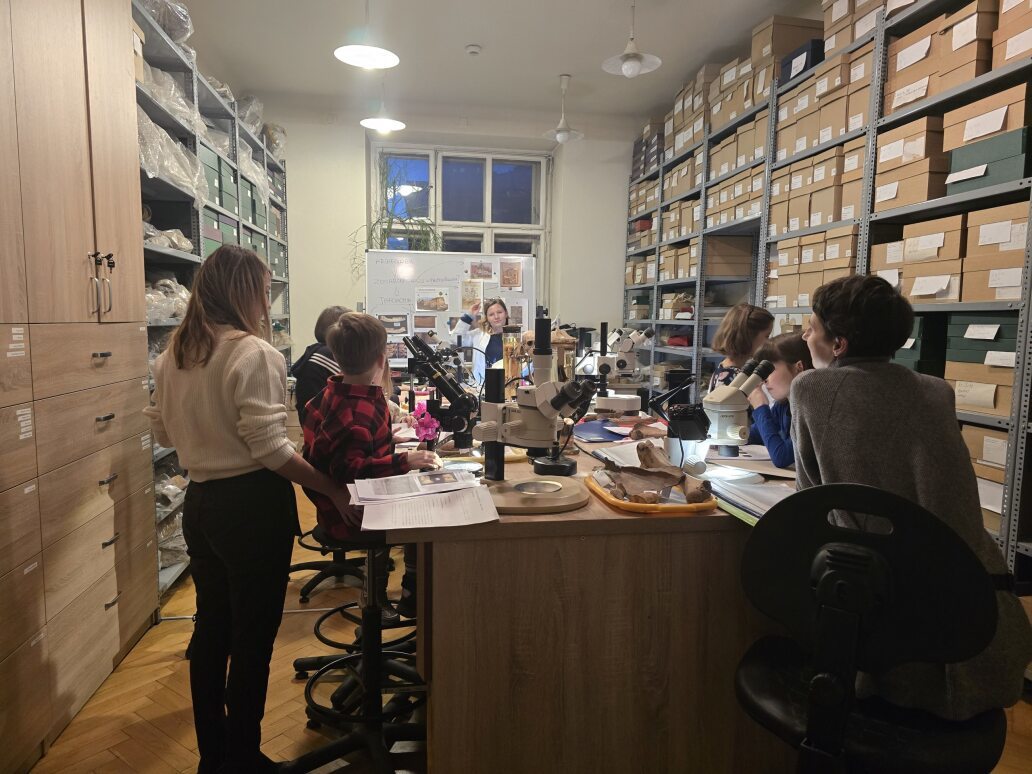
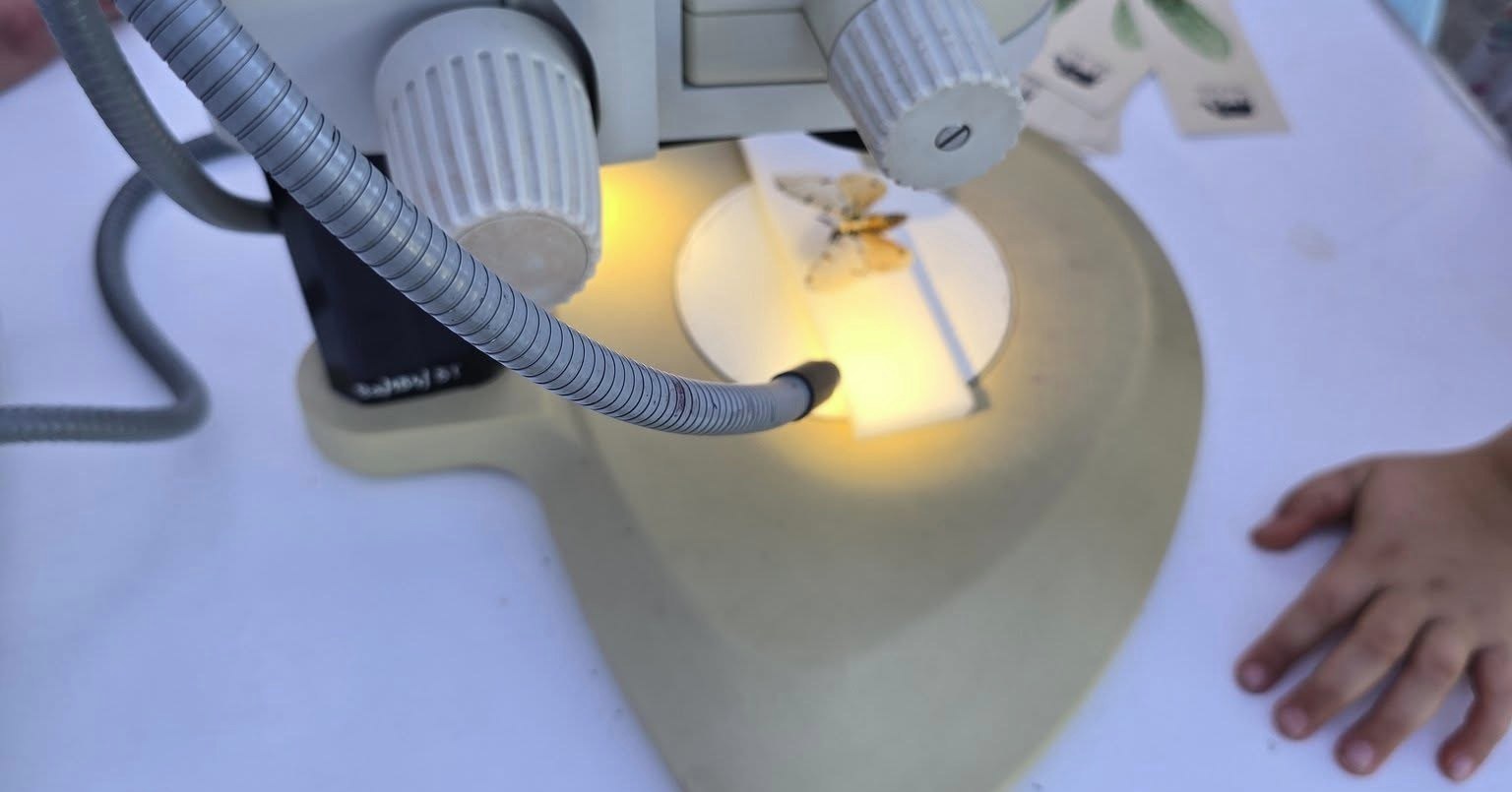
In its research, the Natural History Museum ISEA PAS team primarily uses the Institute's rich and unique scientific collection, which is maintained by the Scientific Collections Department of the Institute of Entomology and Zoology of the Polish Academy of Sciences. Among these collections are beetles (Coleoptera), flies (Diptera), hymenoptera (Hymenoptera), scorpionflies (Mecoptera), and butterflies (Lepidoptera).
The aim of the research is to learn about the morphological diversity of fossil species, which enables comparative and phylogenetic analyses to be carried out. The data obtained is compared with contemporary fauna from various regions of the world. This research is based on classical palaeontological methods and supplemented by analyses carried out using scanning microscopy. The ISEA PAS Natural History Museum team conducts this research in close cooperation with scientists from many countries, including England, Brazil, China, Denmark, the Netherlands, Germany, Russia, the United States, Sweden, Switzerland, Lithuania, and Ukraine.
In its research, the ISEA PAS Natural History Museum team primarily uses the Institute's rich and unique scientific collection, which is maintained by the Scientific Collections Department of the Institute of Entomology and Zoology of the Polish Academy of Sciences. Among these collections are beetles (Coleoptera), flies (Diptera), hymenoptera (Hymenoptera), scorpionflies (Mecoptera), and butterflies (Lepidoptera).
Education
The Natural History Museum of the Institute of Systematics and Evolution of Animals, Polish Academy of Sciences, offers opportunities for student placements and internships. We welcome anyone interested in museum work, nature education, science outreach, and research and work with natural history collections. Interns and trainees actively participate in the Museum’s daily operations, working on real-world tasks and projects, including those related to exhibition design, educational activities, teaching and promotional materials, and the scientific and exhibition collection. Internships and traineeships typically take place during the summer break, though they may also be arranged during the academic year upon agreement with the supervisor; the Museum is open Monday through Friday from 8:00 AM to 4:00 PM.
We expect candidates to demonstrate commitment, attention to detail, responsibility, and good manners when interacting with visitors;
How to apply?
Apply now: Fill out the application form available at the following link:

Have questions? Send them to: kowalik@isez.pan.krakow.pl
For more information on upcoming recruitment rounds, follow our social media and news updates.
Workshops
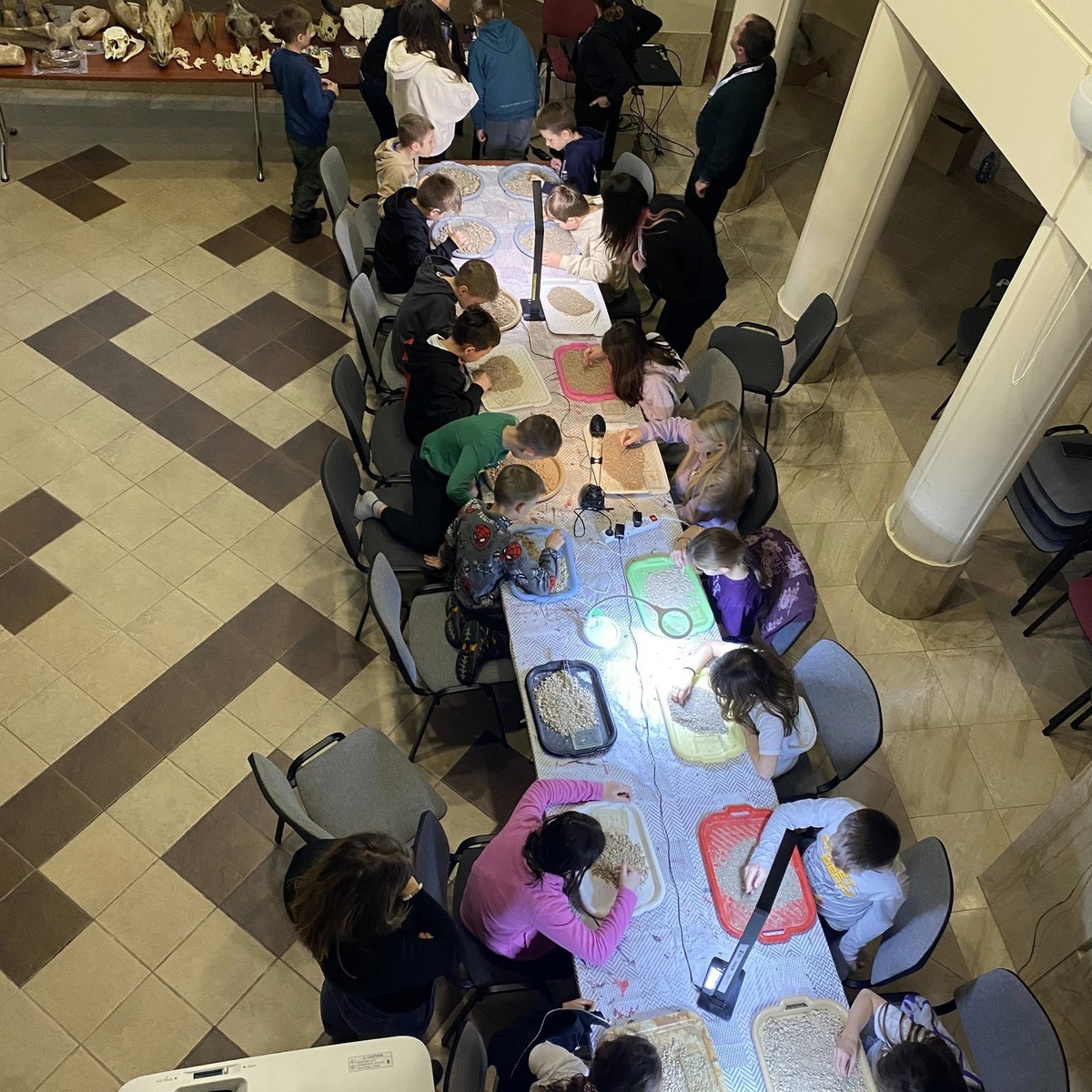
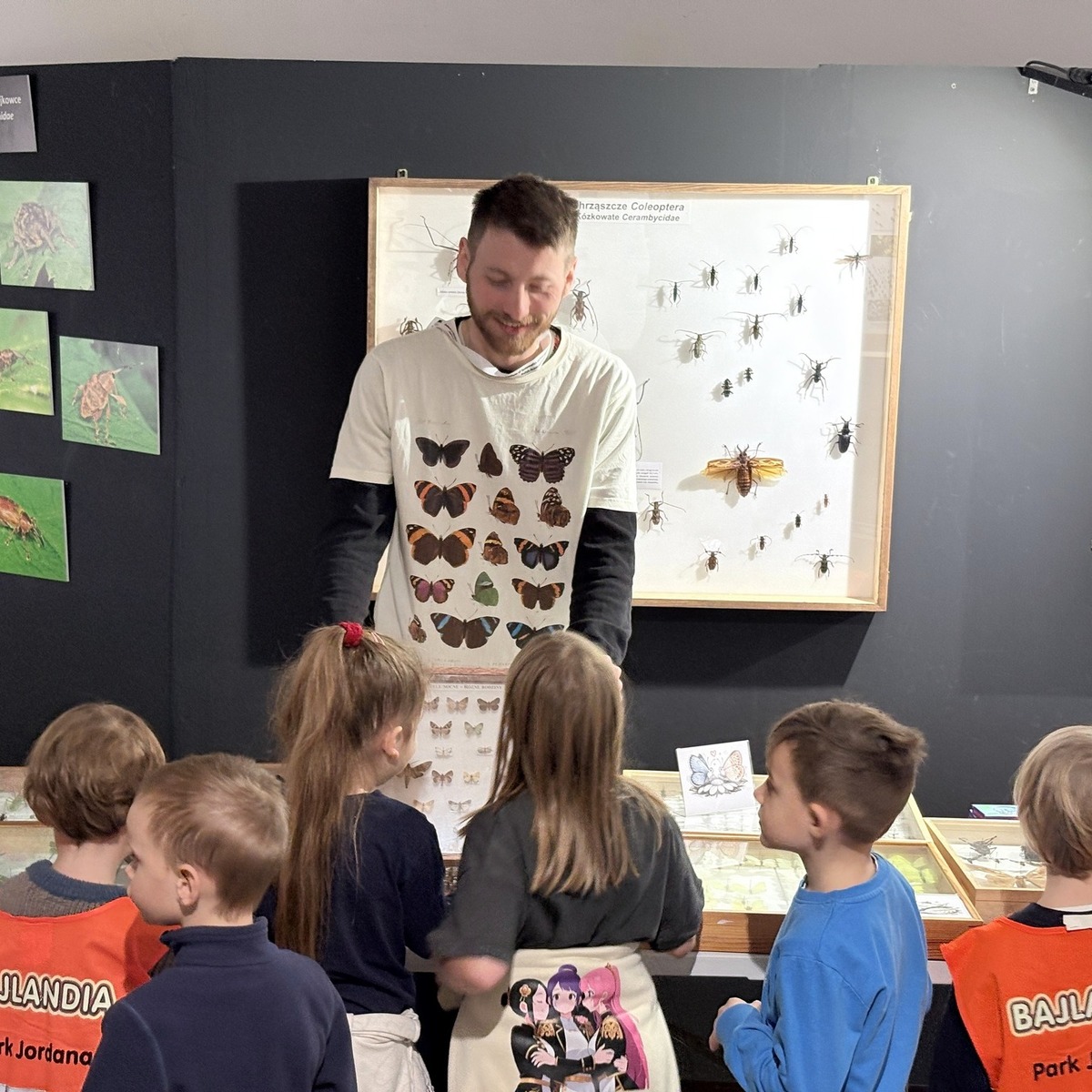
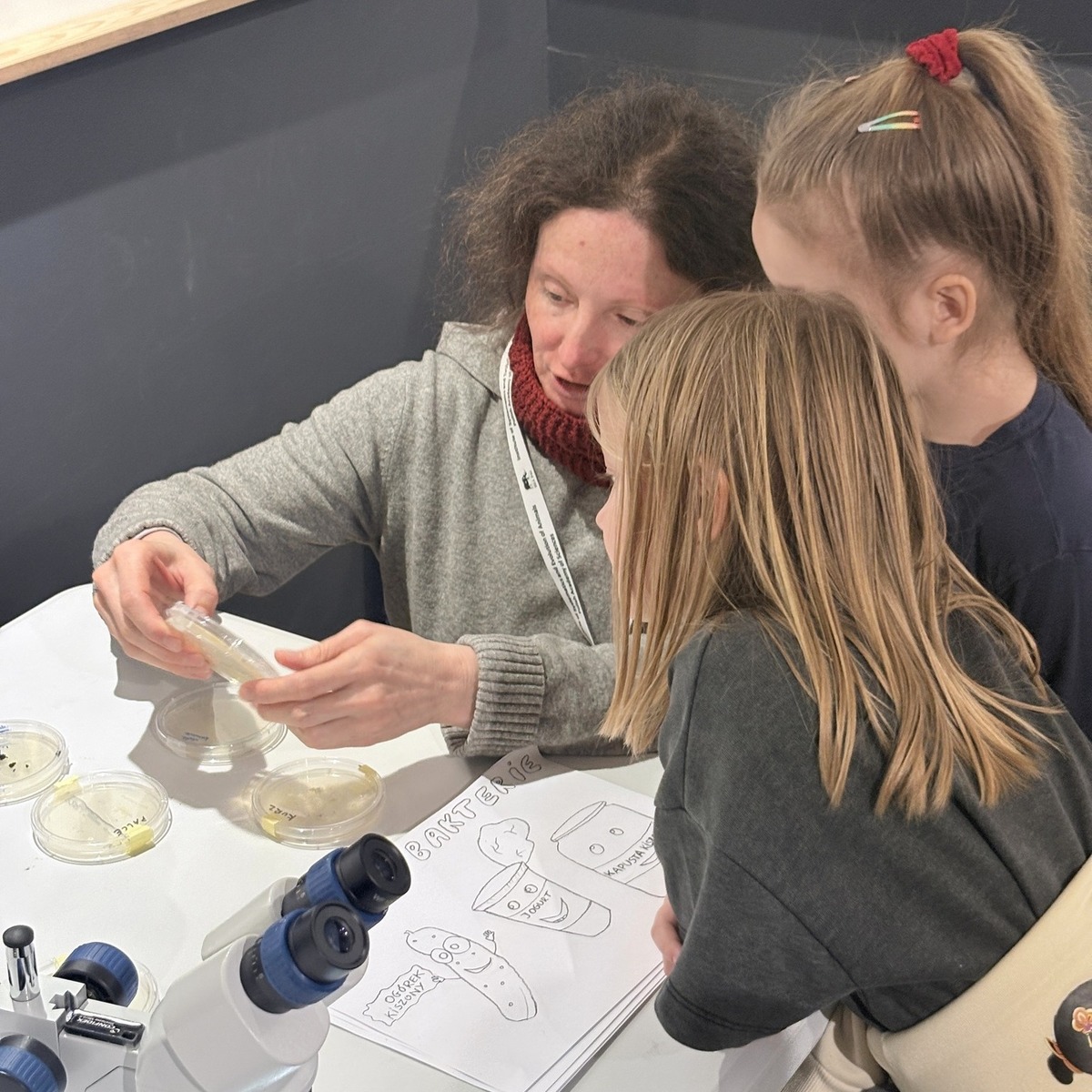
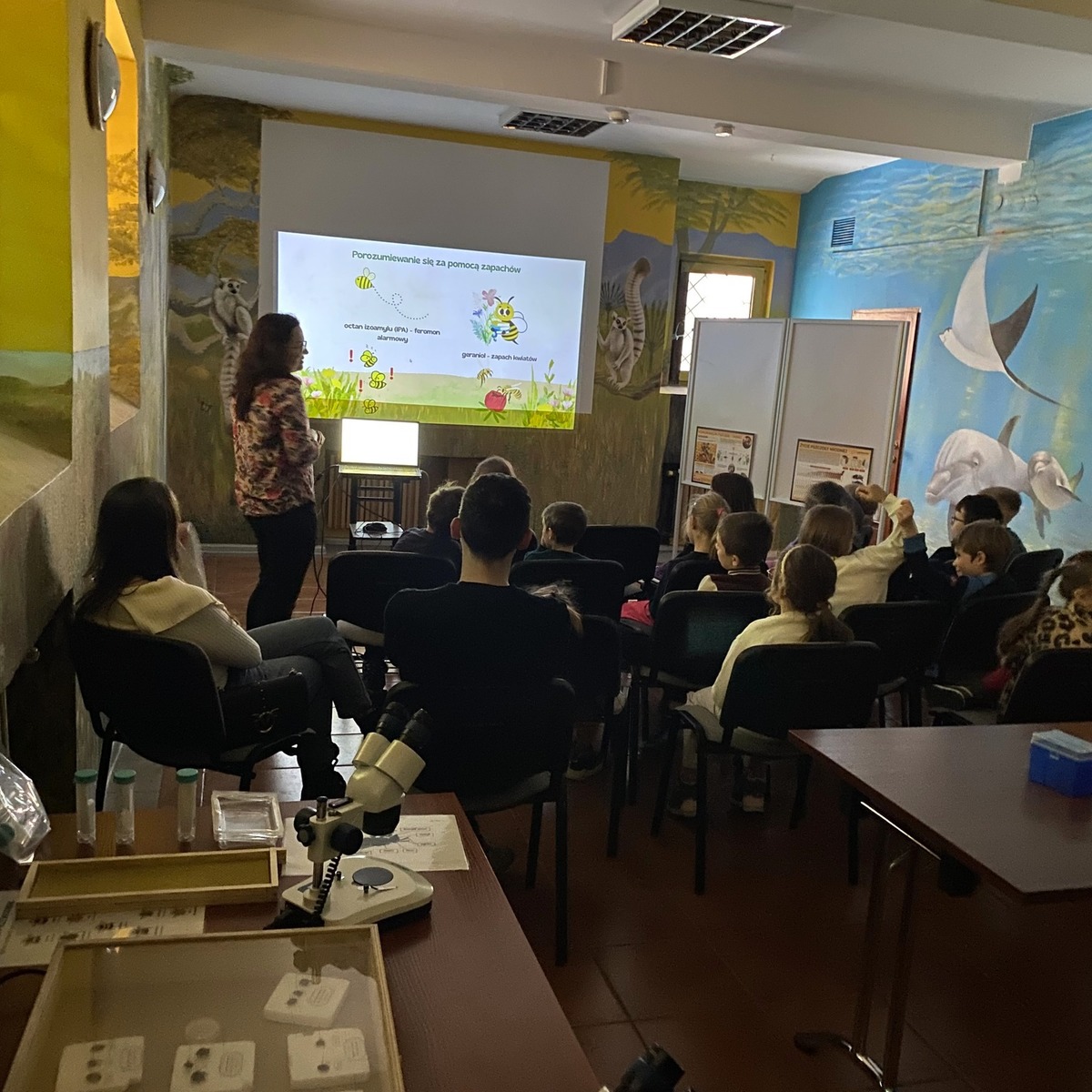
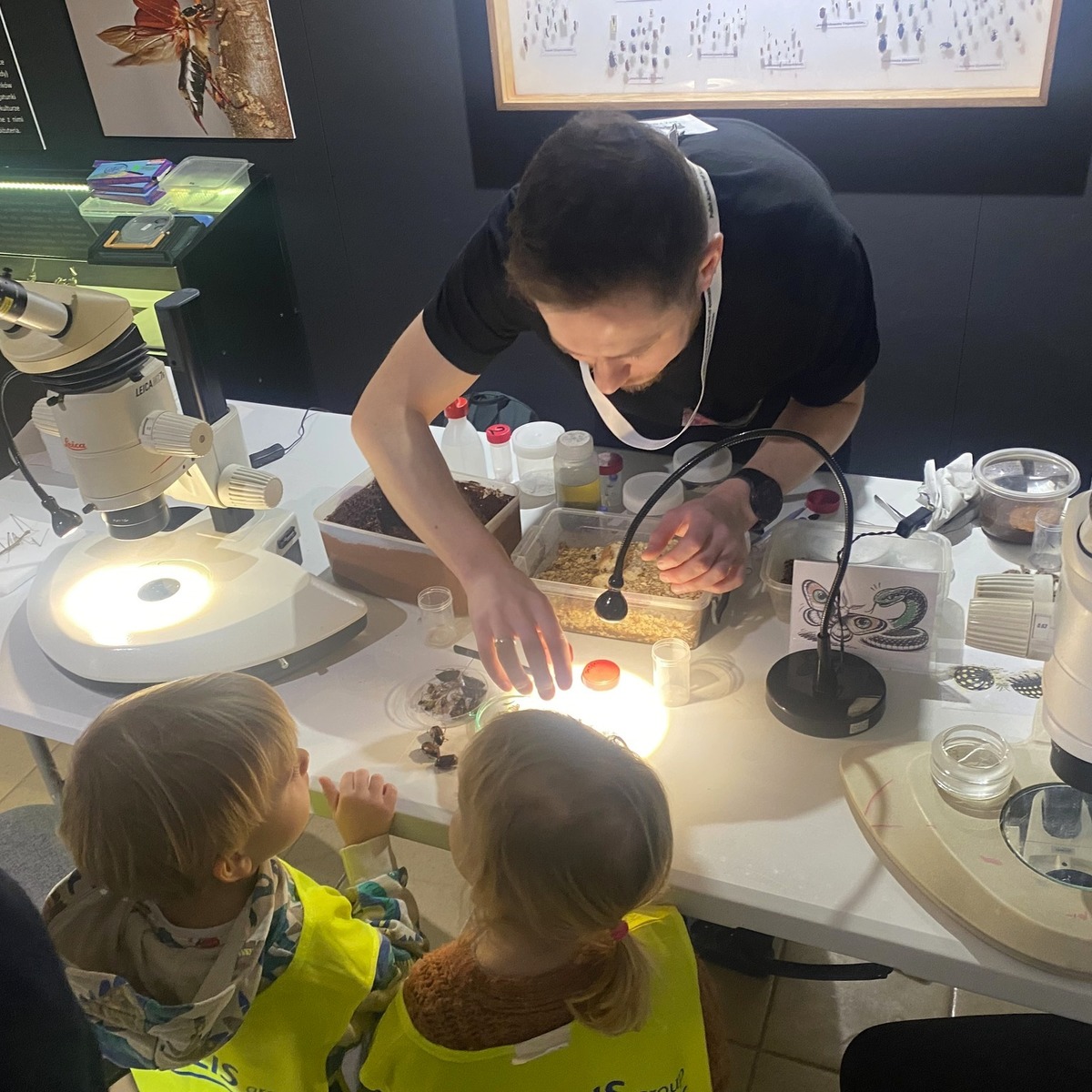
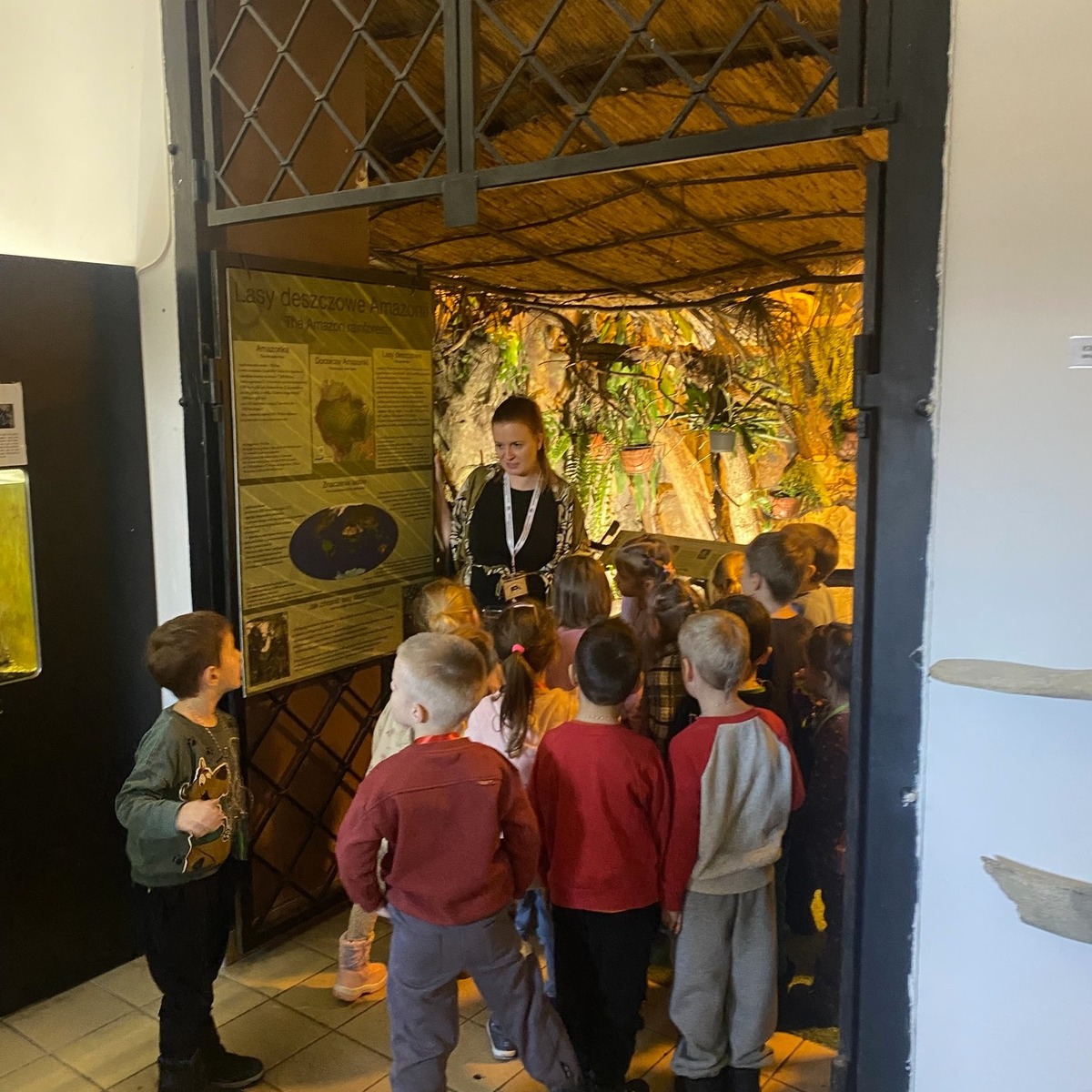
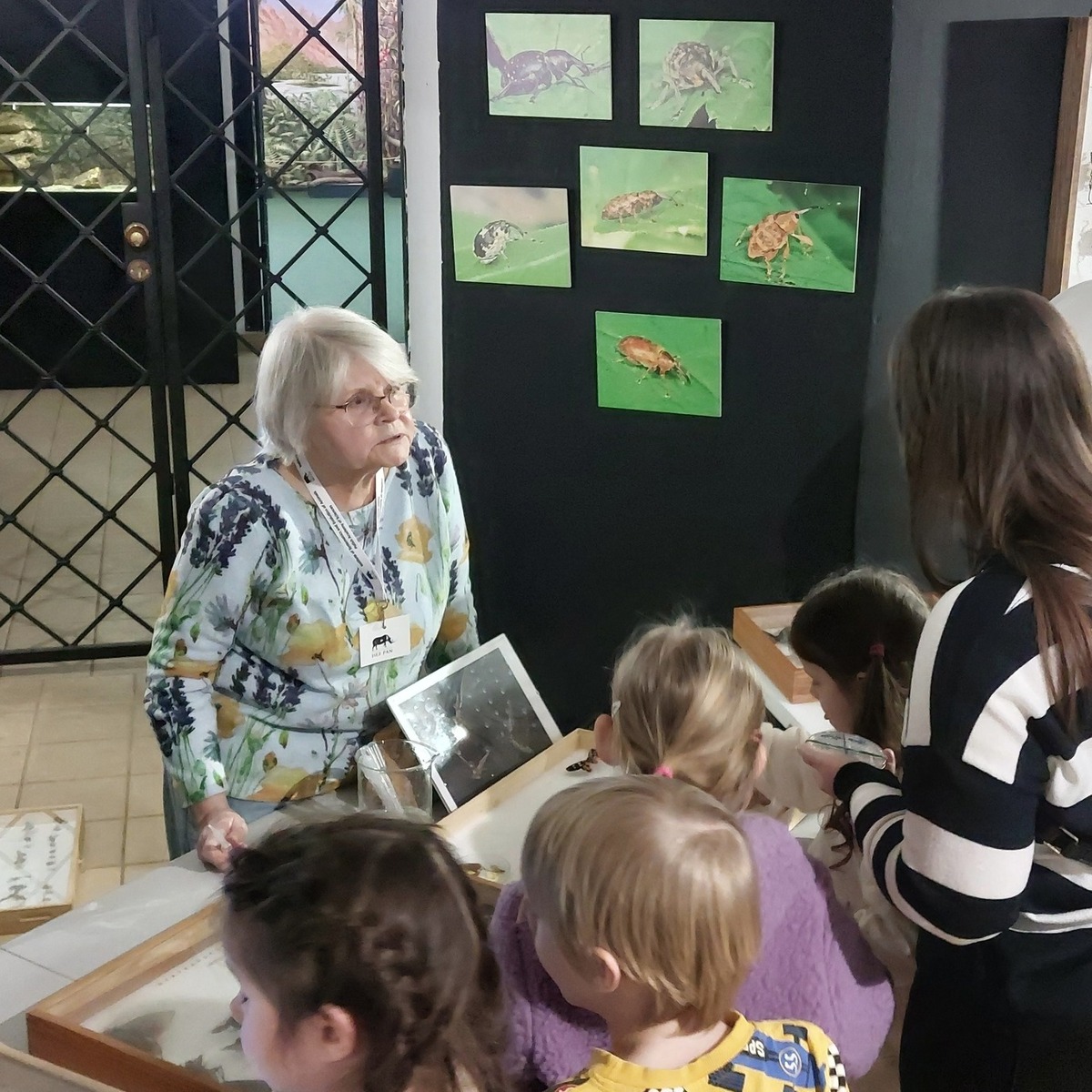
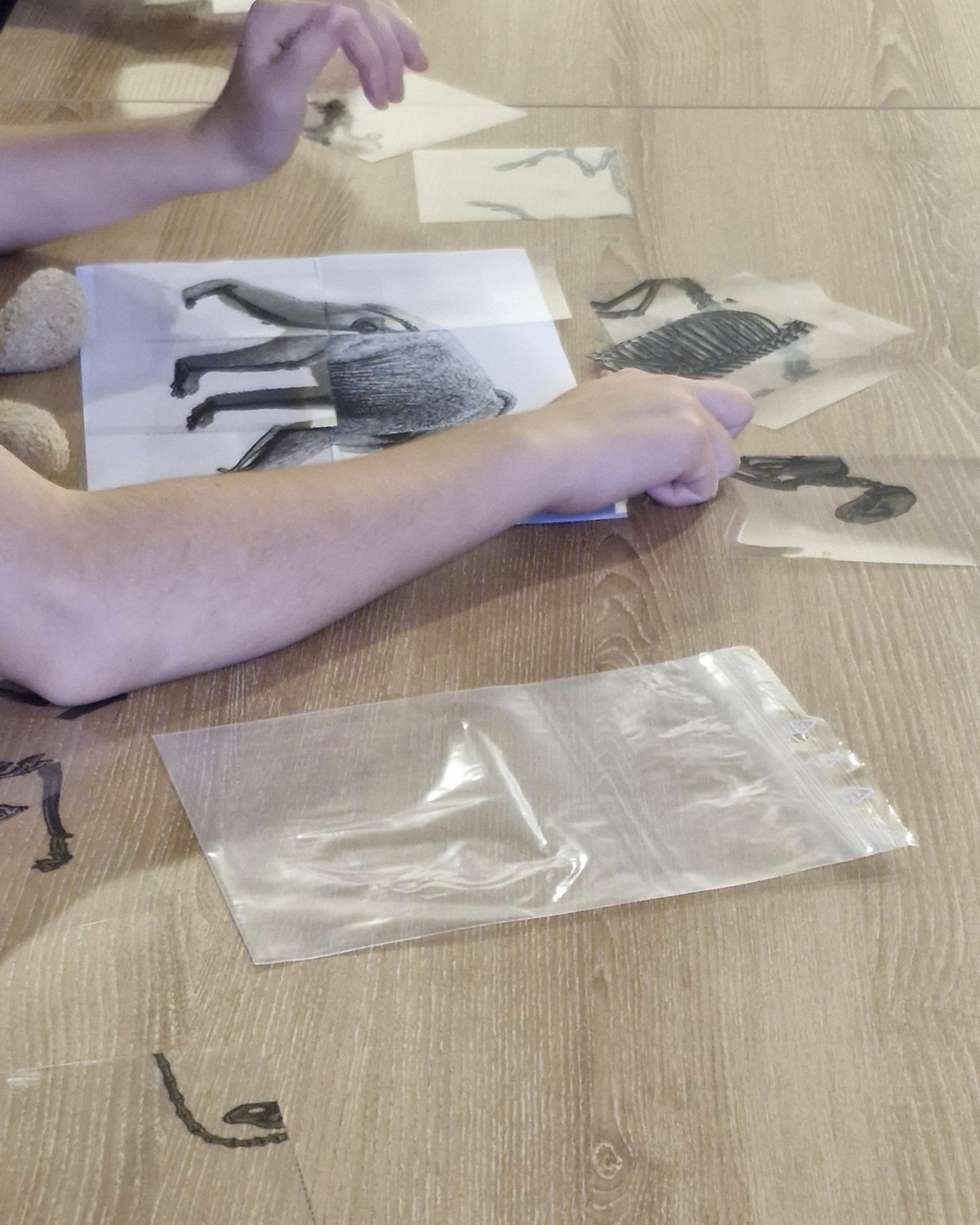
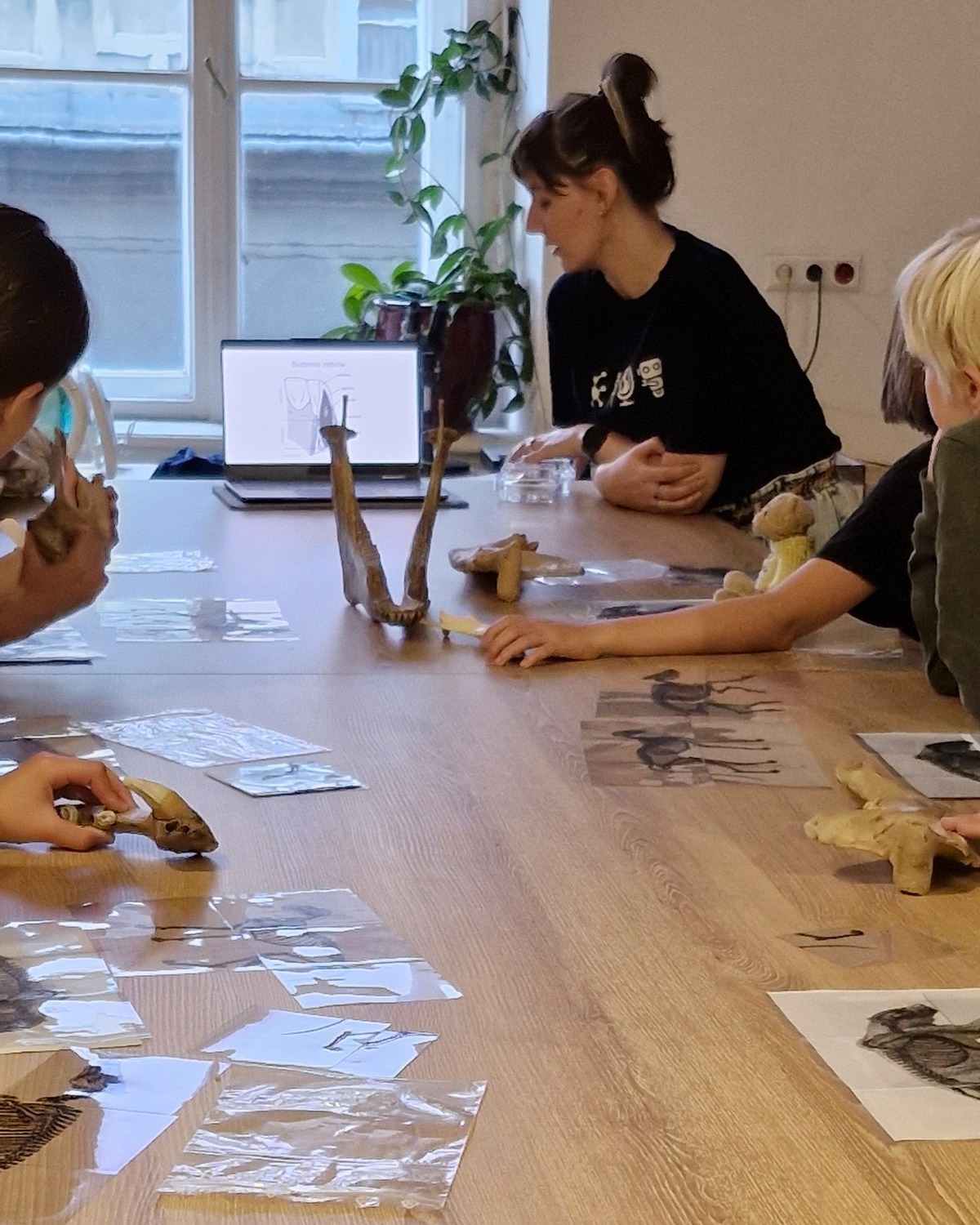
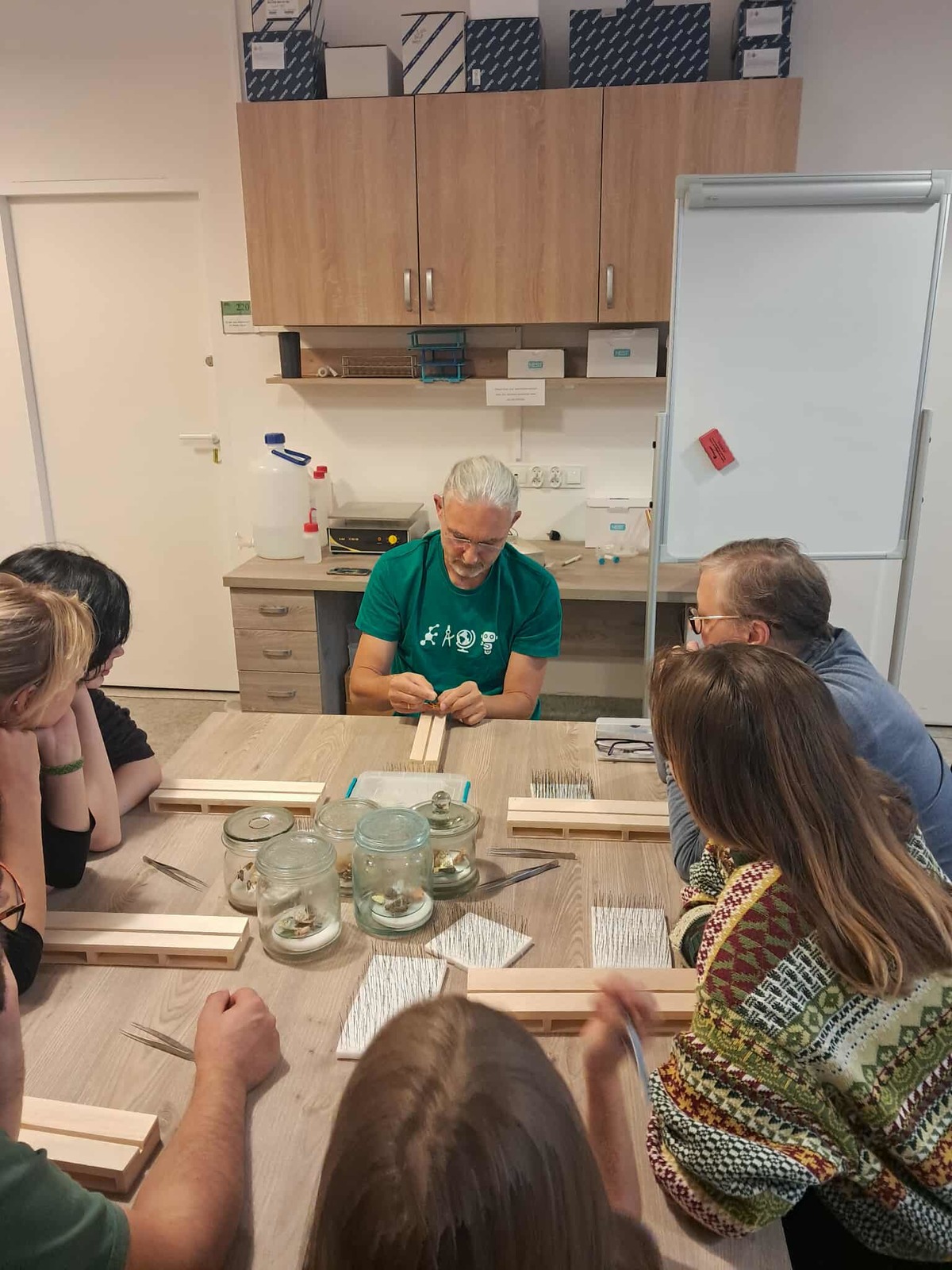
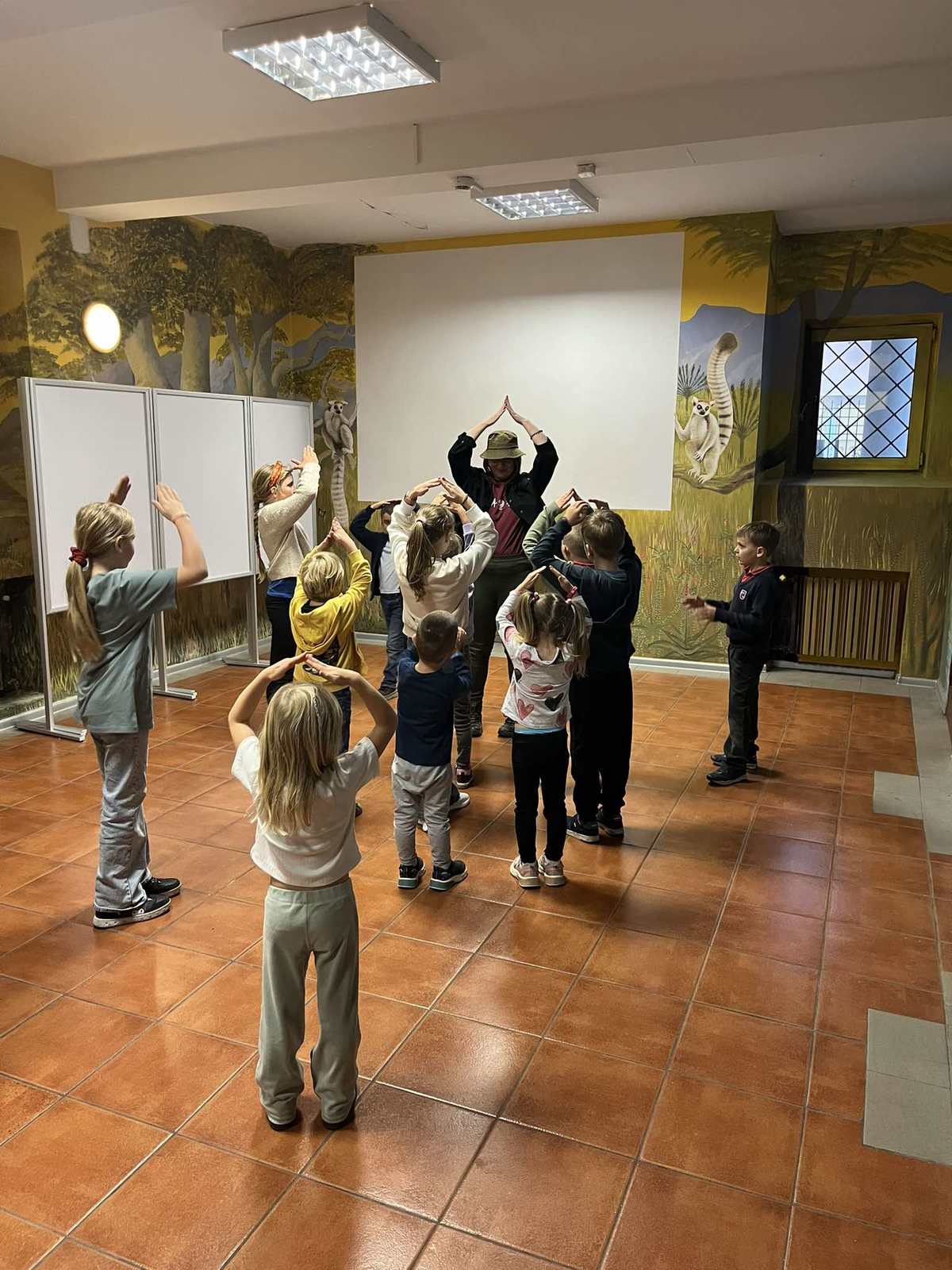
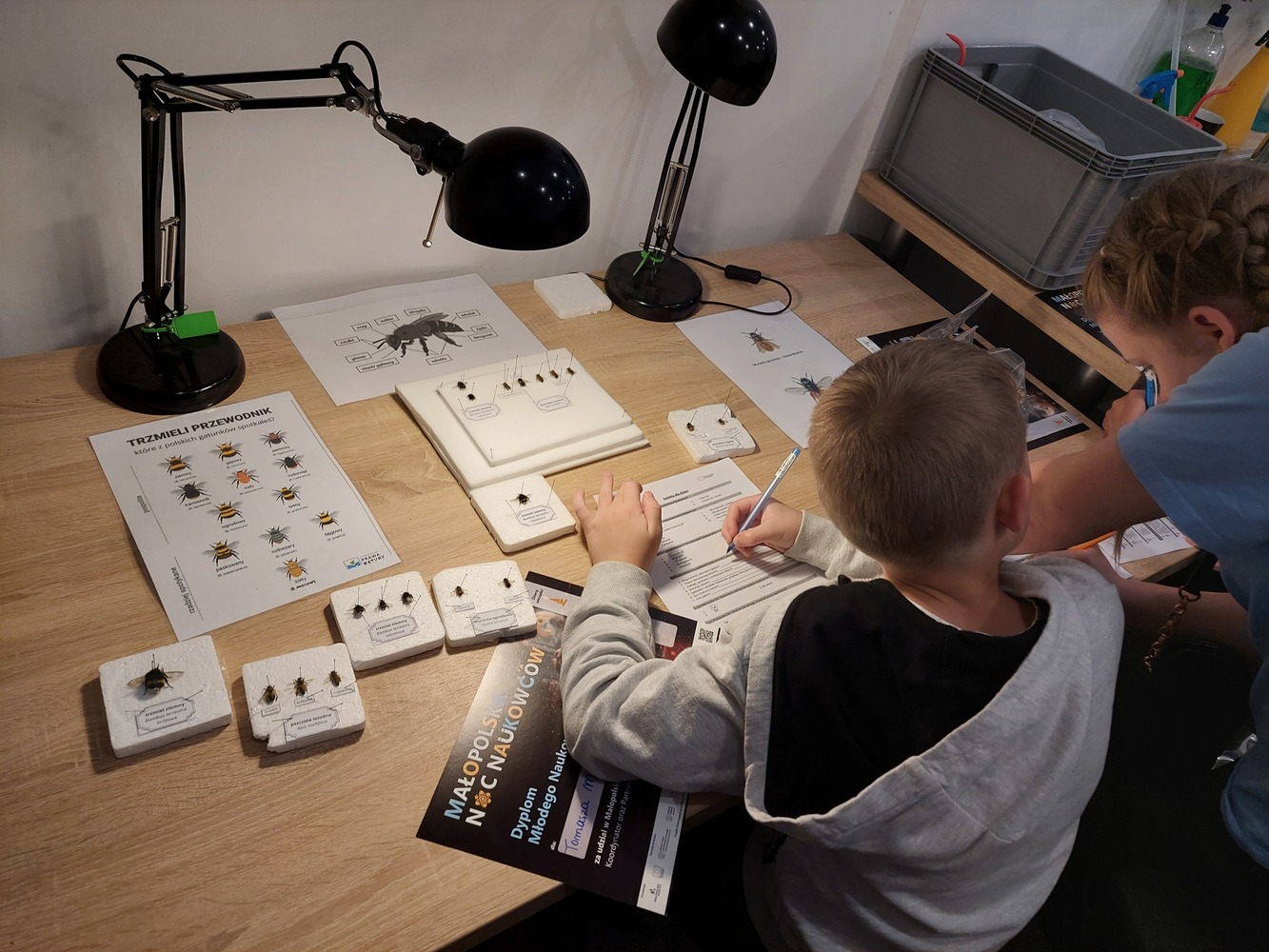
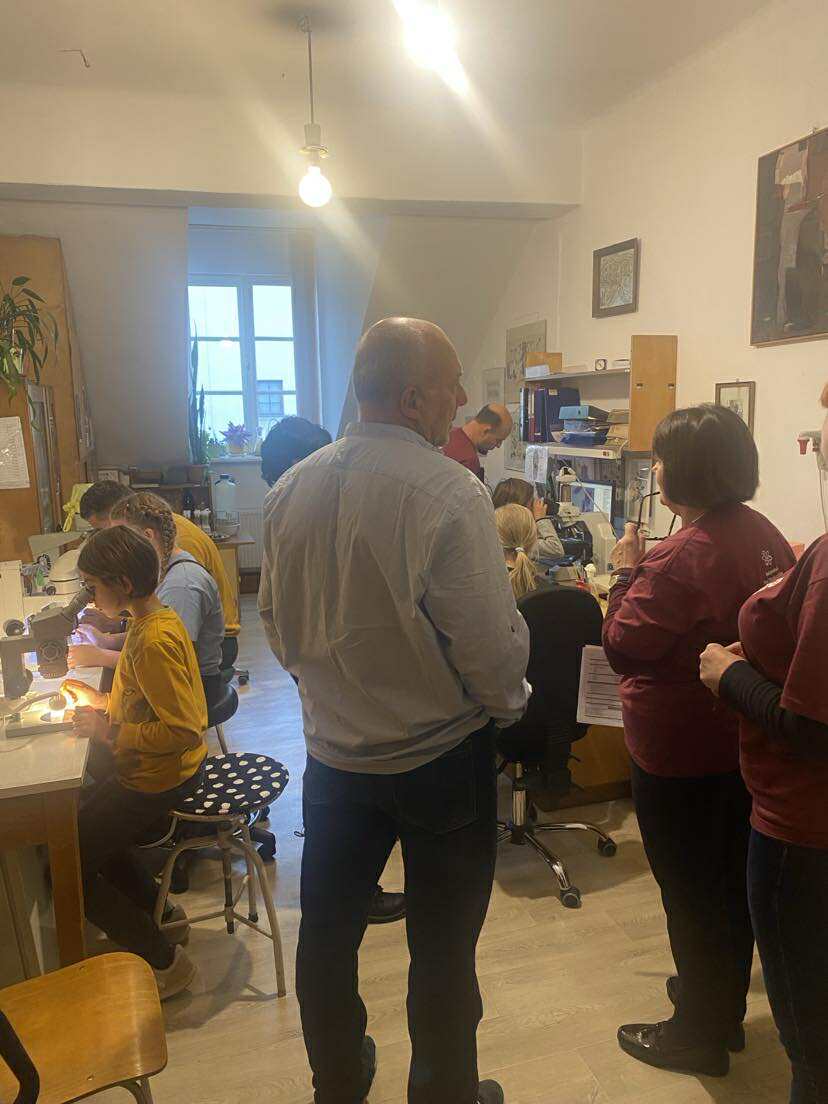
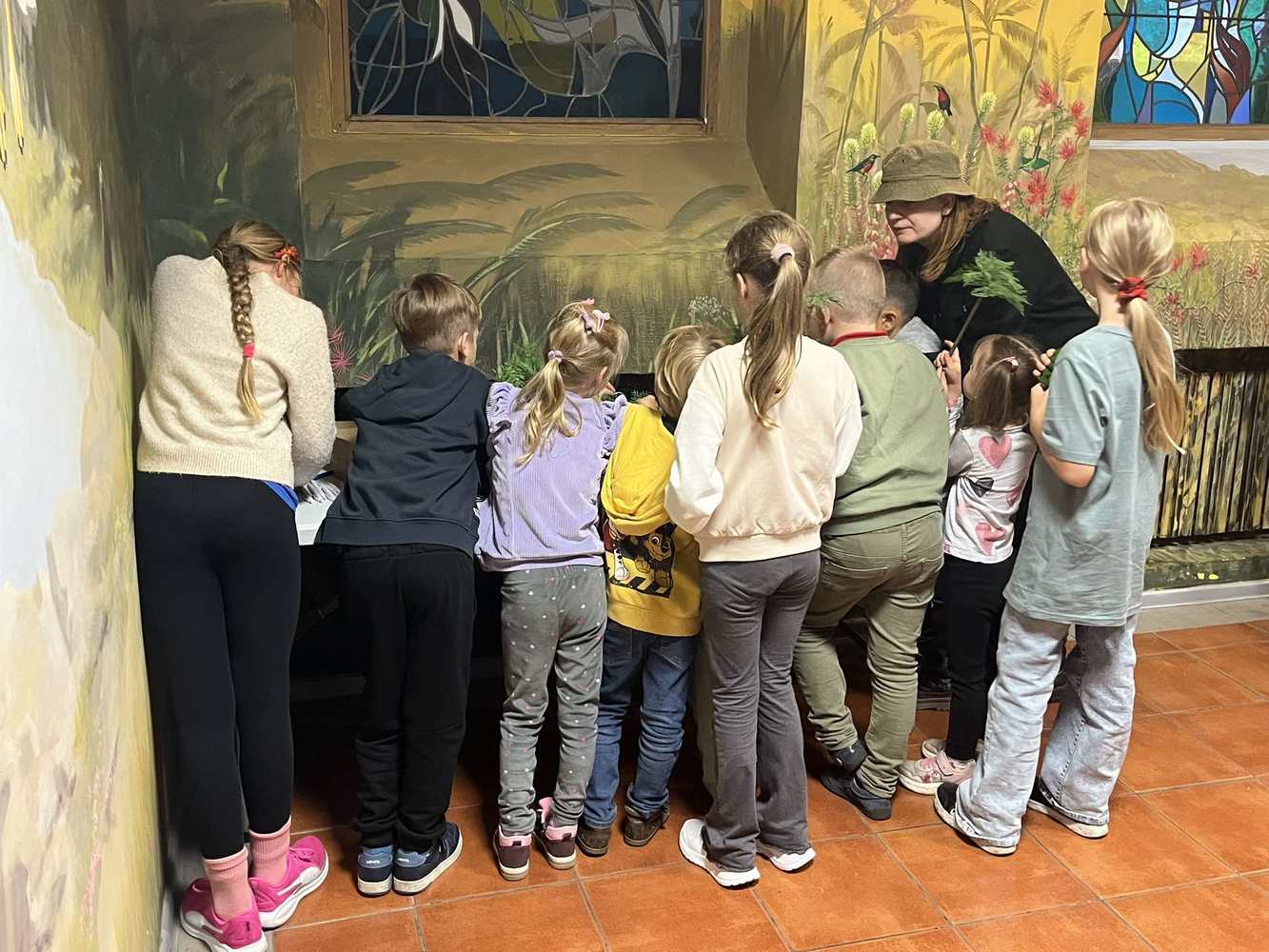
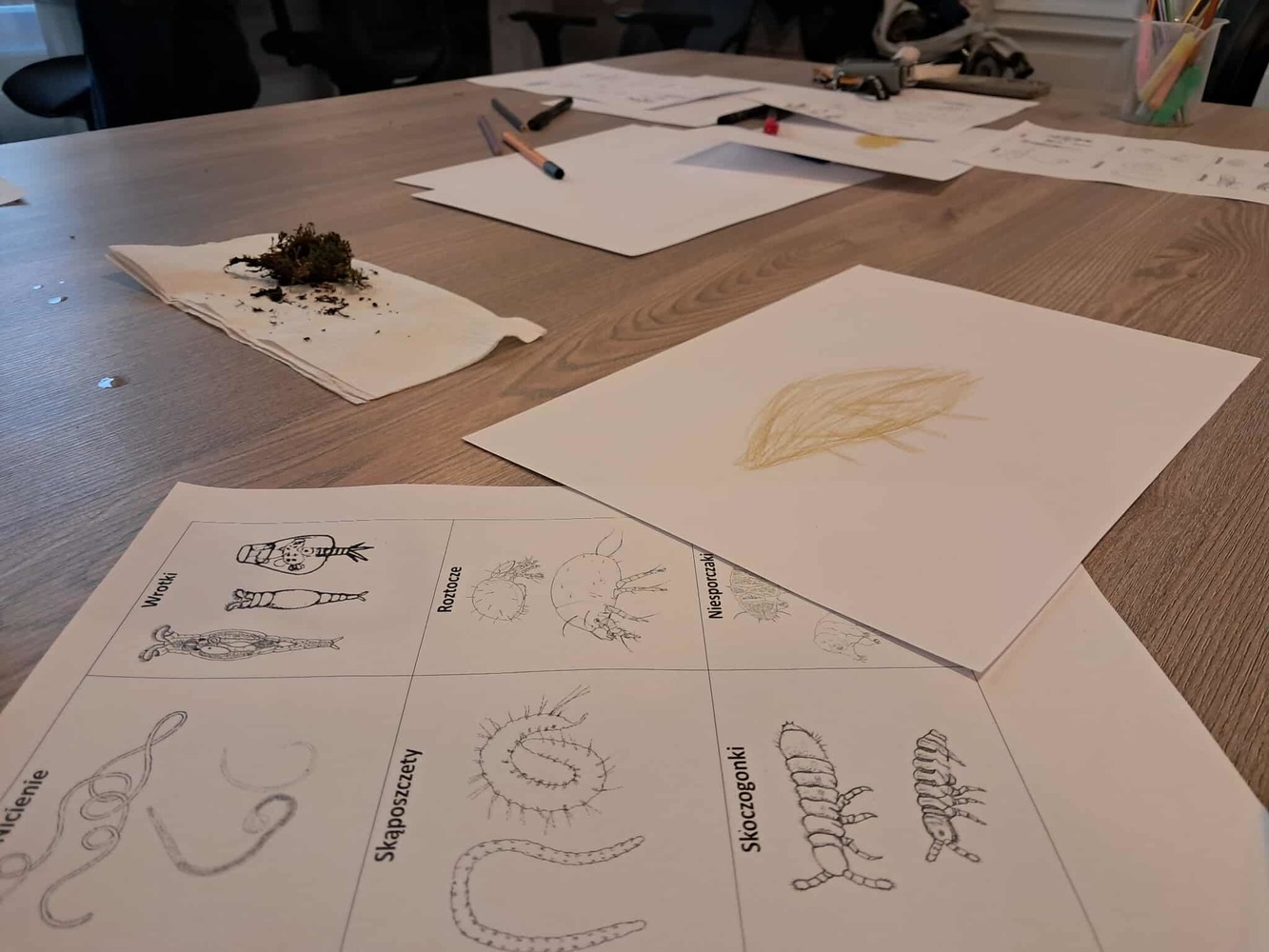
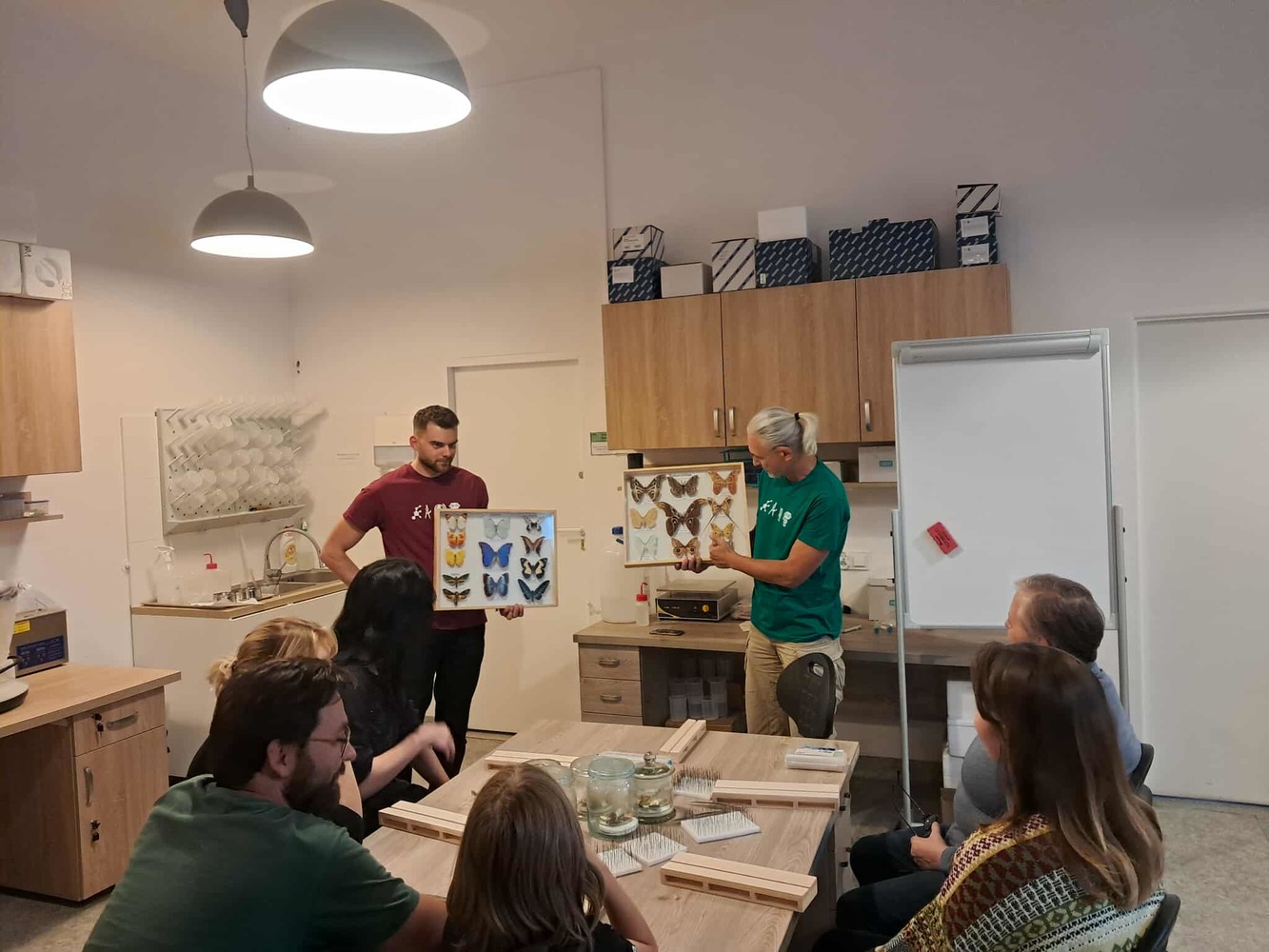
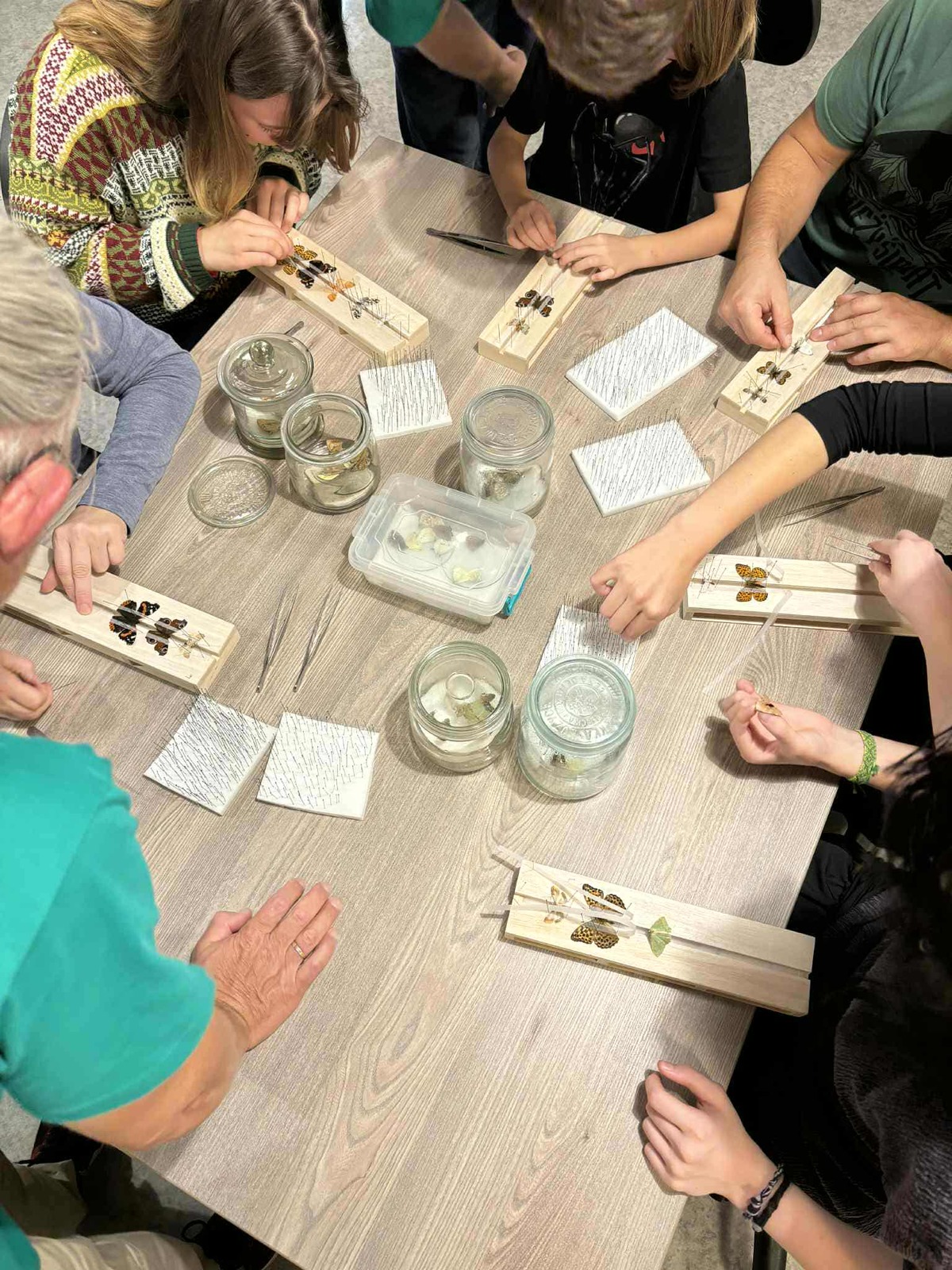
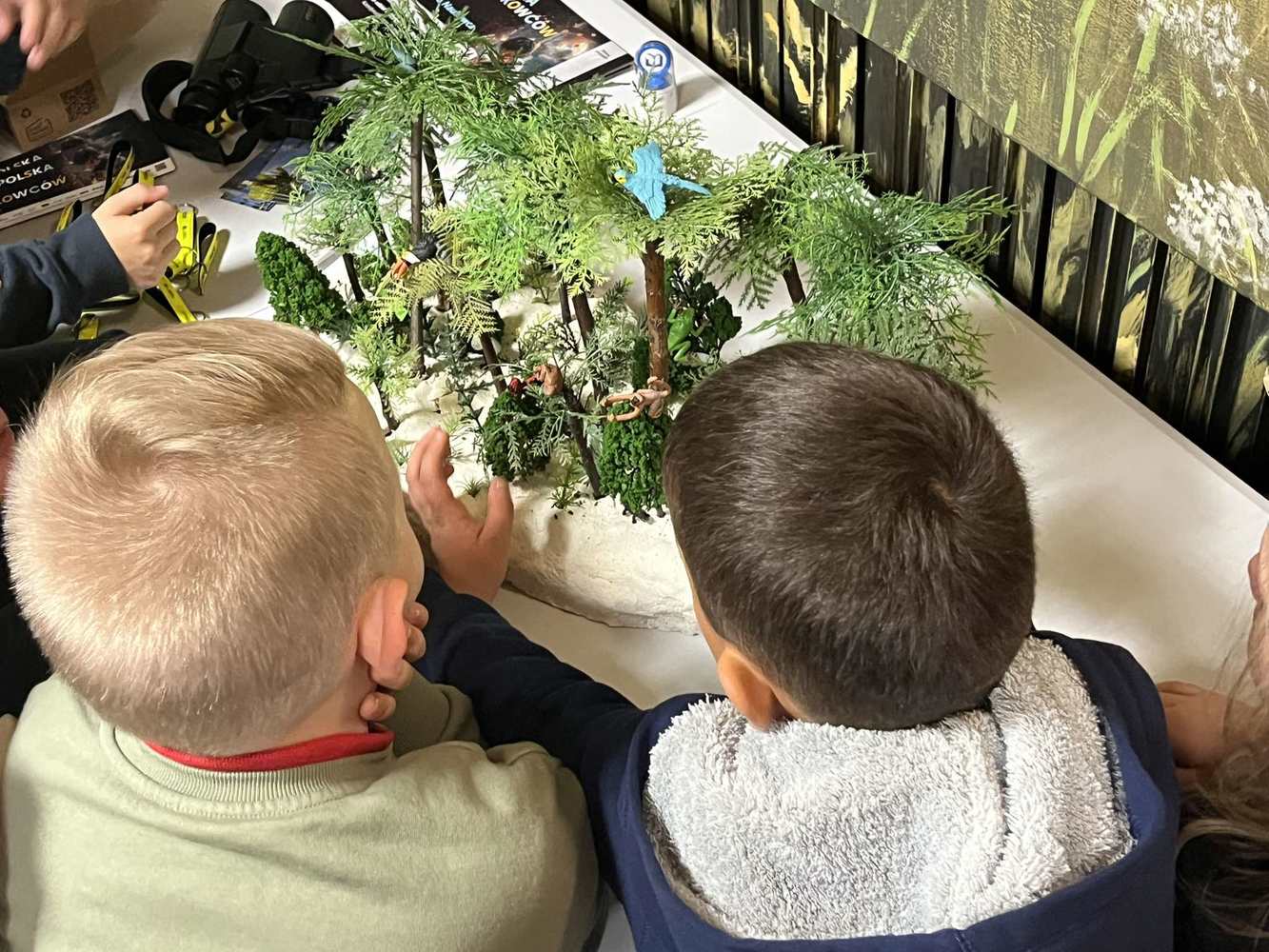
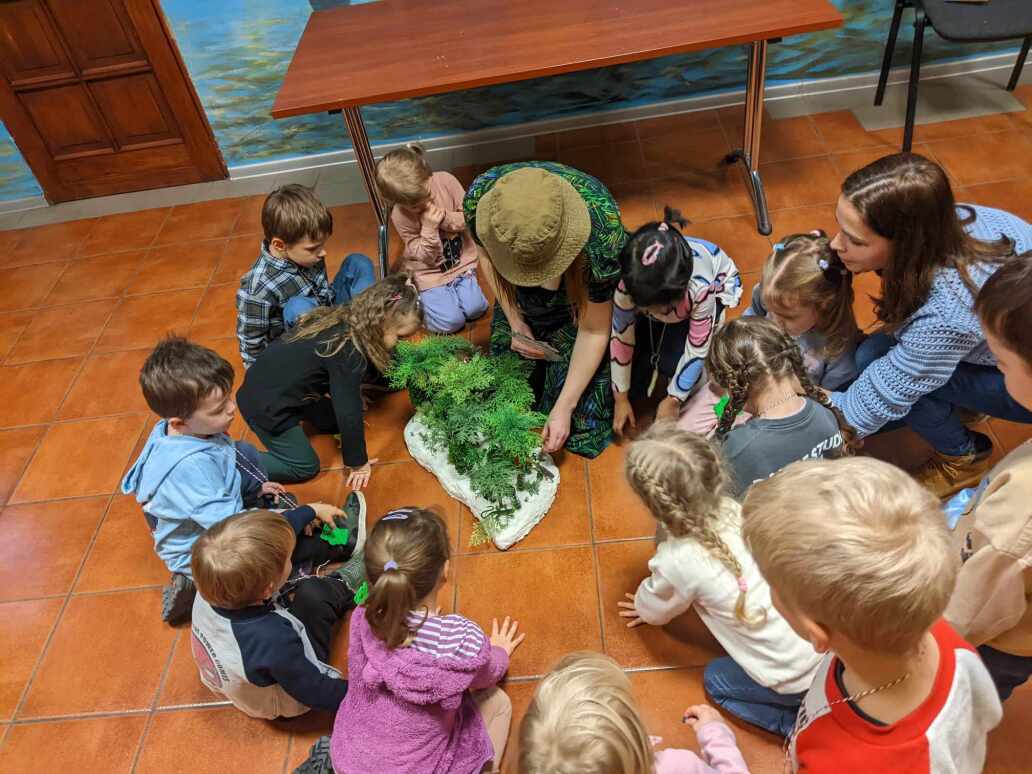
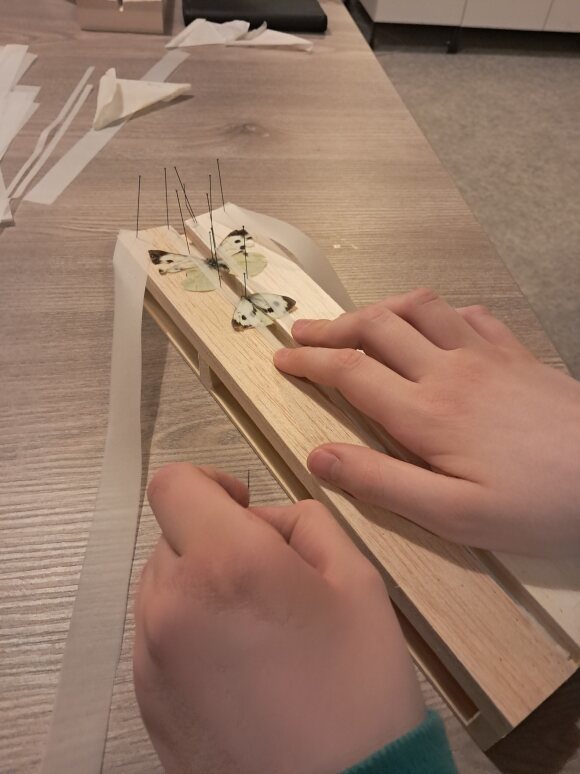
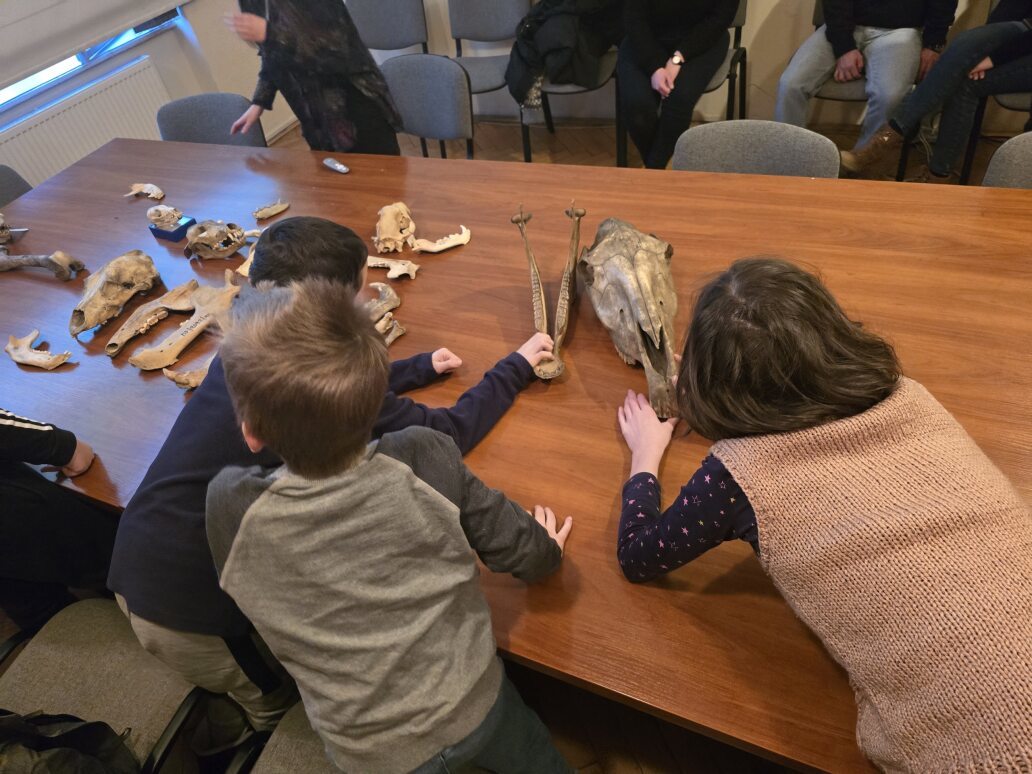
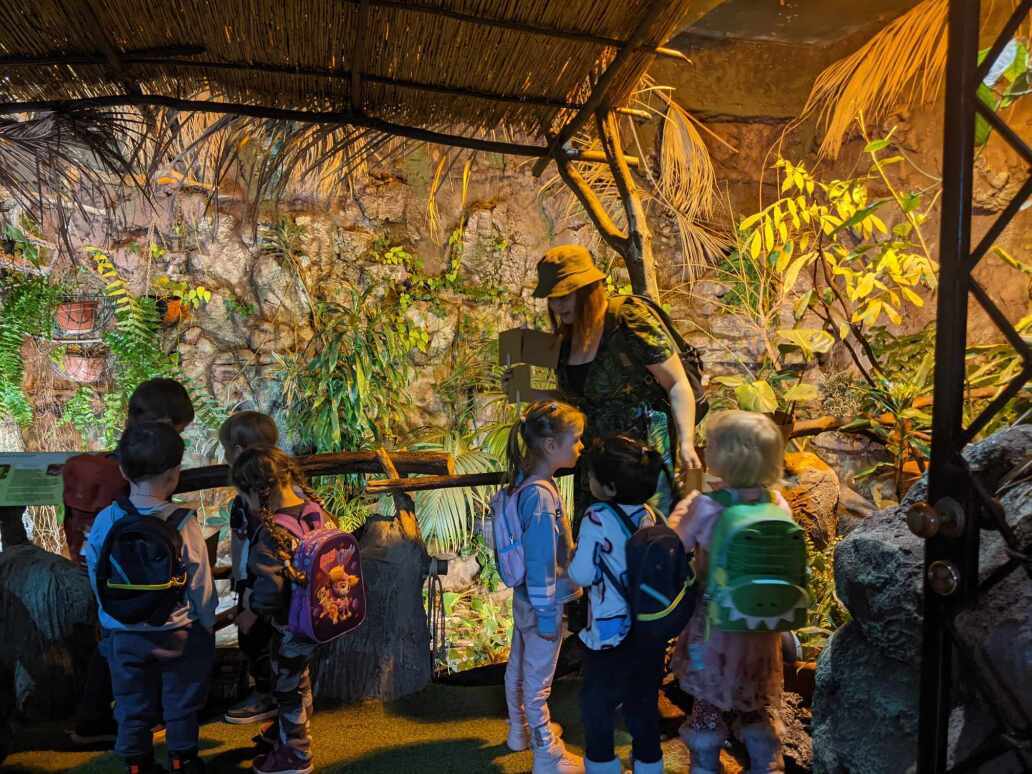
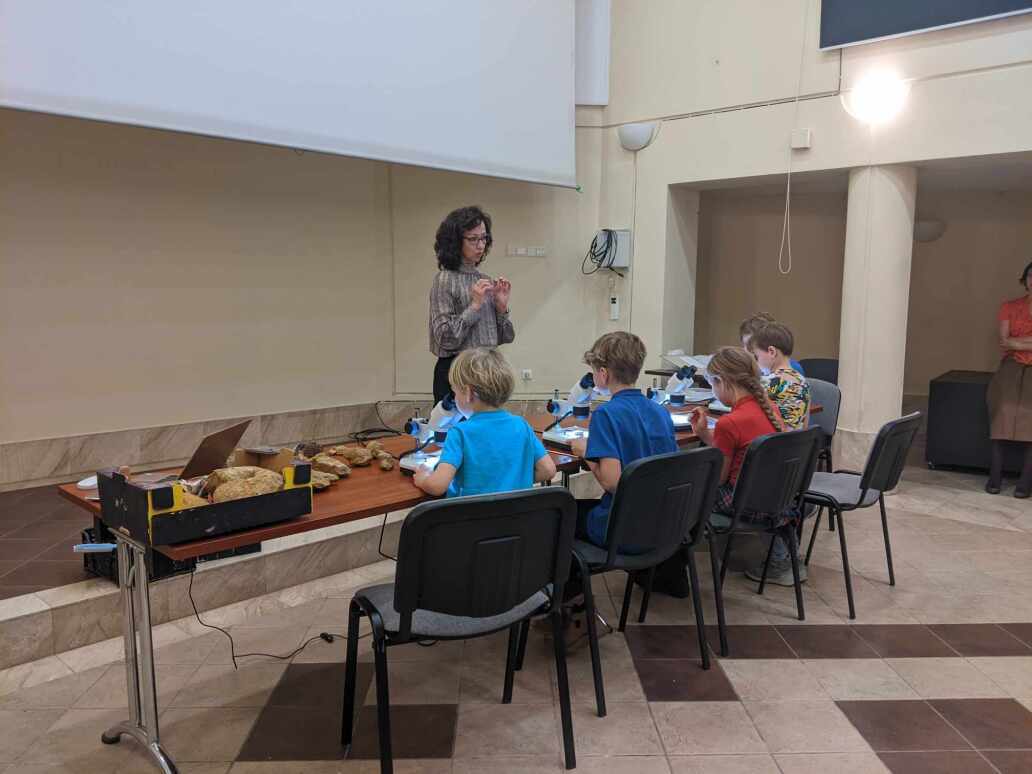
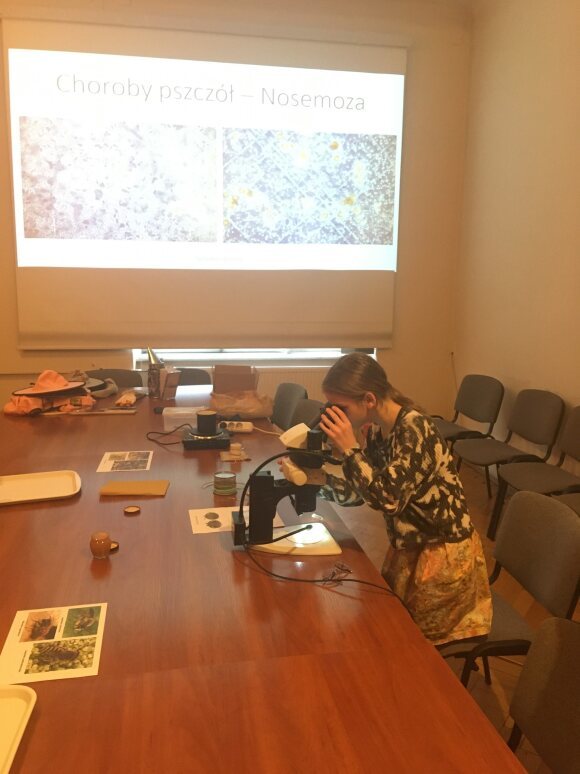
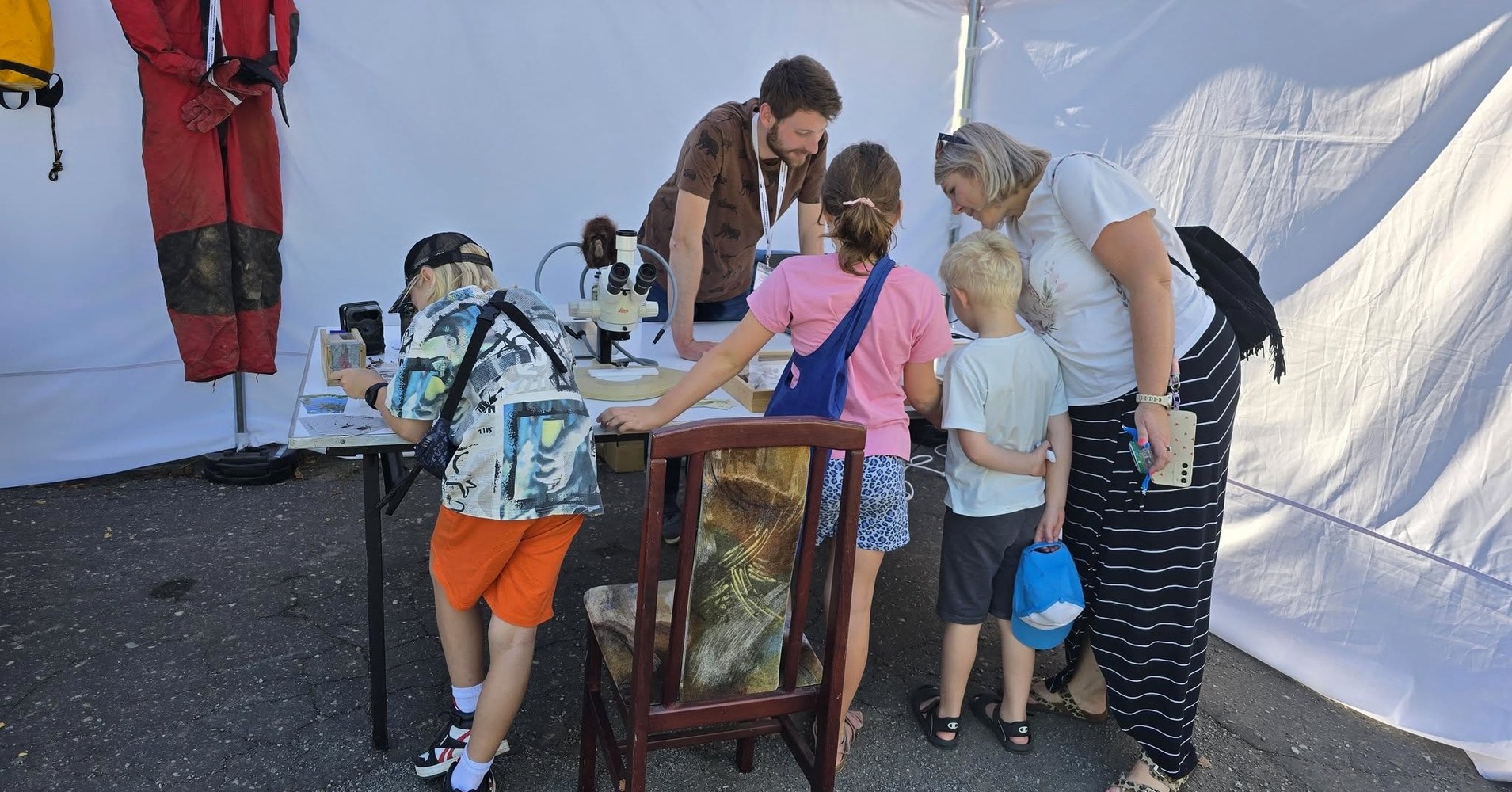
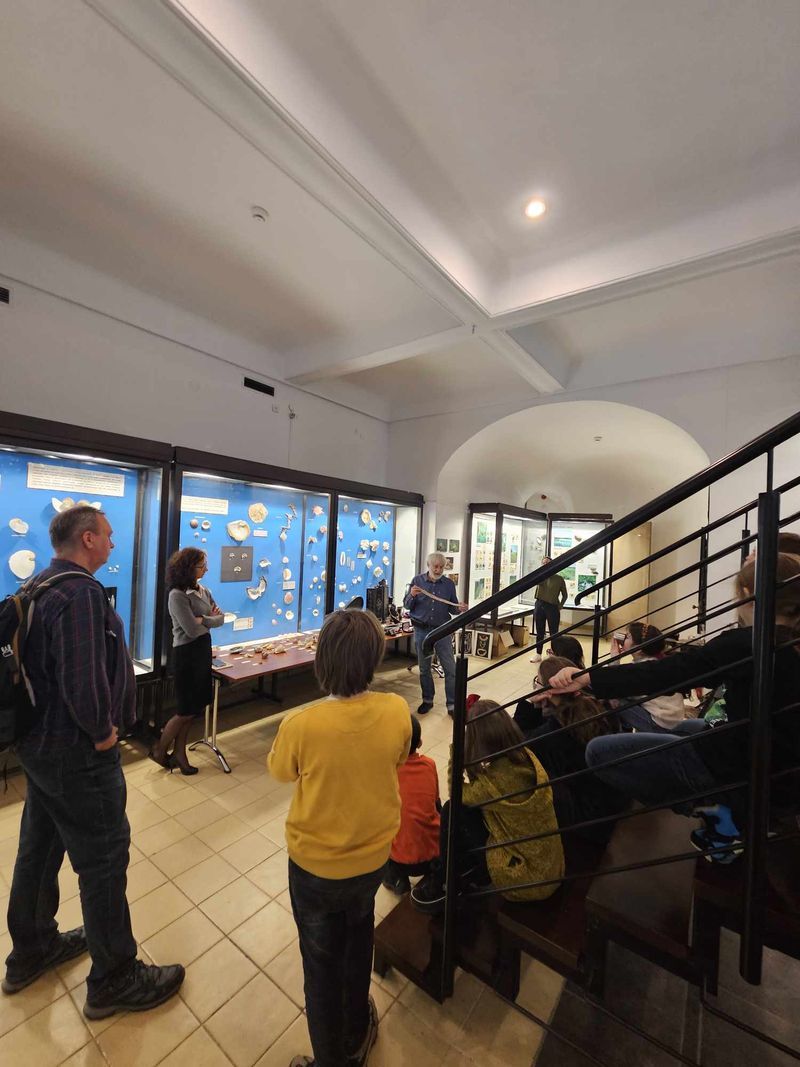
The Natural History Museum ISEA PAS offers engaging educational workshops for organized groups and individual participants, aimed primarily at children and school-age youth. The sessions last approximately 60 minutes and combine learning with fun, as well as hands-on interaction with authentic museum exhibits.
The workshop program covers a variety of topics related to the history of life on Earth, modern ecosystems, and biodiversity. Participants will learn about, among other things, prehistoric animals, the process of fossil formation, the mysteries of the aquatic world, and the basics of research work. The sessions are interactive and involve hands-on activities, observations, and simple experiments, fostering curiosity about the world and critical thinking.
A detailed program is available in the PDF file Workshop offer
Workshops are conducted in Polish and—in select cases—in English (marked with a flag).
Services and Partnerships
Room Rentals/ Venue Rentals
We invite you to organize training sessions, conferences, and workshops in the unique spaces of the Natural History Museum of the Institute of Systematics and Evolution of Animals, Polish Academy of Sciences. Two rooms are available, designed to meet a variety of organizers’ needs.
The audiovisual room is ideal for lectures, presentations, and conferences. It can accommodate up to 50 people in a theater-style layout or up to 30 people in a workshop-style layout.
The workshop room (intimate) is a space designed for smaller meetings and group work, with seating for up to 25 people and kitchen facilities.
It is also possible to use parts of the exhibition spaces for the event—the scope is agreed upon individually.
Both rooms are equipped with multimedia projectors and accessories (screen, pointer), Wi-Fi is available, and the facility is accessible to people with disabilities.
For more information, please contact us at:
We would be happy to prepare a proposal tailored to your needs.
Partnerships
The Natural History Museum ISEA PAS invites external entities to collaborate in the areas of education, research, and public outreach. We are open to joint projects, events, workshops, and initiatives that promote natural history knowledge and scientific heritage. We invite interested institutions, organizations, and companies to contact us to discuss possible forms of collaboration.